
Key Takeaways:
- Recognizing anger issues early helps you intervene constructively and prevent escalation.
- Empathy, active listening, and healthy boundaries are fundamental tools for effective support.
- Encouraging stress-relief strategies and professional help can empower your loved one to manage their anger.
- Your mental health matters just as much. Prioritize self-care and seek support when needed.
Supporting someone you care about who struggles with anger can be emotionally complex and, at times, overwhelming. Far from being a simple matter of “calming them down,” helping a loved one means taking thoughtful, proactive steps to foster a healthier environment for both of you. While every situation and relationship is unique, equipping yourself with strategies, empathy, and realistic expectations is essential. If you’re looking to learn more about practical steps, many online anger management courses offer structured approaches that can supplement your efforts at home.
Emotional support and awareness on your part can make a remarkable difference in your loved one’s journey toward self-improvement. But it’s equally important to balance their needs with your own well-being. By understanding what drives anger, learning communication techniques, and exploring resources, you’ll be better prepared to support them and yourself effectively.
Recognize The Signs Of Anger Issues
Identifying the early signs of anger issues is crucial for providing meaningful support. Anger manifests in more than just loud words or outbursts. You might notice increasingly frequent irritability, explosive reactions to minor frustrations, or even withdrawal and stonewalling. Sometimes, anger takes physical forms such as clenched fists, pacing, or destructive behavior.
Recognizing these patterns doesn’t mean enabling or excusing inappropriate actions. Rather, it allows you to step in before things spiral out of control and opens a door to more compassionate communication. Understanding the difference between ordinary frustration and problematic anger is the first actionable step in your role as a supportive presence.
Practice Active Listening
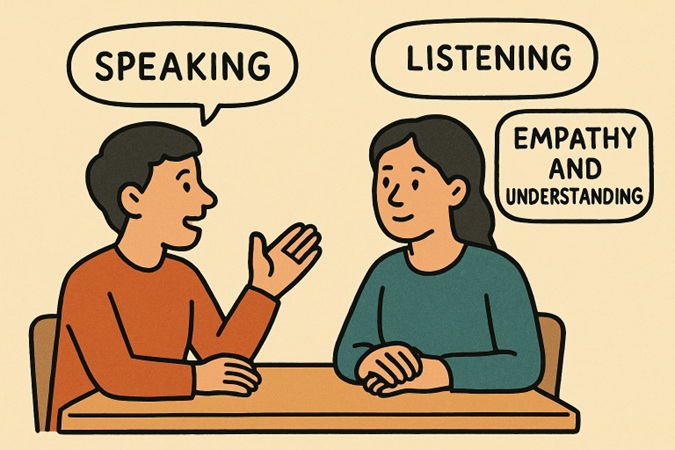
Active listening isn’t just about hearing, it’s about presence, patience, and engagement. When a loved one struggles with anger, they often feel misunderstood or invalidated. Avoid the temptation to offer immediate solutions or judgments. Instead, ask open-ended questions like, “What’s making things feel so overwhelming today?” Give them space to answer, and use nonverbal cues such as good eye contact and gentle nods to show you’re invested.
Validate their emotions without amplifying negative responses. Simple acknowledgments, “I can see why that would be upsetting,” show empathy while maintaining a calm environment. For more on healthy communication, consider reading this Healthline article on controlling anger for further insights into this delicate subject.
Encourage Healthy Coping Mechanisms
Many people with anger issues have never been taught positive outlets for their emotions. Your encouragement can play a pivotal role in shifting their habits. Recommend regular exercise, which has been proven to reduce cortisol and boost mood. Introducing activities that promote relaxation, such as meditation, journaling, or creative arts, can also be transformative. Small, consistent actions often yield the most meaningful progress.
If your loved one seems receptive, suggest mindfulness techniques, deep breathing, or yoga. There are also mobile apps and videos available for guided sessions, making it easier than ever to try new routines together.
Set Clear Boundaries
While being patient is key, you should never tolerate abusive or harmful behavior. Establishing and clearly communicating boundaries is not only healthy but necessary. Calmly inform your loved one of what behaviors are unacceptable and explain the consequences if those boundaries are crossed. For example: “I’m here for you, but I need you to speak respectfully, even when you’re upset.”
Boundary-setting protects your sense of security and signals to your loved one that their actions affect others. According to Verywell Mind’s guide to anger management strategies, consistent boundaries encourage accountability and healthier responses.
Seek Professional Help
Knowing when to involve a professional is essential. If anger issues persist or increase in severity, or if there are risks of harm, it’s time to suggest seeking therapy, counseling, or support groups. Mental health professionals have the expertise to address underlying causes and can guide both you and your loved one towards more sustainable solutions. You might frame your suggestion as: “A therapist can give you tools I simply don’t have. Would you be willing to give it a try?”
Support groups, both in-person and virtual, create a sense of community and remind your loved one they aren’t alone in their struggle.
Be Patient & Supportive
Dealing with anger issues is rarely a quick fix. Progress may come in waves, with setbacks along the way. Celebrate even small steps forward, and recognize when your loved one strives to manage their reactions, even if they aren’t always successful. Your consistent encouragement can help foster long-term change and resilience.
Keep your expectations realistic; meaningful change often takes months, not days or weeks. Your willingness to adapt, learn, and forgive will have a lasting impact on your relationship and their growth.
Take Care Of Yourself
Supporting someone coping with anger can be exhausting and, at times, emotionally draining. Make a conscious effort to attend to your own needs. Stay connected with your support system, engage in hobbies or activities that recharge you, and consider professional counseling for yourself if you start feeling overwhelmed. Remember, self-care isn’t selfish; it’s necessary for you to remain an effective source of support.
When you need advice or emotional support, reach out to friends, family, or caregiver communities. Prioritizing your own health ensures you can show up for others when it matters most.
Conclusion
Supporting someone with anger issues starts with empathy, expands through boundary-setting and communication, and often requires external help. By recognizing issues early, practicing active listening, promoting healthier coping strategies, and looking after your own well-being, you put both yourself and your loved one in a better position for lasting change. No one can do it all alone don’t hesitate to take advantage of courses, therapy, and resources along the way. Together, step by step, improvement is possible.