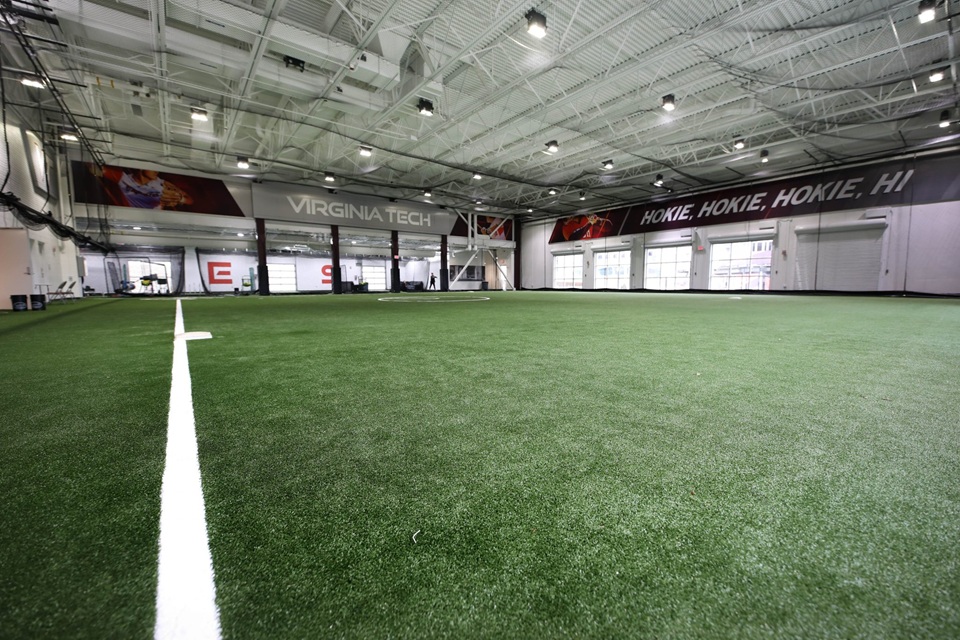
Artificial turf has revolutionized the design and maintenance of sports fields, offering a robust alternative to natural grass that withstands varying climates and frequent use. As more athletic programs, schools, and municipalities consider planning for a turf field, there is a growing focus on ensuring these surfaces not only deliver improved playability but also safeguard athlete health.
Their consistent footing and durability drive the proliferation of artificial turf fields. Yet, despite their surface advantages, concerns persist about the risks related to athlete safety and how these synthetic systems affect game performance. Stakeholders weighing the benefits and potential trade-offs must look to research and emerging standards to make the best decisions for their organizations and athletes.
With developments in materials and a shifting regulatory environment, it’s crucial for those planning or managing synthetic fields to be aware not only of the benefits but also of the challenges inherent in artificial turf installations. This article explores these aspects in depth, supplying practical insights for sports administrators, coaches, and facility managers.
Whether at the community, collegiate, or professional level, the future of sports field surfaces hinges on balancing usability, cost, and—most importantly—player well-being. Understanding both scientific research and real-world experiences will help ensure that artificial turf fields meet the demands of modern sports while minimizing adverse outcomes.
Advantages Of Artificial Turf
The key drivers behind the adoption of artificial turf are grounded in its cost efficiency and high-performance attributes. Durability is perhaps its most significant advantage: synthetic fields can endure hundreds of hours of play annually without exhibiting the wear patterns or bare patches common to natural grass. This resilience is particularly valuable in regions with challenging climates or where sports seasons overlap.
Lower maintenance requirements further tilt the cost-benefit calculation in favor of artificial turf. Facility managers can effectively eliminate expenses related to watering, fertilizers, pesticides, and routine mowing. Over time, these savings can offset the higher upfront installation cost compared to natural turf.
Another notable benefit is increased field usage. Synthetic fields do not require the rest and regrowth periods necessary for grass to recover after games or adverse weather events. This means that schools, clubs, or municipalities can maximize field scheduling, hosting more practices, games, and events without risking surface degradation.
Finally, uniform surface characteristics across the entire field contribute to more predictable ball roll and player movement, factors that improve fairness and overall game quality for competitive athletes.
Safety Concerns & Injury Risks
The debate about the safety of artificial turf is ongoing, with injury data at the heart of the matter. Several studies have noted increased rates of knee and lower extremity injuries—particularly anterior cruciate ligament (ACL) tears and Achilles tendon ruptures—among athletes playing on synthetic turf. These injuries are attributed to factors such as reduced shock absorption, the field’s relative hardness, and greater friction that can ‘catch’ cleats more aggressively than natural grass.
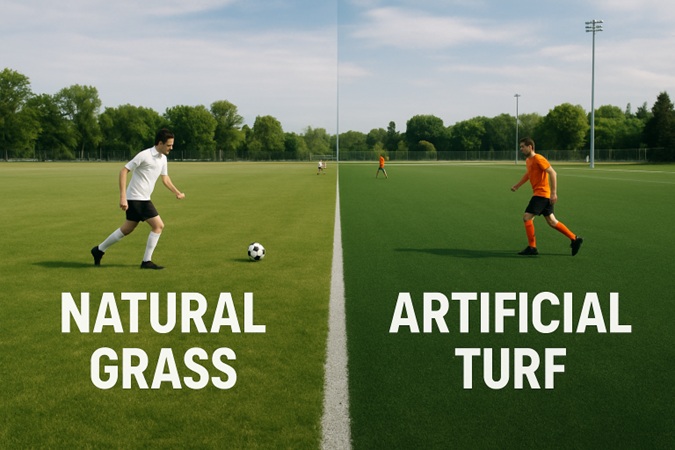
Concussion risk is a related area of concern. While both natural and artificial surfaces can pose risks if too compacted, artificial turf can harden over time, especially if maintenance is insufficient. This can elevate the risk of head injuries upon impact, underscoring the need for routine G-max shock absorption testing, as advocated by leading sports medicine organizations and highlighted by the CDC’s HEADS UP initiative.
Continuous monitoring of field conditions and adherence to protocols for player safety are critical steps for mitigating these risks. Stakeholder education regarding appropriate footwear and regular inspection of the field surface can also help limit injury potential and prolong the field’s lifespan.
Maintenance & Field Performance
Artificial turf systems do not offer a maintenance-free panacea. Optimal field performance and athlete safety depend on a rigorous maintenance schedule addressing both surface and subsurface conditions. Routine tasks include brushing to redistribute infill, monitoring fiber wear, and decompacting infill layers—all vital for preserving the turf’s shock-absorbing properties and playability.
Regularly scheduled G-max testing measures the field’s ability to absorb impacts, a crucial factor in reducing concussion risk. Facility managers must also be vigilant for localized settling, infill migration, or drainage issues, as each can negatively impact the consistency and safety of play.
Commitment to these best practices is not only recommended but also increasingly codified in local and national standards, ensuring that artificial turf fields deliver safe and consistent performance throughout their synthetic lifespan.
Environmental & Health Considerations
As artificial turf fields proliferate, concerns about their environmental impact also grow. The surfaces are notorious for retaining heat, with mid-summer field temperatures soaring well above those of natural grass, posing risks for heat stress and related illnesses among athletes. Creative solutions, such as applying lighter-colored infill or incorporating shade structures, are being explored to address this issue.
Chemical exposure, particularly from crumb rubber infill recycled from tires, has been the focal point of community and parental concerns. Extensive reviews by federal agencies and health authorities—including the EPA and CDC—have found no definitive evidence linking artificial turf to increased cancer or other health risks in athletes. Nonetheless, ongoing research and careful material selection are recommended to assuage lingering public apprehension and ensure user health.
Some programs are experimenting with alternative infill materials, such as natural cork or coconut husks, which may reduce both chemical exposure risks and surface temperatures, potentially improving sustainability over the field’s lifecycle.
Recent Developments & Regulations
Responding to calls for enhanced player safety, sports governing bodies continue to refine standards for artificial turf. One significant recent initiative is the NFL’s decision to require all stadiums to meet rigorous new field-safety specifications by 2028—a move that will impact both synthetic and natural surfaces. The league is also promoting data-driven decision-making based on injury tracking and field performance analytics.
At the technological frontier, manufacturers are introducing next-generation turf systems with enhanced yarn compositions and infill blends designed to replicate the biomechanical properties of natural grass more accurately. Collaborations between material scientists, sports organizations, and manufacturers are poised to deliver safer, more sustainable fields in the decade ahead.
Conclusion
Artificial turf stands out for its durability, lower maintenance requirements, and increased usability, enabling sports facilities to enhance programming and extend field access throughout the year. Yet, these gains must be weighed against legitimate concerns about athlete safety, environmental impact, and ongoing upkeep needs. By staying informed about the latest research, best practices, and regulations, field operators and decision makers can effectively balance performance and protection, ensuring artificial turf fields serve their communities well both now and in the years to come.