
Key Takeaways:
- Regular equipment inspection and certification are crucial for ensuring workplace safety and compliance with regulations.
- Proactive inspection programs help prevent accidents, extend the lifespan of machinery, and enhance productivity.
- Technological advancements are transforming how organizations manage inspection and certification processes.
- Staying updated on regulations and best practices is essential for consistent and effective safety programs.
Understanding Equipment Inspection & Certification
Ensuring a safe workplace begins with thorough maintenance and careful oversight of all equipment used in daily operations. Lift inspection and certification involves systematically evaluating lifts, machinery, and safety devices to verify their operational integrity and compliance with recognized standards and legal requirements. Certification provides formal assurance that equipment is safe and fit for use, thereby reducing risks in high-stakes environments such as construction, manufacturing, and industrial settings.
Implementing regular inspection schedules not only ensures regulatory compliance but also fosters a culture of safety and professionalism. Beyond minimizing legal liability, these practices protect employees from injuries, reduce costly downtime, and enhance workforce morale and stakeholder trust, reinforcing a company’s commitment to safety and operational excellence.
Knowing what to inspect, how often, and who should perform these checks is integral to a successful program. Companies must strike a balance between frequency and thoroughness to ensure that routine evaluations catch early warning signs of mechanical fatigue, malfunction, or regulatory noncompliance.
Legal Requirements & Compliance
Global and regional safety bodies, such as the Occupational Safety and Health Administration (OSHA), make equipment inspections a statutory requirement. These inspections are mandatory for items like lifting machinery, electrical systems, and pressure vessels. Neglecting inspections can result in severe penalties, lawsuits, or business shutdowns. Upholding these legal responsibilities is integral beyond financial consequences: it is about maintaining a consistently secure environment for every employee.
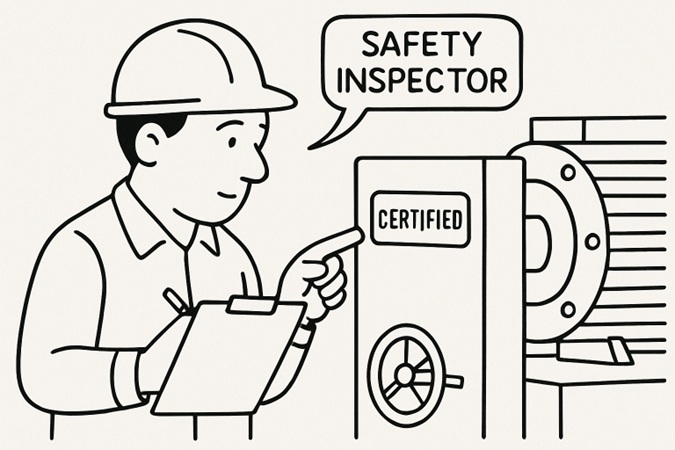
For a deeper dive into equipment compliance regulations enforced across industries, refer to OSHA’s regulatory resources. Regular inspection routines instill a safety-first mindset throughout organizations, ensuring team members are vigilant and well-informed.
Benefits Of Regular Equipment Inspections
- Preventing Accidents: Inspections pinpoint potential failures, reducing risk and preventing workplace incidents before they occur. Regularly checking items such as safety harnesses, forklifts, and electrical panels is proven to help curb familiar sources of industrial accidents.
- Ensuring Equipment Longevity: Routine maintenance and early issue detection minimize the frequency and severity of breakdowns, thereby extending the lifespan of expensive machinery and optimizing the total cost of ownership.
- Enhancing Productivity: Up-to-date equipment operates with fewer interruptions, resulting in smoother workflows, less downtime, and increased operational efficiency. Employees can trust their tools, resulting in greater job satisfaction and improved productivity.
Implementing Effective Inspection Programs
Creating a robust inspection protocol ensures no safety hazard is overlooked. Here are steps organizations can follow:
- Develop a Schedule: Tailor inspection intervals to the equipment’s usage rates, age, and manufacturer’s recommendations. Create a detailed calendar and track adherence to guarantee nothing slips through the cracks.
- Train Inspectors: Select qualified staff or utilize third-party professionals with the necessary expertise and credentials. Comprehensive training in standards and best practices ensures that assessments align with regulatory expectations.
- Document Findings: Use physical or digital logs to record the outcome of every inspection, ensuring transparency and accountability. Digital documentation tools are becoming increasingly popular due to their convenience and security.
- Follow Up: Promptly address any identified issues, whether mechanical, electrical, or procedural. Reinspect after repairs to verify the effectiveness of corrective actions, making ongoing improvement an embedded part of company culture.
Involvement at every organizational level is vital. Leadership buy-in, open employee communication, and continuous improvement keep programs resilient and effective. For a global perspective on why equipment maintenance matters in preventing workplace injury, see CDC’s insights on workplace safety culture.
Challenges In Equipment Inspection & Certification
- Resource Allocation: Large businesses often struggle to dedicate sufficient time and skilled personnel to examine complex equipment inventories across multiple sites thoroughly.
- Keeping Up with Regulations: As standards continually evolve, companies must stay current with updates to avoid noncompliance. Continuous training and expert consultation are necessary to avoid knowledge gaps.
- Ensuring Consistency: Variability in inspection practices across different teams can undermine program effectiveness. Uniform training and standardized protocols help maintain quality and reliability.
Technological Advancements In Inspection Processes
Inspection procedures have significantly benefited from recent technological developments. Near Field Communication (NFC) chips embedded in Personal Protective Equipment (PPE) and asset tags enable organizations to automate data collection and monitor compliance in real time. Cloud-based inspection platforms allow instant data sharing, analytics, and audit readiness, further enhancing safety oversight.
Vision language models and artificial intelligence now assist in analyzing imagery and documentation, quickly identifying deviations from safety norms that could have otherwise been missed. These solutions are not just convenient—they increase the frequency and quality of inspections, resulting in more proactive risk management strategies.
For further information on how industrial innovation is streamlining workplace safety and compliance, you can read more on Forbes.
Conclusion
Equipment inspection and certification should be viewed as an essential investment in both safety and operational excellence. Thorough and regular checks, rigorous documentation, and the adoption of emerging technologies empower organizations to safeguard their people and ensure uninterrupted productivity. By meeting legal obligations and embracing innovation, companies set the standard for safe and resilient workplaces.