
Key Takeaways:
- Call tracking analytics bridges the gap between online marketing efforts and offline phone conversions.
- It enables accurate attribution of phone calls to specific campaigns, channels, and keywords.
- Businesses gain clearer ROI insights and can optimize marketing spend based on real performance data.
- Call data reveals customer intent, common questions, and pain points that improve sales and support strategies.
- Integrating call tracking with CRM and analytics platforms delivers a complete, end-to-end view of the customer journey.
In today’s data-driven marketing landscape, measuring every step of the customer journey is essential for success. Online engagement data is readily available thanks to tools like Google Analytics, but offline conversions, such as phone calls, can easily become a blind spot for businesses. With call tracking software, organizations can finally bridge the gap between digital marketing and phone-based customer interactions.
Effective call-tracking analytics empowers businesses to see which marketing channels drive phone inquiries, enabling them to measure the true performance of multi-channel campaigns. This actionable insight can dramatically improve both marketing strategy and customer experience by providing clarity into how advertising drives direct conversations and conversions.
How Call Tracking Analytics Works
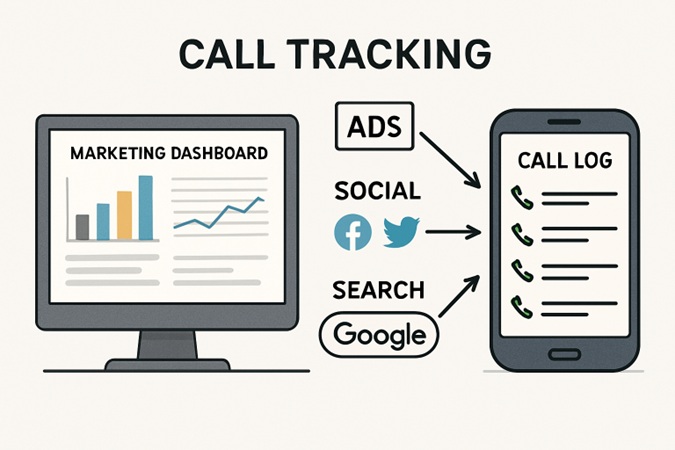
Call tracking analytics assigns unique phone numbers to each marketing channel, campaign, or piece of creative, allowing businesses to attribute incoming calls to their specific sources. When a customer dials one of these designated numbers, the system collects valuable data, including caller ID, call duration, and the original ad or website that drove the lead. For more advanced needs, some solutions can transcribe conversations and apply natural language processing to uncover trends and topics within calls.
By combining these smartphone numbers with website analytics, marketers can determine which keywords, ads, or landing pages motivate prospects to pick up the phone. This depth of attribution closes the loop on marketing ROI and gives companies a more complete view of what truly works in their customer acquisition strategy.
How Call Tracking Analytics Works
By combining these smartphone numbers with website analytics, marketers can determine which keywords, ads, or landing pages motivate prospects to pick up the phone. This depth of attribution closes the loop on marketing ROI and gives companies a more complete view of what truly works in their customer acquisition strategy.
Benefits Of Implementing Call Tracking Analytics
- Accurate ROI Measurement: Call tracking links offline phone conversations to their online marketing sources, allowing organizations to see which campaigns deliver actual sales calls and optimize spending.
- Enhanced Customer Insights: Analyzing data from phone inquiries helps businesses understand common pain points, customer questions, and market demand trends. This information can inform product development and improve customer support training.
- Optimized Marketing Strategies: By identifying which keywords, ads, or channels drive the highest quality leads, marketers can reallocate budget more effectively and refine messaging for future campaigns.
Key Features To Look For In Call Tracking Solutions
When assessing a call tracking platform, consider these critical features for the best return on investment:
- Dynamic Number Insertion (DNI): Dynamic Number Insertion automatically switches phone numbers based on each website visitor’s source. This method ensures that every call can be accurately attributed to the correct marketing channel, from PPC ads to social media links.
- Call Recording and Transcription: Secure call recording enables quality assurance, compliance audits, and team training. Transcription features provide further insights by enabling businesses to search and review conversation content for trends or missed sales opportunities.
- Integration Capabilities: The best solutions integrate directly with popular CRM systems, email marketing tools, and web analytics suites. This ensures all data flows into a unified dashboard and can be acted upon in real time.
Integrating Call Tracking With Digital Marketing Efforts
To truly maximize the value of call analytics, organizations should integrate call tracking data with their digital marketing and CRM platforms. By aligning call metadata with website analytics and conversion tracking, marketers gain holistic visibility into every step of the customer journey. For example, understanding which keywords drive calls enables smarter bidding strategies in search campaigns. Similarly, analyzing call transcripts alongside chat and email transcripts can uncover recurring customer needs.
Modern marketers need these cross-channel insights to build attribution models that accurately reflect all customer touchpoints. This leads to better decisions around creative messaging, audience targeting, and overall campaign planning.
Real-World Applications & Case Studies
A real-world example of effective call tracking comes from Esurance, which implemented Google’s click-to-call feature in its digital campaigns. As a result, the company saw a 200% year-over-year increase in mobile call volume and achieved a 30% reduction in cost per acquisition. Success stories like this showcase why integrating call tracking into a marketing strategy can have a direct and measurable impact on business outcomes.
Common Challenges & How To Overcome Them
While call tracking can be powerful, businesses may face challenges with data integration and customer privacy. It is important to select tools that comply with major privacy regulations and encrypt all communication data. Additionally, seamless integrations with other sales and marketing technologies are necessary to maintain accuracy and keep teams aligned. Investing in training and process documentation will help staff use call tracking data more efficiently for maximum benefit.
Final Thoughts
Call tracking analytics transforms traditionally unmeasured phone conversations into actionable marketing data. By understanding which campaigns prompt direct phone inquiries, marketers can make better budgeting decisions and provide more engaging customer journeys. Leveraging this technology leads to smarter marketing, a higher return on investment, and ultimately, increased customer satisfaction.