
Understanding The Psychological Barriers To Outreach
For many real estate agents, the path to consistent success is often blocked by an invisible barrier. We call it real estate call reluctance. This isn’t just a minor hurdle. It’s a significant challenge that impacts careers and income.
Studies show that many agents struggle to initiate contact, even when they know it’s crucial. For instance, a significant percentage of new agents fail in their first year, with reluctance to make calls a major contributing factor. Even seasoned professionals can see their sales decrease as a result. Proactive lead generation, the lifeblood of our industry, often gets sidestepped.
This extensive guide will explore the deep-seated psychological reasons behind this reluctance. We will examine how it manifests in daily work and how it hinders lead generation. More importantly, we will provide you with practical, actionable strategies to overcome the fear of outreach. We will also show you how to build robust, scalable conversion systems that drive consistent lead generation and sustainable growth for your modern real estate team.
At its core, call reluctance in real estate is a psychological phenomenon where agents experience fear or hesitation to initiate contact with prospects. This isn’t a sign of weakness, but a natural human response to anticipated discomfort. Often, it stems from a deep-seated fear of rejection, which can feel personal in a relationship-driven industry. This “telephobia,” as some describe it, is a genuine barrier.
Ego concerns play a significant role. Agents worry about bothering people, being judged, or appearing desperate. There’s an “invisible brake” at play, as one expert describes it, where the brain, an energy-conserving machine, anticipates stress from an undesirable task and seeks to avoid it. This psychological resistance can manifest as procrastination, over-preparation, or a general avoidance of the phone. Highly empathetic agents, while excellent at client relations, can sometimes be more prone to this, as they anticipate how prospects might feel about an unsolicited call. This social self-consciousness can become a double-edged sword, making them hesitant to reach out even when they know it’s necessary for their business.
Identifying Different Forms Of Call Reluctance
Call reluctance isn’t a monolithic problem; it presents in various forms, each with its own underlying triggers:
- Over-preparation/Paralysis by Analysis: Agents spend excessive time researching, scripting, or organizing, never actually making the call. This is often a subconscious tactic to delay or avoid actual contact.
- Image Concern: A fear of how they will be perceived by the prospect. Will they sound knowledgeable? Will they come across as pushy? This concern can lead to self-editing and hesitation.
- Referral Avoidance: Even with warm leads or referrals, some agents hesitate to call, fearing they might disappoint the referrer or damage a relationship if the call goes poorly.
- Procrastination: This is the most common manifestation, where agents find countless other tasks to do instead of picking up the phone. Scrolling social media, organizing files, or even flossing can become avoidance tactics.
- Role-Play Anxiety: Some agents find role-playing with peers just as anxiety-inducing as real calls, indicating a deep-seated discomfort with the act of selling or initiating contact.
- “Yielder” Behavior: This refers to agents who are too quick to accept a “no” or back down at the first sign of resistance, often due to a strong desire to be liked or to avoid conflict.
Recognizing these specific forms is the first step toward addressing them. It’s not about a lack of motivation, but often a lack of tools and awareness to navigate these emotional discomforts.
Designing Robust Real Estate Lead Conversion Systems
Overcoming call reluctance isn’t solely about individual mindset shifts; it’s also about building an environment that supports consistent outreach. This is where robust lead conversion systems become indispensable. By integrating technology and structured processes, we can minimize the psychological friction associated with prospecting.
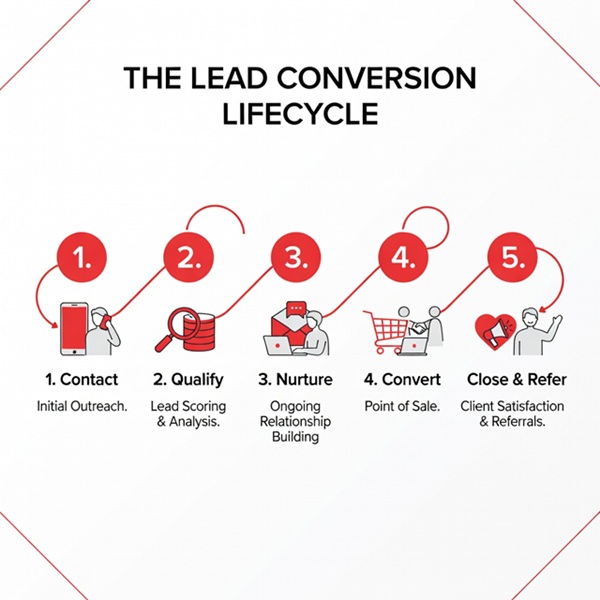
Central to this is effective CRM integration. A well-utilized Customer Relationship Management system is more than just a contact database; it’s the engine of your lead conversion. It allows for automated follow-up sequences, ensuring no lead falls through the cracks, and provides a clear history of interactions. Lead scoring helps agents prioritize their efforts, focusing on the warmest prospects and reducing the perceived “coldness” of calls. Comprehensive database management ensures that every contact, from past clients to new inquiries, is nurtured systematically, making future outreach feel less intrusive and more value-driven. These integrated systems are crucial for any modern real estate operation looking to enhance its overall efficiency and build effective business solutions.
Technology As A Foundation For Real Estate Lead Conversion Systems
Technology plays a transformative role in mitigating reluctance to make calls. When agents feel supported by reliable tools, the task of outreach becomes less daunting.
- Autodialers can reduce the “time-to-dial” hesitation, allowing agents to connect with more prospects in less time without the mental block of manually dialing each number.
- Data hygiene ensures agents are calling qualified leads, reducing dead-end calls, and increasing the likelihood of meaningful conversations. This combats the fear of “wasting time” or “bothering the wrong person.”
- Lead generation platforms provide targeted lists (e.g., expired listings, FSBOs, probate leads), which inherently have a higher intent to transact, making calls feel more purposeful and less like cold outreach.
- AI-driven nurturing can pre-qualify leads and provide valuable insights, giving agents a warmer starting point for conversations.
- Cloud-based communication and mobile accessibility mean agents can work from anywhere, maintaining consistency and flexibility in their outreach efforts.
These tools don’t replace the human element but empower it, making the process more efficient and less intimidating.
The Importance Of Scripts In Real Estate Lead Conversion Systems
While technology streamlines the process, what we say on the call is equally critical. Scripts are not meant to be read verbatim, but rather to provide a framework, building blocks for effective conversations. They instill muscle memory, so agents know how to navigate common scenarios without freezing.
Effective scripts also provide strategies for handling objections, turning potential roadblocks into opportunities for connection. This preparedness significantly boosts confidence, as agents feel equipped to handle unexpected questions or pushback. The F-O-R-D framework (Family, Occupation, Recreation, Dreams) can be integrated into scripts to facilitate genuine rapport-building, shifting the focus from a sales pitch to a human connection.
Active listening is paramount; scripts should guide agents to ask open-ended questions and truly hear the prospect’s needs, rather than just delivering information. This cultivates a service-based mindset, positioning the agent as a helpful resource rather than a pushy salesperson. Finally, clear value proposition clarity within scripts ensures that agents can articulate why they are calling and what unique benefits they offer, making the conversation purposeful and reducing the fear of perceived intrusion.
Tactical Habits To Obliterate Prospecting Fear
Overcoming call reluctance is an ongoing battle, not a one-time victory. It requires cultivating specific tactical habits and integrating them into our daily routines. Just as an athlete trains consistently, real estate professionals must condition themselves for consistent outreach.
Establishing daily routines is key. This includes dedicated “power hours” for prospecting, free from distractions. Pre-prospecting rituals can significantly impact mindset. This might involve listening to motivational music, a quick workout to boost energy, or a few minutes of role-playing with a colleague to warm up. The goal is to shift into an energetic, positive state before making calls.
A useful metric to track is “Time-to-Dial” (TTD), which measures how quickly an agent makes their first call after starting their prospecting block. Reducing TTD minimizes the window for procrastination. We can also leverage behavioral science by applying dopamine management. By deferring pleasurable activities (like checking social media or personal emails) until after calls are completed, we can create a powerful reward system for consistent action. These small wins, celebrated through reward systems, reinforce the positive habit. Implementing a morning success plan that includes these elements sets the tone for a productive day and ensures that foundational business practices are prioritized.
Reframing Rejection As A Performance Metric
One of the most potent ways to disarm the fear of rejection is to reframe it entirely. Instead of viewing a “no” as a personal failure, we can see it as a necessary step in the sales process and even a performance metric.
Activity tracking is vital here. By simply logging the number of calls made and the rejections received, we shift focus from the emotional impact to the quantifiable effort. Adopting a “next” mindset means quickly moving on from a rejection without dwelling on it. Each “no” brings us closer to a “yes.” Some top producers even set rejection targets, aiming for a certain number of “no’s” each day as proof of their activity. This approach helps in desensitization; the more we face rejection, the less power it holds over us.
Understanding conversion ratios is empowering. If we know that, on average, it takes 10-15 conversations to secure one qualified appointment (a common 1:10 appointment goal), then each rejection is simply a data point toward eventual success. It’s like Wayne Gretzky’s famous quote: “You miss 100% of the shots you don’t take.” Every call, even those ending in a “no,” is a shot taken. By focusing on these metrics and available advanced training resources, we can transform fear into a strategic pursuit of success.
Scaling Through Accountability & Leadership
For real estate teams, individual efforts to overcome call reluctance are amplified through collective accountability and strong leadership. Creating a supportive environment where agents feel safe to practice and push their boundaries is paramount.
Role-playing sessions are invaluable. When conducted regularly and constructively, they allow agents to practice scripts, handle objections, and build confidence in a low-stakes environment. Peer accountability can be a powerful motivator; when agents commit to daily call goals and share their progress with colleagues, they are more likely to follow through. This can be tracked through performance dashboards that visualize individual and team activity, fostering healthy competition and mutual support.
A culture of persistence starts from the top. Leaders who openly share their own struggles and strategies for consistent outreach inspire their teams. Continuous skill development programs focused on communication, negotiation, and lead-conversion techniques ensure agents are always growing. This holistic approach, reinforced by consistent coaching, has a significant impact on agent retention and overall team success.
Supporting Agents Struggling With Outreach
Leaders and coaches have a critical role in supporting agents who grapple with call reluctance. It’s not enough to simply tell them to “just pick up the phone.” A more nuanced approach is required:
- Diagnostic Assessments: Tools like the SPQ*GOLD®/FSA can pinpoint specific forms of call reluctance an agent is experiencing, allowing for targeted coaching rather than generic advice.
- Emotional Awareness: Helping agents understand the psychological roots of their reluctance—whether it’s fear of rejection, social self-consciousness, or a desire to be liked—is crucial.
- Leadership Modeling: Leaders who actively engage in prospecting and share their experiences, including rejections, normalize the process and demonstrate that it’s an inherent part of the job.
- Identifying Performance Blockers: Coaches can help agents identify the specific thoughts or behaviors that prevent them from making calls, and then work to reframe those patterns.
- Mental Fitness: Encouraging practices like mindfulness, positive affirmations, or journaling can build an agent’s mental resilience, making them less susceptible to the emotional toll of prospecting.
- Stress Management: Simple techniques like deep breathing, exercise, or a pre-call ritual can help manage the physical symptoms of anxiety before and during calls.
By providing this layered support, leaders can transform agents’ reluctance into confident, consistent action.
Measuring Success & Long-Term Career Benefits
The ultimate goal of overcoming call reluctance and implementing robust lead conversion systems is not just to make more calls, but to achieve sustainable success and long-term career fulfillment. When agents consistently engage in proactive outreach, the benefits are profound and measurable.
One of the most immediate impacts is income predictability. By understanding their conversion ratios and consistently hitting their call targets, agents can forecast their earnings with much greater accuracy. This predictability reduces financial stress and allows for strategic business planning. Over time, this consistent effort leads to significant market share growth, as agents become known for their proactive approach and ability to secure opportunities.
A well-managed database and consistent follow-up also lead to significant expansion of the referral network. Happy clients and nurtured prospects become advocates, generating warm leads that require less “cold” outreach. This organic growth further reduces call reluctance, creating a positive feedback loop. This translates into higher transaction volume and impressive GCI (Gross Commission Income) milestones, solidifying an agent’s position as a top performer. The long-term benefits extend beyond financial gains, fostering a sense of professional mastery, confidence, and genuine satisfaction in a career built on proactive engagement.
To explore comprehensive solutions and discover tailored offerings that can help your team achieve these benefits, visit our offerings page.
Frequently Asked Questions About Lead Conversion
What is the primary cause of call reluctance in real estate?
The primary cause of call reluctance is often a combination of factors, predominantly the fear of rejection and ego-driven anxiety. Agents worry about being perceived negatively, bothering prospects, or not knowing what to say. This can be exacerbated by a lack of prepared scripts, uncertainty of the value they bring, and the perception that their call might be an intrusion. It’s a natural human response to potential discomfort, not a lack of motivation.
How many contacts are typically required to secure one appointment?
While this can vary based on lead quality and market conditions, a common industry benchmark suggests that 10-15 quality conversations are typically required to secure one qualified appointment. This translates to a 1:10 ratio or slightly higher. The emphasis is on quality over quantity; targeted lead types (such as expired listings or FSBOs) often yield better ratios than general cold calls. Consistent follow-up also plays a crucial role in improving these numbers over time.
Can technology eliminate the need for manual prospecting?
No, technology cannot entirely eliminate the need for manual prospecting, but it certainly can optimize and enhance it. We advocate for a hybrid approach. While automation tools like CRMs, autodialers, and AI-driven nurturing can significantly increase efficiency and reduce the psychological burden of outreach, the human connection remains paramount in real estate. Technology provides scalable systems that streamline lead management and follow-up, freeing up agents to focus on high-value, personalized conversations rather than repetitive tasks. It’s a tool to empower, not replace, the agent.
Conclusion
However, by understanding these barriers and implementing a multi-faceted approach, we can transform reluctance into consistent, confident action. This involves leveraging robust lead-conversion systems, integrating technology to streamline outreach, and mastering the art of conversation through effective scripting. Crucially, it also demands cultivating tactical habits, reframing rejection, and fostering a culture of accountability and support within the team.
The long-term benefits are clear: increased income predictability, greater market share, an expanded referral network, and ultimately, a career built on professional mastery and genuine fulfillment. By embracing consistency, adopting a mindset transformation, and building scalable systems, real estate professionals can move beyond the fear of the phone and unlock their full potential, achieving enduring success in this dynamic industry.