
Key Takeaways:
- Recognize and address common risks, including labor shortages, cost overruns, and safety hazards.
- Implement proactive measures like thorough planning, regular training, and comprehensive insurance coverage.
- Stay informed about industry trends and regulatory changes to adapt strategies accordingly.
Running a contracting business comes with numerous challenges that can jeopardize both project outcomes and financial health. With today’s rapidly shifting construction landscape, it is crucial for businesses to understand the risks that can undermine success and proactively mitigate them. Contractors of all sizes should be asking themselves: who needs contractors insurance? This question highlights the importance of proper protection when addressing the unique obstacles the industry faces.
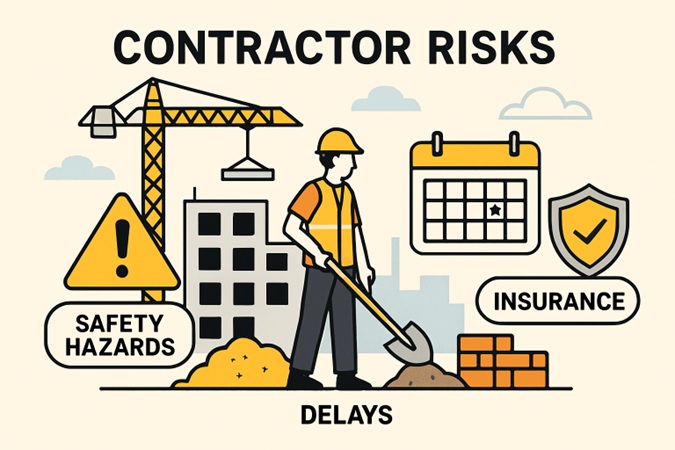
Risk management must be integral to a contractor’s strategy to address various challenges such as inflation, market volatility, and regulatory and labor issues. A thorough risk assessment is crucial for maintaining long-term stability, as even minor oversights can lead to significant setbacks. Contractors need to continuously evaluate and refine their risk management plans to protect their business and workforce. The current economic landscape has exacerbated risks in supply chains and technology, necessitating a proactive, adaptable approach alongside investments in training, insurance, and tech solutions. Effective project management now relies not just on experience but also on the incorporation of modern best practices. Furthermore, securing the appropriate coverage is vital for mitigating unexpected issues, providing essential financial protection, and enabling contractors to concentrate on delivering quality work without the burden of potential liabilities.
Labor Shortages
With construction demand soaring and skilled tradespeople retiring at a fast pace, the industry faces a critical labor gap. According to the Associated Builders and Contractors, the U.S. will need to attract over 720,000 new construction workers in 2025 to meet demand. This workforce shortage leads to project delays, higher labor costs, and increased reliance on less experienced workers. To mitigate these impacts, contractors should invest in recruitment efforts, offer apprenticeships, and emphasize ongoing training to retain talent.
Cost Overruns
Cost overruns consistently rank among contractors’ top concerns. Inaccurate cost estimations, fluctuating material prices, unexpected site conditions, and poorly defined scopes of work all contribute to this issue. Research by McKinsey & Company reveals that only 31% of construction projects are completed within 10% of their initial budget. Key strategies to prevent overruns include adopting robust project management software, setting realistic contingencies, and leveraging historical project data to refine cost projections. Transparent client communication and regular budget reviews further reduce financial surprises.
Safety Hazards
Construction remains one of the most dangerous industries, with approximately 169,600 non-fatal injuries reported annually in North America, according to OSHA. Risks include falls from heights, accidents involving heavy machinery, and exposure to hazardous materials. To minimize safety incidents, contractors must adopt a strong safety culture, which means mandating regular jobsite safety training, conducting frequent hazard assessments, and ensuring personal protective equipment (PPE) is always used. Implementing safety incentive programs and fostering open communication can also strengthen compliance among workers.
Contractual Risks
Poorly written contracts can leave contractors exposed to costly disputes and liabilities. Ambiguous indemnity clauses, missing timelines, and unclear payment schedules are common pitfalls that can derail projects. It is essential to engage legal counsel specializing in construction contracts, clarify all terms with all parties, and ensure proper documentation at every project phase. Reviewing contracts for hidden or unreasonable risk assignments will help safeguard businesses against legal and financial harm.
Supply Chain Disruptions
The construction industry has faced unprecedented supply chain challenges over the past few years, including global shipping delays, material shortages, and price spikes. Factors such as extreme weather, geopolitical conflicts, and labor strikes introduce unpredictability into material sourcing and delivery schedules. Contractors can combat these risks by diversifying suppliers, securing long-term purchase agreements, and building buffer time into project timelines. Proactively communicating potential delays to clients fosters trust and collaboration.
Environmental & Regulatory Compliance
Regulatory frameworks for building codes and environmental standards continue to evolve at the municipal, provincial, and federal levels. Non-compliance can result in stop-work orders, steep fines, and reputational damage. Staying current with code updates, holding regular compliance audits, and engaging consultants when entering new markets are smart steps. Education around green building initiatives and sustainability requirements also helps future-proof contracting businesses.
Technological Risks
Adopting new technologies such as drones, cloud-based project management, and Building Information Modeling (BIM) can improve efficiency and data accuracy. However, these solutions also expose firms to risks such as cyber threats and data breaches. According to Forbes, investing in robust cybersecurity measures, regularly updating software, and providing security awareness training are critical for safeguarding sensitive information.
Financial Instability
Economic downturns, payment delays, and poor accounting practices can lead to financial instability and even insolvency. For contractors, maintaining a healthy cash flow means carefully vetting clients, establishing clear payment terms, and keeping comprehensive records. Securing appropriate financing, regularly monitoring financial health with up-to-date reporting tools, and working closely with financial advisors are essential strategies for weathering market fluctuations.
By understanding and proactively addressing these risks, contractors can lay the groundwork for safer projects, stronger financial outcomes, and sustained business growth. While challenges will evolve, a robust risk management plan offers the best defense against the industry’s many uncertainties.
Conclusion
The construction industry faces a complex landscape of challenges, including labor shortages, cost overruns, safety hazards, contractual pitfalls, and supply chain disruptions. Coupled with evolving regulations, technological risks, and financial pressures, these factors underscore the need for proactive planning and management. By investing in workforce development, embracing rigorous safety and compliance practices, leveraging technology wisely, and maintaining sound financial controls, contractors can mitigate risks and enhance project outcomes. A comprehensive, forward-looking approach not only protects businesses from setbacks but also positions them for sustainable growth and long-term success in an ever-changing industry.