
Key Takeaways:
- A complete smile makeover addresses both functional and aesthetic dental concerns.
- Common procedures include teeth whitening, veneers, dental implants, and orthodontics.
- Personalized treatment plans are essential for optimal results.
- Advancements in dental technology have improved the effectiveness and comfort of smile makeovers.
- Maintaining oral hygiene post-treatment ensures the longevity of results.
A radiant smile is about more than appearances. It reflects confidence, health, and well-being. Many people facing dental challenges seek a complete transformation that not only upgrades how their smile looks but also revitalizes function and daily comfort. One of the most comprehensive solutions for achieving this goal is a full mouth restoration, a process that combines advanced dental techniques to deliver lasting results.
When pursuing a complete smile makeover, individuals address aesthetic concerns while also resolving issues that affect bite, speech, and oral health. Treatments can correct a variety of imperfections, from discoloration to missing teeth, delivering a smile that looks and feels natural. This holistic approach, led by dental professionals, ensures the results are personalized, comfortable, and long-lasting.
Understanding Smile Makeovers
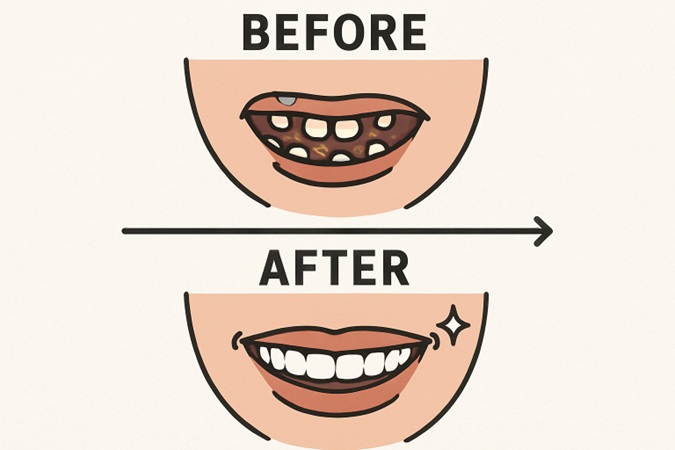
A smile makeover is a combination of cosmetic and restorative procedures designed to improve the appearance and function of your teeth and gums. This series of treatments is customized for each person, based on their specific needs and goals. Whether dealing with chips, gaps, bite misalignment, significant staining, or missing teeth, a comprehensive dental plan can create a harmonious, healthy, and beautiful smile.
The initial step involves a thorough dental assessment. Dentists evaluate the condition of the enamel, gum health, jaw alignment, and other structural features to draft a tailored plan. By addressing both the look and utility of the teeth, smile makeovers can improve speech, bite comfort, and even digestion, as proper dental alignment is essential for effective chewing and speaking.
Common Procedures Involved
Each smile makeover plan is tailored to the individual, combining several dental procedures as needed. Common treatments may include:
- Teeth Whitening: Professional whitening options can dramatically lighten stains, restoring brightness and youthfulness to your smile. Unlike over-the-counter products, dentistry-supervised whitening delivers stronger, more uniform results with lower risk to enamel and gums.
- Veneers: Thin porcelain shells are custom-crafted to cover visible flaws on the front surfaces of teeth, correcting chips, gaps, and discoloration efficiently. Veneers can also alter the size and shape of teeth for a more balanced look.
- Dental Implants: When teeth are missing, dental implants offer the most permanent solution. Implants serve as artificial roots, supporting natural-looking crowns that function like real teeth. This supports jaw health and preserves bone structure.
- Orthodontics: Braces or clear aligners can realign crooked or crowded teeth and correct bite problems. Advances in clear aligner technology have made orthodontics more discreet and comfortable than ever before.
Personalized Treatment Plans
No two smiles are the same, and that is why the most effective smile makeovers are always personalized. The process begins with consultation and digital imaging, allowing patients to visualize possible results before starting treatment. Dentists factor in skin tone, facial shape, gum contour, and oral health status to curate an individualized approach that supports overall harmony and natural beauty.
This personalized care plan is reviewed with the patient to ensure all steps and expectations are clear. Throughout the makeover, dentists coordinate every phase, whether they are performing whitening, fitting implants, or treating orthodontic cases, to deliver seamless, efficient results. The key is designing a strategy that balances functional improvements with cosmetic goals.
Advancements In Dental Technology
Contemporary dental technology has significantly enhanced both the comfort and success rate of smile makeovers. Digital smile design enables precise, realistic planning, using computer-generated models or 3D printing to preview results and create custom restorations. Intraoral cameras and digital impressions have replaced traditional molds, offering faster, more comfortable techniques that ensure superior accuracy.
Minimally invasive procedures have also gained prominence. Laser dentistry can shape gum tissue or remove decay with less discomfort, while innovations in materials science have produced longer-lasting veneers, crowns, and implants. These advancements mean shorter appointment times, quicker recovery, and more reliable, attractive outcomes than ever before.
Maintaining Your New Smile
Long-term results from a smile makeover depend on diligent post-treatment care. Patients should maintain excellent oral hygiene by brushing twice daily, flossing regularly, and using non-abrasive toothpaste. Visiting the dentist at least twice a year for cleanings and check-ups helps catch issues early. A diet rich in fresh produce and low in sugary snacks supports oral health and the longevity of results. Patients with restorations, such as implants or veneers, should avoid habits like chewing ice or biting nails. Dentists may also provide night guards to prevent grinding damage. A smile makeover isn’t just cosmetic; it’s a chance to regain comfort, function, and confidence. With a skilled team, advanced technology, and ongoing care, you can enjoy a healthy, confident smile for years.
Conclusion
A complete smile makeover goes beyond cosmetic enhancement by restoring function and confidence. Through personalized treatment plans that include whitening, veneers, dental implants, and orthodontics, patients can achieve a healthy and harmonious smile. Modern dental technology ensures precision and comfort, while proper oral hygiene and regular dental visits maintain the results. Ultimately, investing in a smile transformation enhances aesthetics and improves oral function, boosting overall well-being and self-assurance.