Key Takeaways:
- Hard water contains high levels of minerals like calcium and magnesium, leading to scale buildup in pipes and appliances.
- Mineral deposits can reduce water flow, decrease appliance efficiency, and shorten the lifespan of plumbing fixtures.
- Recognizing signs of hard water damage early can prevent costly repairs and maintenance.
- Implementing water softening solutions can mitigate the adverse effects of hard water on your plumbing system.
Understanding Hard Water
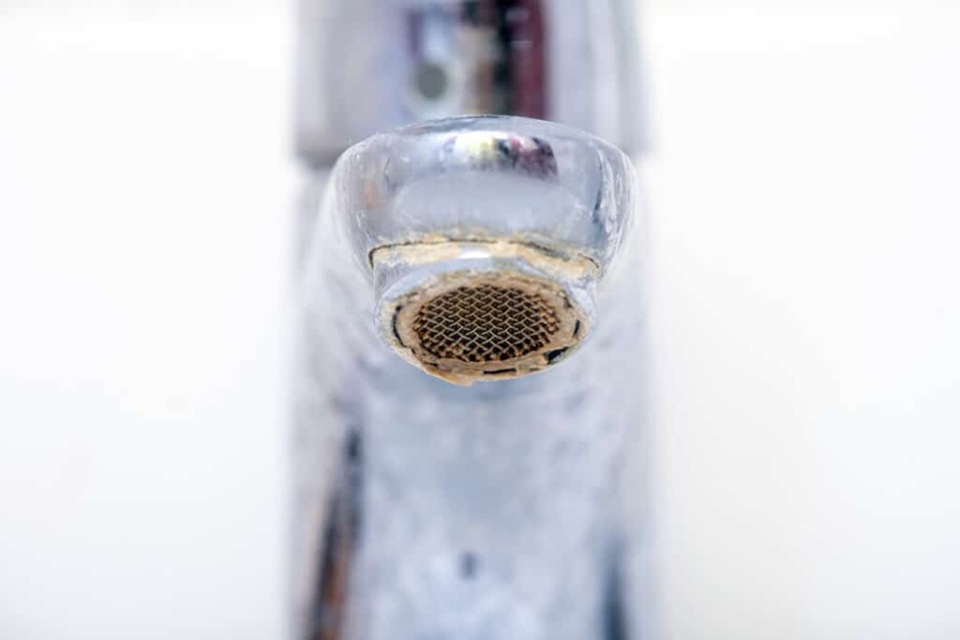
Hard water is a common issue in many homes across the United States, but it often goes unnoticed until it begins to cause noticeable problems. Hard water forms as it travels through natural deposits in the earth, absorbing minerals such as calcium and magnesium. Although consuming hard water does not pose health risks for most people, the minerals it carries can have a damaging impact on your home’s plumbing and water-using appliances. If you begin to see white, chalky deposits on your faucets or struggle with soap that just won’t lather, you’re likely experiencing the effects of hard water. Learn more about solutions from a water filtration installer near me and take proactive steps to protect your home.
These minerals do not evaporate or go away on their own. Instead, they precipitate as solid deposits in your plumbing over time, collecting on the interior surfaces of pipes, appliances, and fixtures. This ongoing build-up not only affects water quality but can also lead to mechanical issues within your plumbing system. With persistent exposure to hard water, homeowners face increased maintenance needs, unexpected appliance repairs, and a general decrease in water efficiency throughout the house.
Most households with hard water notice effects gradually, such as stubborn soap scum in sinks and bathtubs, or a decrease in the performance of appliances like dishwashers and water heaters. Addressing the root cause early on with specialized filtration or softening technology is essential for long-term savings and peace of mind.
As hard water continues to run through your plumbing system, each use compounds the mineral buildup that can eventually reduce water flow and pressure. This can result in both visible and hidden issues, including costly pipe repairs and premature replacement of plumbing fixtures. Examining the consequences and considering the latest research, such as information provided by the EPA’s guide on water contaminants, can help you understand just how significant these effects may be.
Scale Buildup In Pipes
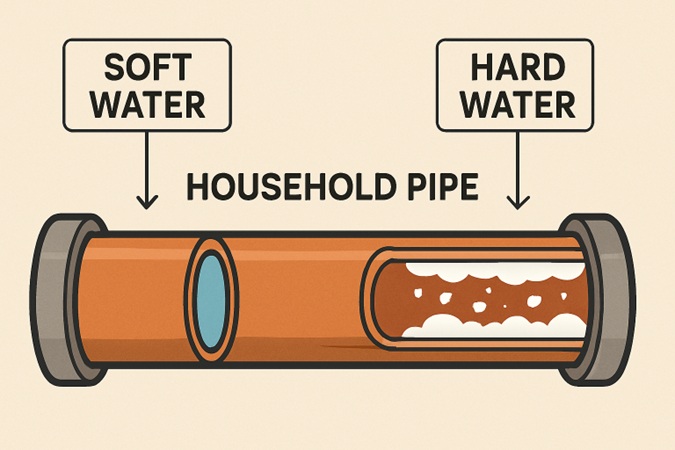
One of the most common and problematic effects of hard water is scale buildup inside your pipes. Mineral deposits accumulate as water is heated or evaporates, leaving behind a residue known as limescale. This buildup gradually narrows the diameter of pipes, restricting water flow and reducing water pressure throughout your home. In severe cases, the scale can become so thick that it entirely blocks sections of piping, leading to clogs and potential water damage. Regular plumbing maintenance and awareness are key to detecting these issues before they result in expensive repairs.
Impact On Appliances
Water-using appliances like water heaters, dishwashers, and washing machines are especially vulnerable to hard water. Limescale that collects on heating elements in a water heater, for example, can significantly reduce energy efficiency. Research from the U.S. Department of Energy shows that water heaters with substantial scale deposits can require up to 29% more energy to heat water, translating to higher utility bills. Dishwashers and washing machines can suffer from scale buildup on internal hoses and sprayers, causing ineffective cleaning and a shortened operational lifespan. These issues contribute to more frequent breakdowns and the need for appliance replacement sooner than expected.
Effects On Fixtures & Surfaces
The effects of hard water are not limited to the parts of your plumbing system you cannot see. On everyday fixtures such as faucets, showerheads, and toilets, hard water leaves behind visible marks and buildup. These white or greenish stains result from the minerals crystallizing and attaching to surfaces after water dries. Over time, this can cause water to spray unevenly from showerheads or reduce the flow from sink faucets. Additionally, the minerals in hard water react with soap to create soap scum, which builds up on tiles, glass doors, and bathtubs and makes cleaning more difficult for homeowners.
Signs Of Hard Water Damage
Early detection of hard water issues can help you avoid major repairs and appliance replacements. Some common signs to look out for include:
- Noticing a reduction in water pressure that cannot be attributed to obvious leaks.
- Finding white or chalky buildup around faucets, showerheads, and drains.
- Observing spots or cloudy streaks left on dishes and glassware after washing.
- Dealing with dry, itchy skin or dull hair after showers, as minerals prevent soap from rinsing cleanly.
- Receiving higher utility bills due to your water heater working harder than necessary to heat water.
Preventive Measures
There are effective ways to minimize hard water damage and extend the useful life of your plumbing and appliances:
- Install a Water Softener: Water softeners work by exchanging calcium and magnesium for sodium or potassium ions, significantly reducing scale formation.
- Regular Maintenance: Routinely flush your water heater and clean appliances to prevent excessive mineral accumulation.
- Use Descaling Agents: There are commercial products available that help dissolve mineral build-up in appliances and fixtures, aiding in efficient operation.
- Test Water Hardness: Periodic testing allows for proper monitoring of mineral content so you can address it promptly.
In addition, consider consulting a licensed plumber or water treatment specialist to assess your water quality and recommend the best solution for your needs
Conclusion
Hard water has the potential to cause ongoing wear and tear on your home’s plumbing system, reduce the efficiency of your appliances, and increase regular maintenance needs. Taking timely action to recognize, prevent, and mitigate hard water damage allows you to protect your investment and enjoy reliable water quality throughout your home. With the right combination of treatment technology, regular upkeep, and awareness, you can avoid many of the complications associated with hard water and keep your plumbing system in peak condition for years to come.