Key Takeaways:
- Popcorn ceilings can make homes appear outdated and may harbor dust and allergens.
- Removing or covering popcorn ceilings can enhance aesthetics and improve indoor air quality.
- Various methods, including scraping, skim coating, and installing new materials, offer solutions for updating ceilings.
- Safety precautions, especially regarding potential asbestos content, are crucial during the removal process.
Why Remove Popcorn Ceilings?
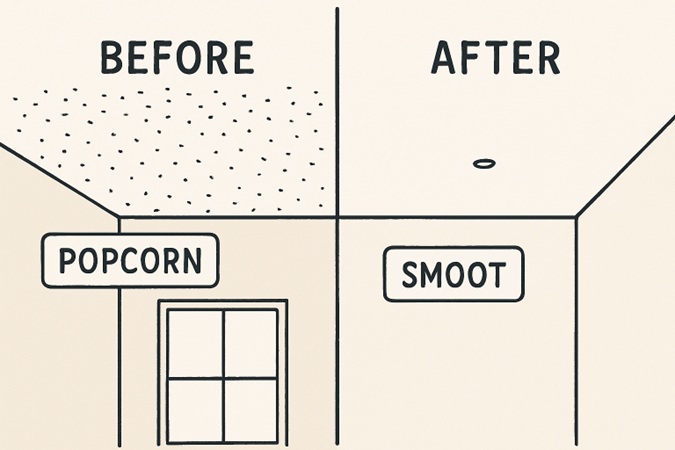
Once a popular design trend for hiding ceiling flaws and reducing noise, popcorn ceilings have since fallen out of favor. Today, these textured surfaces are seen as outdated and can make spaces feel less modern and appealing. Homeowners often find that rooms with popcorn ceilings look darker and smaller than they truly are. Modernizing by removing this ceiling texture helps open up a space, bringing a fresh and contemporary feel to your interior.
Beyond aesthetics, popcorn ceilings tend to trap dust, cobwebs, and other allergens, which can potentially impact indoor air quality. Many families choose to remove popcorn ceiling texture not only to update their home’s style but also to help create a cleaner environment. If you want reliable results and a professional finish, you might consider consulting Ottawa Stipple Ceiling Removal Experts for advice and service options available in your area.
Another motivating factor for removal is maintenance: once damaged, popcorn ceilings are difficult to patch seamlessly. Additionally, painting over the surface traps more dust, making future repairs even more challenging. Studies have shown that certain textured ceilings, particularly those in homes built before 1980, may contain asbestos, making it crucial to approach their removal with caution.
While the removal process can be labor-intensive, most homeowners ultimately find it to be a transformative upgrade that improves both the value and livability of their property.
Preparing For Removal
Preparation is critical for a successful and safe popcorn ceiling removal. Start by clearing the room of all furniture and breakables. If items cannot be moved, cover them securely with plastic sheeting to shield against dust and debris. Switch off the HVAC system and cover all vents to prevent particles from circulating throughout your home.
Lay down drop cloths or plastic sheeting on the floor to catch falling debris and make cleanup easier. Also, consider taping plastic sheets along the walls for added protection. Proper ventilation is essential, so open windows and use fans to keep air circulating, which helps reduce dust accumulation in your home.
Methods For Removal
Scraping
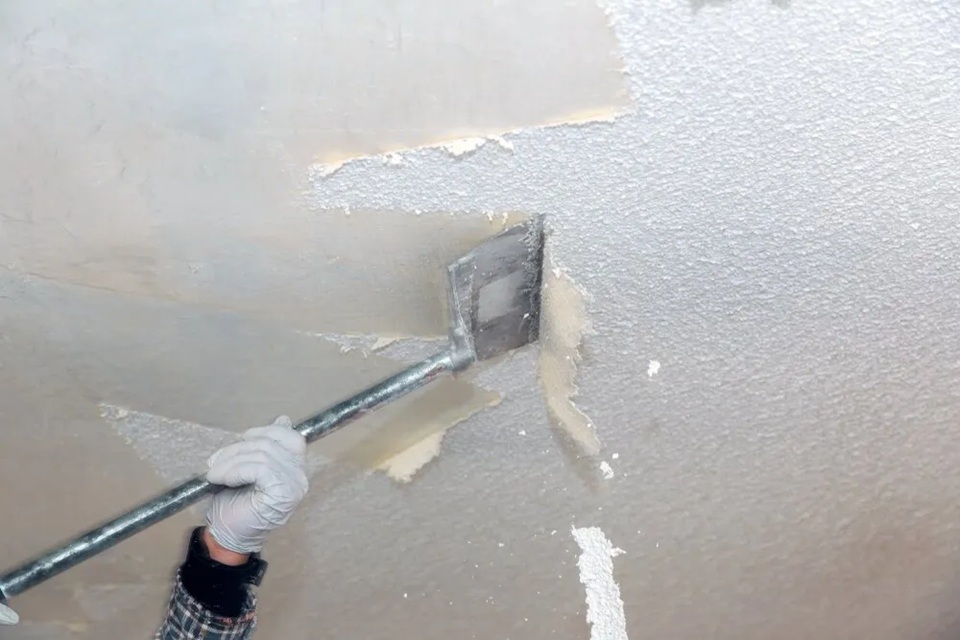
The most direct way to deal with popcorn texture is scraping. Begin by lightly spraying the ceiling with water using a garden sprayer or spray bottle. Allow the water to soak in for approximately 15 minutes—this helps soften the texture, making it easier to lift off. With a wide putty knife or a ceiling scraper, proceed gently across the surface to avoid denting or gouging the ceiling beneath. Scraping is highly effective, but be prepared for a significant mess. Always wear safety goggles and a mask during the process.
Skim Coating
Skim coating involves spreading a thin layer of joint compound directly over the popcorn texture, then smoothing it out to create a sleek, modern finish. This method is ideal if the original surface is firmly adhered and you want to avoid the dust generated by scraping. Multiple coats may be necessary for optimal results, followed by sanding for a flawless finish.
Covering With Drywall
Installing new drywall over the old ceiling is a popular choice, particularly for challenging removals or when dealing with previously painted ceilings. This encapsulates the popcorn and gives you a perfectly flat new surface. This method avoids direct contact with potentially hazardous materials and also provides an additional layer of soundproofing. For installation tips and safety guidance, refer to trusted resources, such as Bob Vila’s guide to removing popcorn ceilings.
Covering Popcorn Ceilings
If scraping or skim coating seems daunting, covering the existing texture is an attractive and efficient solution. Beadboard or wood paneling can be attached directly to the ceiling structure, adding architectural character and charm that can be finished in any color. Alternatively, lightweight ceiling tiles are a budget-friendly option, available in a variety of finishes to suit different interior styles.
These indirect methods enable you to bypass the hassle of removal, expedite the remodeling process, and still enjoy a significantly improved ceiling aesthetic that enhances your home’s marketability.
Safety Considerations
Safety should always be the top priority when updating popcorn ceilings. If your home was built before the mid-1980s, there’s a chance that your ceiling texture contains asbestos. Always test a small sample before starting the removal process. If asbestos is present, the safest course of action is to hire certified professionals with the proper equipment and credentials to handle hazardous materials. Disturbing asbestos without appropriate precautions can release dangerous fibers into the air, posing serious health risks.
Post-Removal Finishing Touches
Once the ceiling is free of popcorn texture, it may reveal minor imperfections. Use joint compound to fill in dings and divots, sand the surface until it’s perfectly smooth, and apply a high-quality primer to ensure the best finish. Choose ceiling paint in a bright, neutral tone to maximize the sense of light and space. Taking care with these final steps delivers a professional appearance that truly modernizes your home.
When To Hire Professionals
Popcorn ceiling removal is not always a do-it-yourself project. If your ceiling tests positive for asbestos, always contact a licensed abatement company. Similarly, if you lack the special tools, such as drywall lifts, or don’t feel confident working overhead for extended periods, professional contractors provide peace of mind and stellar results. This is especially recommended for high ceilings, large spaces, or cases where major electrical or lighting fixtures will need to be managed during the remodel.
Conclusion
Refreshing your space by removing or covering popcorn ceilings not only enhances your home’s look but also improves its air quality. Whether you opt for a hands-on DIY project or call in seasoned professionals, taking the proper steps ensures a safe and successful outcome. Investing in this upgrade not only creates a cleaner, brighter living area but also adds lasting value to your property.