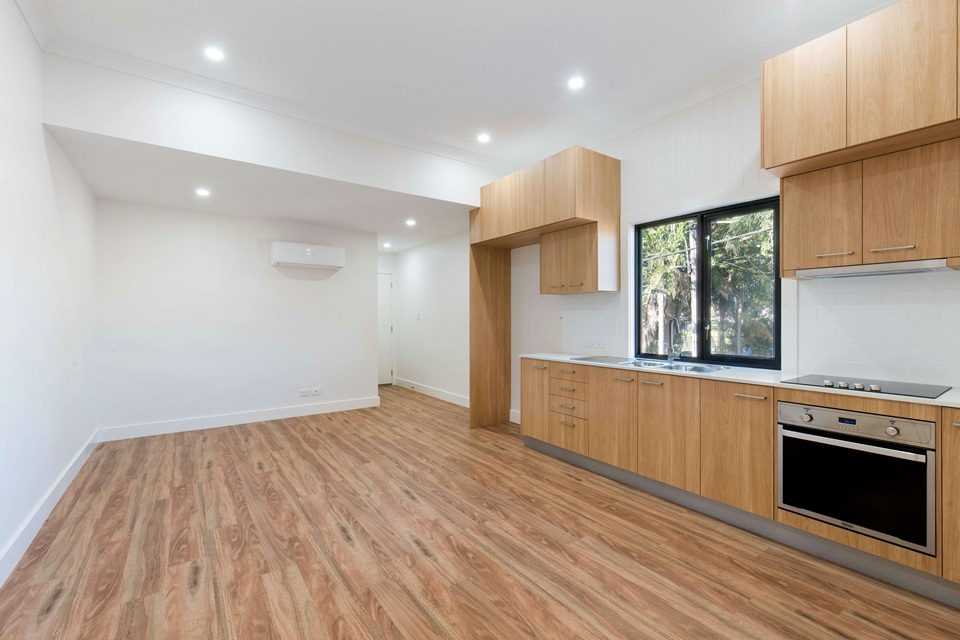
Whenever you take a look at your floors, what you’re seeing is more than just a surface you walk on. A floor is the foundation of your living area or workspace, setting the tone for functionality and aesthetics and making your home stylishly habitable. However, with time, your home’s flooring can undergo some harsh abuse, such as unexpected spills, pets, seasonal changes, and playing children, leading to expedited wear and tear.
With all these factors ganging up on your floor, you must also invest in intentional care to protect it from accelerated damage. Below, we’ll look at a few effective tips to protect your flooring and ensure long-lasting performance.
Use Rags & Carpets
When placed at key areas like high-traffic zones, rags and carpets play a crucial role in keeping your floor in great shape, even after years of living in the house. They absorb all the impact that would otherwise be felt by your floor, reducing wear and tear.
The carpets and rags offer protection right from the entry, where the entry mats capture dirt, debris, and moisture that would otherwise end up on your floor. The best door mats for this job are those with non-slip backings to prevent accidents and that are easy to clean.
Once inside the house, you’ll need area rugs and carpets to add another layer of protection while also boosting your room’s aesthetics. Getting the right carpet is only one step in the process; you need to invest in effective care to ensure it lasts long enough to protect your floor.
For instance, you can start by selecting a carpet extraction machine to clean your carpets at home whenever they’re stained or dirty. Timely cleaning keeps your carpet fibres clean and strong for long-lasting performance.
Clean Regularly
If you’re not using carpets, mats, or rugs, you’ll need to maintain a more regular cleaning schedule to keep dirt and debris from easily scratching your floor. You must sweep, dust, or vacuum your floor daily, weekly, or as needed to prevent harmful substances from building up. If you have hard floors, it’s important to switch to a soft-bristle broom or a vacuum cleaner set to hard-surface mode.
Appropriate cleaning also includes using damp mops with the right cleaning solutions as advised by your flooring manufacturer. Whenever necessary, ensure you use green cleaning solutions, especially for hard floors, to protect your floor while also keeping the environment safe and healthy. A good rule is to sweep your floors daily, mop with a damp microfiber mop weekly, and vacuum as needed to achieve the best cleaning outcomes.
Use Furniture Protectors & Pads
Besides foot traffic and pets, furniture positioning and repositioning also significantly impact the longevity of your floor. This is especially true in sections where furniture is pulled in and out more often, such as the dining area and the home office. As your dining room and office chairs slide around, they scratch the floor, causing it to wear out faster than it should. And even seemingly stationary furniture, like the couches, can wear when people plop down on them.
The best way to protect your floor from this continuous friction is to install furniture pads. Equip each chair, table, and other heavy items with furniture pads to create a buffer between your furniture and the floor, ensuring a seamless coexistence. Furniture pads are super affordable accessories and are available in rubber and felt, both of which are gentle on most surfaces.
Seal & Protect Your Floors
Some floors are more prone to wear and stain than others, prompting the need for an additional layer of protection to keep them safe and durable. A successful sealing process involves adding a protective layer that acts as a barrier against foot traffic, spills, and dirt. The type of sealant you choose will depend on the flooring and the amount of foot traffic the area receives.
For instance, tiles and hardwood floors work well with stain-preventing, water-repellent sealants, such as surface sealants and polyurethane-based sealants. If your floor is made of natural stone, you’re better off applying impregnating sealants for effective performance. Concrete floors, on the other hand, work well with penetrating sealants that penetrate into cracks and crevices to provide superior protection.
When you apply the correct type of sealant, you help extend your floor’s life and also streamline the cleaning process. Always check the manufacturer’s recommendation to ensure you’re using the most compatible and effective sealant on your floors.
Deep Clean Once In A While
While regular cleaning is important for handling surface dirt, debris, and stains that might compromise your floor’s quality, deep cleaning is crucial for eradicating deeper dirt and stain problems. Since deep cleaning involves thorough mopping or scrubbing to remove grime and ingrained dirt from the floor surface, it is a critical component for maintaining floor quality over time.
Deep cleaning is used in homes with hard floors, and each type of hard floor works well with a different method. Here are some of the different types of hard flooring and the deep cleaning techniques you can implement for each:
- Wood flooring: Use a wood-floor-specific cleaner and a soft mop to gently remove dirt without damaging the surface.
- Tile and grout flooring: Most of the dirt and debris on your tile flooring will accumulate in the grout. When deep cleaning, use a grout brush and a recommended cleaning solution to scrub away mildew, mould, and dirt from the grout lines to protect your entire flooring.
- Laminate flooring: Laminate floors are easier to clean, but you need to exercise care while deep cleaning. Use a damp mop with a mild detergent to reach every section of the floor and prevent laminate warping.
Applying the right deep-cleaning technique to the appropriate floor type can enhance its durability and aesthetics. Ensure you schedule a deep cleaning every 3 to 6 months, or after winter and summer, to remove winter salt buildup and summer dust accumulation.
Protecting a residential floor requires unwavering dedication in terms of time and financial commitment to achieve long-term solutions. By following the above tips, you can effectively protect your residential flooring, enhancing long-lasting performance and value for your money. Always partner with reliable professionals to ensure you follow cleaning and maintenance protocols for a safe, durable floor.