Key Takeaways:
- Upgrading to energy-efficient HVAC systems can reduce energy consumption and significantly lower utility bills.
- Homeowners can offset upgrade costs through federal tax credits, state rebates, and local incentives.
- Smart thermostats, routine maintenance, and insulation upgrades add layers of efficiency to any system.
Enhancing your home’s heating and cooling systems can lead to significant energy savings, greater year-round comfort, and a more sustainable household. Whether you are tackling an aging furnace, an inefficient air conditioner, or simply looking to take advantage of new technology, upgrading your HVAC system is a smart investment. Homeowners now have more practical options than ever, including the innovative DIY mini split HVAC systems. These options allow you to modernize your setup quickly and often at lower installation costs.
Choosing the right equipment for your home’s needs is only part of the process. Maximizing the benefits of your investment requires careful planning, ongoing maintenance, and the adoption of new tools that make your system smarter and more efficient. From leveraging financial incentives to improving your home’s insulation, this guide outlines the essential steps to optimize your home’s heating and cooling for today’s energy standards.
Assess Your Current HVAC System
Before investing in upgrades, evaluate the condition and performance of your current heating and cooling systems. Take note of the system’s age, efficiency ratings (commonly labeled SEER for air conditioners and AFUE for furnaces), and any frequent issues, such as uneven heating, noisy operation, or a mismatch between the system size and household needs. Systems over 10-15 years old or those experiencing chronic issues are typically less efficient, leading to unnecessary energy waste and rising costs. Consulting a licensed HVAC professional for an energy audit can help pinpoint inefficiencies and provide a complete picture of your upgrade opportunities.
Another key consideration during this assessment is the overall design and layout of your home. Factors such as ceiling height, window placement, and even local climate patterns can affect the efficiency of heating and cooling systems. By addressing design-specific concerns, you can ensure that any new equipment you choose will provide optimal performance. Remember, a professional audit is not only about evaluating existing appliances but also about identifying air leaks, insulation gaps, and other hidden inefficiencies that may compromise comfort and drive up costs.
Choose Energy-Efficient Equipment
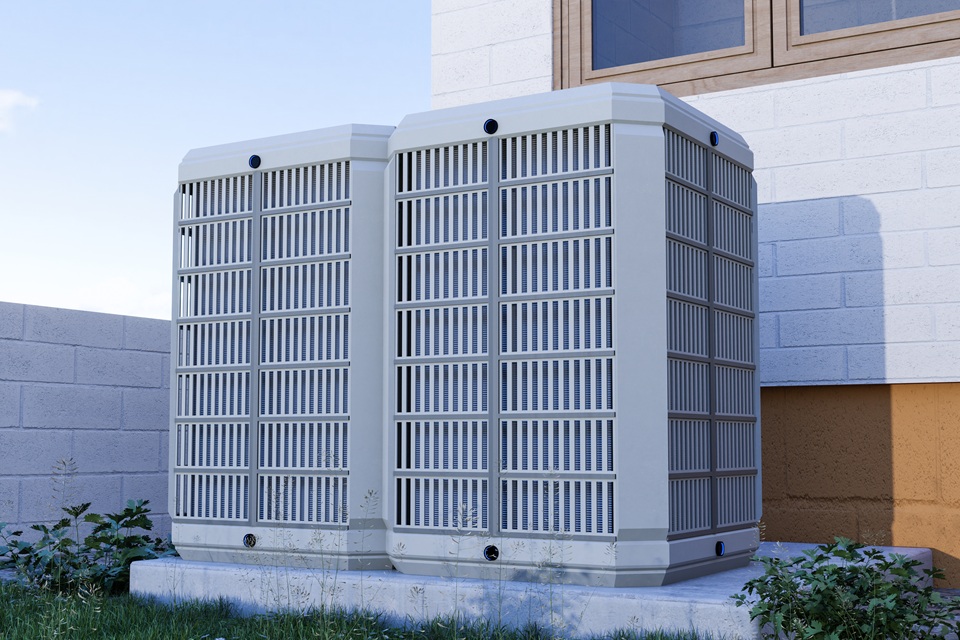
Modern energy-efficient systems outperform older models in both cost savings and environmental impact. Heat pumps are a highly recommended choice because they can both heat and cool while using far less electricity than traditional furnaces or electric baseboards. According to the New York Times Wirecutter heat pump guide, switching to a new heat pump can result in substantial reductions to both your energy use and monthly bills.
Besides heat pumps, variable-speed air handlers and high-efficiency furnaces also offer improved comfort by operating more quietly and adjusting output in response to real-time demand. Look for ENERGY STAR-certified products and compare efficiency ratings such as SEER, HSPF, and AFUE to make an informed decision. Consider the long-term benefits of advanced systems, including greater reliability and warranty coverage, which further enhance the value of your upgrade.
Take Advantage Of Financial Incentives
Government programs and utility companies offer significant financial incentives to encourage homeowners to upgrade to energy-efficient systems. The Inflation Reduction Act’s federal tax credits provide up to 30% back for qualifying heat pump installations, capped at $2,000. Many states and local utilities offer rebates ranging from a few hundred to several thousand dollars, depending on your region and the type of equipment installed. Research current offers through your state energy office or utility provider. Seek out programs that specifically target HVAC upgrades, as these often provide some of the highest rebates available to homeowners.
Timing can also play a role in maximizing savings. Seasonal promotions and manufacturer rebates can further lower your upfront investment, so plan your project around periods of high incentive availability. Installing energy-efficient equipment may also increase your home’s resale value, as buyers increasingly prioritize eco-friendly features that promote lower operating costs and environmental stewardship.
Integrate Smart Thermostats
Smart thermostats are one of the simplest upgrades with a big return on energy savings. These devices let you set custom schedules and remotely adjust your home’s temperature via smartphone apps. Some models use artificial intelligence to learn your habits and automatically optimize heating and cooling cycles. According to the Environmental Protection Agency’s ENERGY STAR smart thermostat guide, certain smart thermostats can cut annual energy costs by up to 10%. Not only does this enhance comfort and convenience, but it also further reduces strain on your upgraded HVAC system.
An easy-to-use interface and regular software updates can keep these thermostats working at peak efficiency. Some smart thermostats also integrate with other home automation devices, allowing you to maximize whole-home energy management. By analyzing data trends, you can identify additional savings opportunities and ensure your equipment operates only when truly needed, further curbing wastage.
Enhance Insulation & Sealing
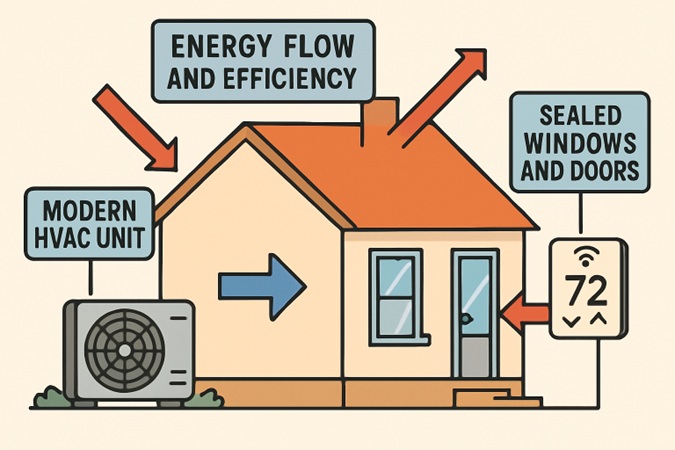
No matter how efficient your HVAC system is, poor insulation leads to energy loss and higher bills. Focus first on the attic, walls, windows, and exterior doors. Use weatherstripping and caulk to seal gaps, and consider upgrading to energy-efficient windows if yours are single-pane or drafty. Well-insulated homes retain heat in winter and keep cool in summer, reducing the load on your HVAC equipment. This step works hand in hand with other upgrades, maximizing the benefits across your entire home.
Even small improvements, such as adding door sweeps or repairing damaged window frames, can produce a noticeable difference. For older homes, blown-in insulation and spray foam can be highly effective for filling inaccessible spaces. Many homeowners see a return on their insulation investment through lower energy bills within just a few seasons, making this one of the most cost-effective upgrades available. Regularly inspecting and updating insulation should be part of your long-term home maintenance plan.
Regular Maintenance
Scheduling regular HVAC maintenance is crucial to keeping any heating or cooling system running smoothly. Annual tune-ups, which include checking refrigerant levels, cleaning coils, and replacing filters, can prevent costly breakdowns and extend the lifespan of your equipment. Well-maintained systems operate more efficiently and are less likely to experience sudden malfunctions during peak seasons, keeping your home comfortable year-round.
Consider Zoning Systems
Zoning systems divide your home into separate areas, each managed by its own thermostat or ductwork configuration. This setup enables you to heat or cool only the rooms in use, which can cut energy bills and reduce unnecessary wear on your HVAC system. Zoning is especially valuable in larger homes or those with finished basements, rooms over garages, or multiple levels where temperature differences can be significant.
Modern zoning systems offer advanced controls and can be retrofitted into many existing ducted and ductless applications. Wireless sensors and app-based management tools make it even easier to customize comfort levels for every member of your household. With precise temperature control, zoning supports both energy savings and a consistently comfortable living space, regardless of changing weather or daily occupancy patterns.
Final Thoughts
Upgrading your home’s heating and cooling systems is a sound investment with lasting benefits. By systematically assessing your needs, selecting efficient systems, leveraging available incentives, and prioritizing smart technology and maintenance, you will create a comfortable, resource-efficient, and resilient home. Each step in the upgrade process works together toward the goal of reduced energy usage and greater control over your household expenses. For most homeowners, the move toward energy efficiency starts with a single upgrade and gradually transforms the quality of life for years to come.