
Key Takeaways:
- Integrated advertising campaigns unify messaging across multiple channels to create a cohesive brand experience.
- Successful campaigns often leverage personalization, real-time engagement, and consistency across channels.
- Emerging technologies, such as AI and data analytics, are enhancing the effectiveness of integrated marketing strategies.
Understanding Integrated Advertising Campaigns
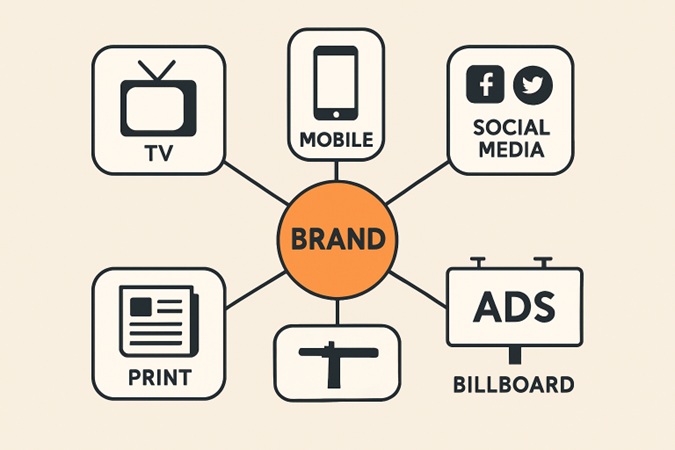
Today’s marketing environment is more fragmented than ever, demanding brands create immersive, consistent touchpoints that genuinely connect with audiences. Integrated advertising campaigns have emerged as a foundational solution, ensuring every piece of communication—whether digital, print, in-person, or broadcast—works in harmony to reinforce core brand messages. Uniting messaging across various channels not only delivers a more cohesive customer journey but also creates market differentiation and brand loyalty. An experienced advertising agency serving Utah businesses can help organizations leverage these strategies for greater impact across platforms, blending creative approaches with data-driven insights.
Integrated campaigns enable brands to speak authentically to their audiences across all channels. Consistency across paid ads, owned content, and earned media is essential to engaging today’s digitally savvy consumer, ensuring recognition and trust follow the audience from their social media feed to in-store experiences.
By building and maintaining unified campaigns, businesses of all sizes can streamline their messages for maximum resonance and engagement. Whether incorporating traditional outlets like TV and radio or leveraging the rise of digital media, integrated campaigns encourage brands to adapt and stay relevant across the ever-evolving marketing landscape.
Fundamentally, integrated campaigns are about breaking down silos and creating unified narratives that transcend individual platforms. Multichannel synchronization leads to improved recall, more efficient marketing spend, and ultimately, a healthier bottom line. According to the Harvard Business Review, brands that adopt integrated approaches are better positioned to adapt to shifts in consumer behavior and media consumption.
Key Components Of Successful Integrated Campaigns
To yield the most outstanding results, integrated campaigns require the following cornerstone elements:
- Consistent Messaging: A unified voice and core message throughout all content keeps the customer experience seamless, enhancing brand recognition and trust.
- Multi-Channel Presence: Leveraging both digital (e.g., search, social, email) and traditional (e.g., print, OOH) channels maximizes audience reach.
- Personalization: Customizing communications for specific audience segments increases message relevance, leading to higher engagement and conversion rates.
- Real-Time Engagement: Responsive interactions—including social commentary and customer support—enable brands to adapt their messaging to current trends or feedback in a timely manner.
Notable Examples Of Integrated Advertising Campaigns
Well-executed integrated campaigns often serve as a blueprint for future marketing innovation. For example, Coca-Cola’s “Share a Coke” campaign personalized bottle labels with familiar names and encouraged consumers to share their experiences on social media. The campaign’s synergy between TV advertising, digital media, and in-store promotions created a viral movement, showcasing the effectiveness of harmonized messaging across channels.
Similarly, Nike’s enduring “Just Do It” initiative exemplifies a consistent cross-channel presence. From traditional broadcast commercials to influencer-led digital activations, Nike’s singular message adapts for context without losing unity, solidifying an influential and recognizable brand identity. The campaign, launched in 1988, repositioned Nike from a niche athletic shoe company into a global lifestyle brand, proving the power of branding that taps into universal human emotions.
These examples highlight the importance of creativity and adaptability in integrated campaigns, as well as the necessity of grounding all communications in a shared narrative or mission.
Leveraging Technology In Integrated Campaigns
Advances in marketing technology now drive more sophisticated and measurable integrated campaigns. Artificial Intelligence (AI) analyzes vast datasets, revealing insights into consumer preferences and behaviors that fuel hyper-personalized ad delivery. This allows brands to engage users more effectively, boosting both relevance and response rates.
Data analytics also play a critical role, enabling marketers to track campaign performance across every channel and optimize strategies in real time. An integrated approach to data ensures every channel informs the next, providing a 360-degree view of campaign impact. As outlined in Forbes, marketers leveraging unified analytics are better equipped to deliver ROI and drive growth.
Challenges In Implementing Integrated Campaigns
Despite their clear benefits, integrated advertising campaigns do present unique challenges. Coordinating multiple platforms requires judicious allocation of resources—both in terms of budget and personnel. Maintaining consistent messaging and brand standards throughout these channels can be complicated as audiences and formats proliferate.
- Resource Allocation: The need for high-quality content and oversight across many platforms often strains internal resources.
- Consistency Maintenance: Juggling campaign elements across print, digital, and experiential channels risks message dilution without precise oversight.
- Data Management: Aggregating, analyzing, and acting on insights from disparate sources demands a robust technological infrastructure and data-savvy teams.
Best Practices For Integrated Advertising Campaigns
- Develop a Clear Strategy: Success begins with outlining objectives and identifying target segments and key messages upfront.
- Ensure Cross-Department Collaboration: Involving marketing, sales, product, and customer service teams fosters alignment and supports message consistency.
- Utilize Customer Insights: Leveraging available data reveals valuable insights into audience preferences and behaviors, enabling more personalized communications.
- Monitor and Adapt: Continuously tracking performance enables timely adjustments, ensuring campaigns stay current and competitive in a shifting environment.
Conclusion
Integrated advertising campaigns have become critical for brands seeking to break through the noise of today’s crowded media landscape. By building bridges between platforms and delivering seamless, adaptable messaging, businesses can foster brand loyalty, enhance marketing ROI, and remain agile in the face of rapidly changing consumer behavior. Ultimately, embracing integrated approaches allows organizations to craft more memorable and effective campaigns—ones that foster lasting relationships and deliver measurable growth.