Coping with a herniated disc can feel overwhelming, especially when persistent pain and mobility issues interfere with daily life. Fortunately, a variety of non-surgical treatments provide effective relief and support the body’s healing process. Exploring these alternatives is highly recommended before considering invasive procedures. If you are wondering how a chiropractor help a herniated disc, you’re not alone. Many people seek professional guidance to reduce symptoms and regain their quality of life. Understanding the range of available non-surgical therapies allows you to make informed decisions about your spinal health. From guided exercise regimens to proven alternative therapies, these options can minimize pain while avoiding surgical risks.
Physical Therapy & Exercise
Participating in a structured physical therapy program is widely regarded as a first-line defense against herniated disc symptoms. Licensed physical therapists create tailored exercise plans focusing on strengthening core muscles, improving spinal flexibility, and training patients in proper posture. These exercises stabilize the spine and can relieve pressure on the affected disc, often leading to less pain and greater functionality. In addition to guided therapy sessions, self-managed home exercise is essential for ongoing progress. It is crucial, however, to follow professional recommendations to avoid exacerbating symptoms. Evidence shows that diligent participation in physical therapy can yield long-lasting benefits for many patients.
Chiropractic Care
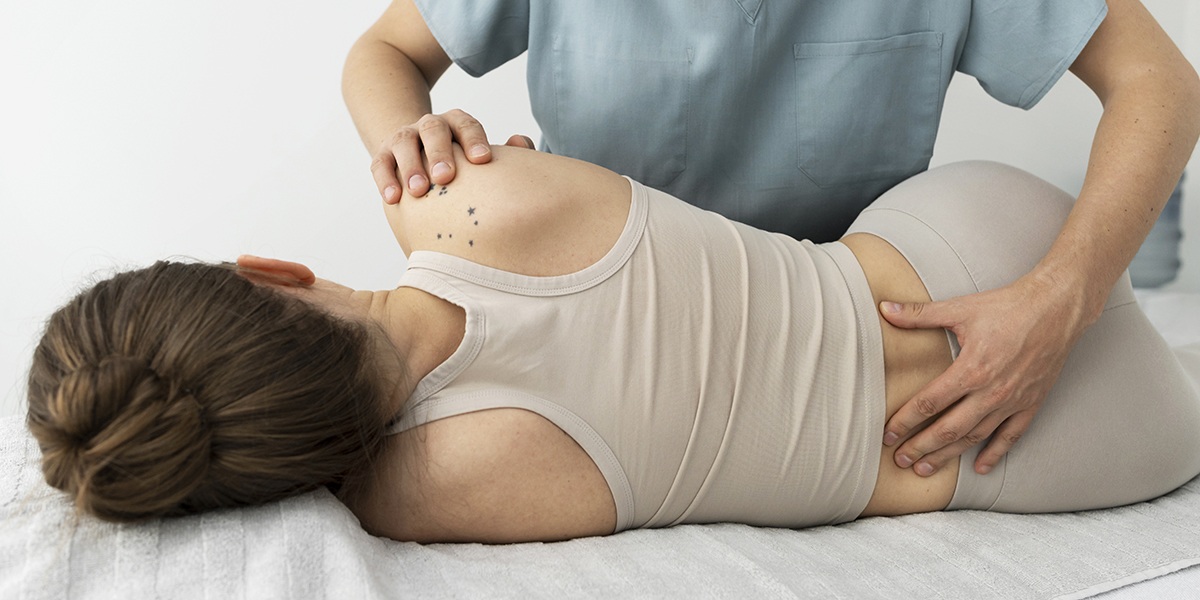
Chiropractic therapists employ spinal manipulation techniques designed to reduce nerve pressure associated with herniated discs. By realigning the vertebrae, chiropractic care aims to restore normative spinal movement while alleviating both acute and chronic pain. This method is popular for its non-invasive approach and its focus on personalized treatment. Not only does chiropractic work reduce pain in some cases, but it can also support the healing of the surrounding tissues.
Non-Surgical Spinal Decompression
Non-surgical spinal decompression therapy provides gentle stretching to the spine, often using specialized tables or mechanical traction devices. The procedure creates negative pressure within the spinal discs and may help retract protruding disc material, thus encouraging natural healing. Many patients experience reductions in both pain and the size of the herniation, particularly when this approach is part of a diverse treatment plan.
Epidural Steroid Injections
For those struggling with inflammation and severe discomfort, epidural steroid injections can provide short-term relief. By administering corticosteroids directly to the affected area via injection, doctors can quickly reduce inflammation and ease pain. This intervention is especially useful for individuals whose symptoms impede their daily routines or participation in physical therapy. While not a long-term solution, these injections can help manage acute flare-ups, allowing the body to heal while maintaining a higher quality of life in the meantime.
Lifestyle Modifications
Implementing strategic lifestyle changes is often a critical component of herniated disc management. By adjusting daily habits, you can promote spinal health and reduce the risk of symptom recurrence. Essential modifications include:
- Maintaining Proper Posture: Using ergonomic chairs and practicing correct body alignment when sitting or standing helps avoid further spinal strain.
- Regular Low-Impact Exercise: Activities such as walking, swimming, or cycling improve circulation to spinal muscles and discs, supporting recovery without excessive stress.
- Weight Management: Keeping a healthy weight reduces pressure on spinal discs and can help prevent new or worsening disc issues.
Alternative Therapies
Many patients explore complementary and alternative medical approaches for additional relief. Noteworthy options include:
- Acupuncture: The controlled insertion of fine needles at specific bodily points can disrupt pain pathways and trigger the release of endorphins, providing relief for some patients.
- Massage Therapy: Therapeutic massage targets tense muscles and improves blood flow, which can reduce discomfort and support tissue repair.
- Yoga and Pilates: These mind-body disciplines enhance strength, flexibility, and posture. Regularly participating under the guidance of an experienced instructor may reduce pain and help safeguard against future injuries.
When To Consider Surgery
Although non-surgical solutions are effective for most people, certain cases may require a more aggressive approach. Surgery is usually reserved for patients who experience ongoing or worsening symptoms despite months of conservative treatment or those who develop progressive weakness, numbness, or loss of function. Consulting a spine specialist is necessary if nerve compression leads to bowel or bladder dysfunction, significant muscle weakness, or severe pain that affects quality of life.
Conclusion
In most cases, surgery is not the only answer to managing a herniated disc. A well-rounded approach, including physical therapy, chiropractic care, spinal decompression, and strategic lifestyle adjustments, can offer substantial relief and long-term improvement. It is essential to work closely with qualified healthcare professionals to tailor a plan to your specific needs and symptoms. With patience and consistency, substantial recovery is possible without surgical intervention.