
As modern education evolves, teachers and schools continually seek strategies that foster genuine student engagement and meaningful learning outcomes. Project-Based Learning (PBL) stands out as a method that transforms the traditional classroom dynamic, offering an interactive, student-centered approach that emphasizes deep understanding and practical skill-building. In particular, schools such as an innovative STEM-focused school in Sandy, Utah, are pioneering these efforts, demonstrating how real-world projects foster creativity, collaboration, and lifelong learning habits.
Unlike rote memorization or passive instruction, PBL requires students to participate actively in learning by investigating and solving complex, authentic problems. This promotes not only knowledge acquisition but also the development of critical thinking and interpersonal skills, empowering students for both academic and real-world success. The flexibility and relevance of PBL make it a powerful solution for educators looking to meet the diverse needs of today’s learners and equip them for the future.
What Is Project-Based Learning?
Project-Based Learning is an instructional methodology where educational experiences are anchored around extended, inquiry-driven projects. These projects challenge students to explore significant questions, investigate solutions, and present their findings to broader audiences. By shifting the focus from simply memorizing facts to actively exploring real-world scenarios, PBL cultivates a deeper, more sustained understanding of core concepts and skills.
The role of the teacher in PBL shifts from direct instruction to facilitation—supporting students as they discover, ask questions, and apply classroom knowledge in practical ways. This method enables differentiation, ensuring that diverse learners can find entry points tailored to their talents and interests, which helps create a more equitable classroom environment for all students.
Benefits Of PBL
- Enhanced Engagement: Students invest in their learning when they perceive its relevance to everyday life, leading to increased motivation and focus.
- Development of Critical Skills: Collaborative projects promote communication, teamwork, and analytical skills that are highly valued in both higher education and the workforce.
- Deeper Understanding: Through investigation and hands-on application, students move beyond surface knowledge to gain a robust mastery of concepts.
- Preparation for the Future: Engaging in PBL provides students with practice in real-world problem-solving and adaptability, vital traits for long-term success.
Research published by Edutopia has shown that PBL can lead to higher levels of student achievement and retention, particularly among underrepresented populations.
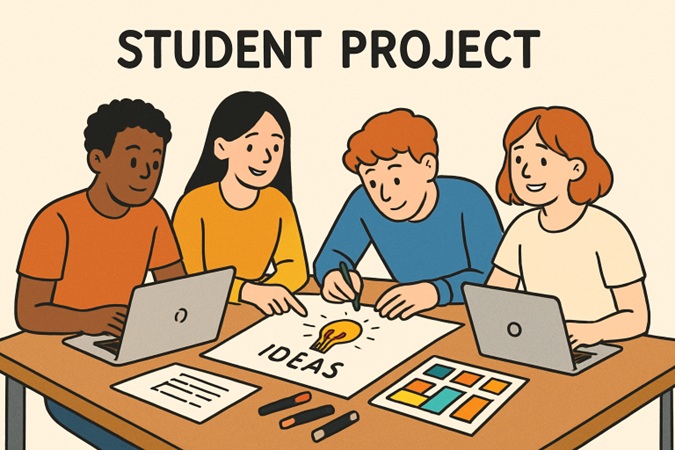
Implementing PBL In The Classroom
Effective integration of PBL begins with identifying a driving question relevant to students’ lives or future careers. From there, educators should set clear objectives and define the project’s scope, coordinating materials, resources, and a realistic timeline. Student inquiry must be scaffolded through feedback, reflection, and checkpoints, ensuring sustained engagement and academic rigor.
Practical Steps For Educators
- Identify a Real-World Problem: Select a challenge that holds meaning for students and the community, sparking curiosity and intrinsic motivation.
- Plan the Project: Establish learning goals, assessment criteria, timelines, and resource lists to ensure a well-structured project. Collaboration with colleagues can enhance planning and implementation.
- Facilitate Student Inquiry: Guide students in conducting research, testing hypotheses, and engaging with stakeholders—encouraging exploration and iteration.
- Assess and Reflect: Use formative assessment tools and structured reflection periods to monitor progress and foster ongoing improvement.
More detailed implementation strategies and examples can be found in resources from the Edutopia publication.
Challenges & Solutions
Despite its many advantages, Project-Based Learning can pose challenges for schools and educators. Common hurdles include limited classroom time, scarce resources, and the need for adequate teacher training. Solutions include scheduling regular collaborative planning sessions, leveraging technology to streamline communication and project management, and providing ongoing professional development for instructors. School administrators play a crucial role in supporting the adoption of PBL by fostering a culture of innovation and collaboration within their institutions.
PBL In Action: Success Stories
Across the United States, organizations like PBLWorks have developed high-quality, ready-to-use project templates to help schools efficiently deliver PBL experiences that align with academic standards. Meanwhile, the annual PBL World Conference has become a vital forum for sharing best practices, inspiring transformation, and celebrating student achievements.
For instance, at High Tech High in California, a fully PBL-based curriculum has led to consistently higher graduation and college acceptance rates compared to local averages. These success stories underscore the effectiveness of project-based approaches, particularly when supported by strong professional learning communities and access to high-quality curricular resources.
Resources For Educators
Teachers interested in launching or enhancing PBL initiatives can find inspiration and support through various professional organizations, conferences, and online resources. Recommended starting points include:
- PBLWorks TEACH™: Web-based platform featuring curated PBL project designs and educator supports.
- PBL World Conference: Annual gathering for professional learning and networking among PBL practitioners.
Conclusion
Project-based learning represents a significant shift away from traditional, passive instruction by immersing students in meaningful, hands-on tasks that closely mirror real-world situations. Through collaboration, inquiry, and problem-solving, learners gain a deeper understanding of academic concepts while simultaneously developing essential skills such as communication, critical thinking, and adaptability. This approach encourages curiosity and ownership of learning, motivating students to explore topics more thoroughly and creatively. With access to strong support networks—including teacher guidance, community partnerships, and interdisciplinary resources—educators can design learning experiences that feel relevant and empowering. Ultimately, project-based learning helps students build the confidence and competence needed to navigate an increasingly complex and rapidly evolving world.