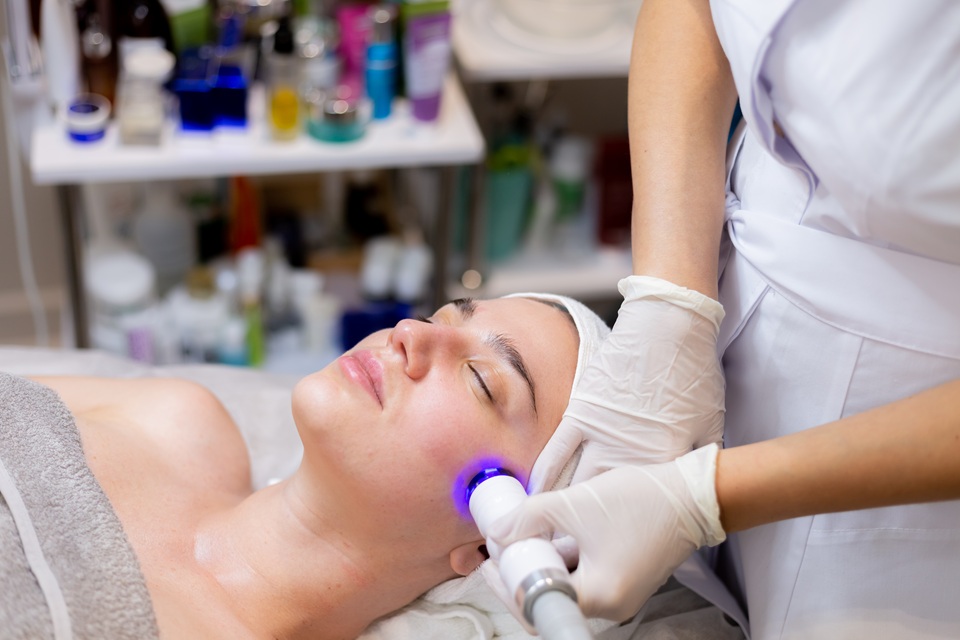
Achieving smooth, vibrant skin is a goal shared by many, especially as visible signs of aging begin to appear. In recent years, light-based treatments have garnered attention for their scientific approach to rejuvenating and restoring youthful skin. Among these innovations, the best BBL laser treatment in Salt Lake City has become a popular choice for those seeking practical, non-invasive solutions.
These therapies work by harnessing specific wavelengths of light to target different layers of the skin. Their versatility and efficacy have made them a cornerstone in modern skincare, offering targeted options for various concerns such as pigmentation, texture, and loss of firmness.
Understanding Light-Based Skin Treatments
Light-based skin treatments use distinct wavelengths of light to address a range of skin concerns, from discoloration and redness to fine lines and skin laxity. These energy-based therapies penetrate the skin at varying depths, encouraging the body’s natural regenerative processes. The science behind these treatments continues to advance, making them safer and more effective for a wide range of skin types and concerns.
How Light Therapy Promotes Skin Rejuvenation
The rejuvenating effects of light therapy result from a biological process called photobiomodulation. When certain wavelengths of light are absorbed by skin cells, they can catalyze the production of adenosine triphosphate (ATP), which supplies energy for cell repair and renewal. This targeted cellular stimulation increases both collagen and elastin – proteins essential for maintaining youthful, firm, and resilient skin.
In addition to stimulating protein synthesis, light-based treatments can reduce localized inflammation, accelerate healing, and even help normalize uneven pigment patterns. Because the risk of damage is lower than with invasive procedures, many people opt for these therapies as part of a proactive approach to anti-aging. Insights on the biological mechanisms can also be found in resources like Healthline. These effects make light therapy a versatile option not only for cosmetic purposes but also for supporting overall skin health. Regular sessions, when done correctly, can complement other skincare routines and enhance long-term results.

Types Of Light-Based Treatments
There are several categories of light-based treatments, each designed for specific skin needs:
- Intense Pulsed Light (IPL): This broad-spectrum light treatment targets pigment irregularities, redness, and small blood vessels, while also improving fine lines and skin texture. IPL is highly customizable and effective for a variety of photodamage concerns.
- Low-Level Laser Therapy (LLLT): Controlled, low-energy lasers are used to stimulate cellular activity, encourage healing, and decrease inflammation, making LLLT a promising option for sensitive skin types or those recovering from other procedures.
- Light-Emitting Diode (LED) Therapy: This non-invasive treatment uses panels of colored LEDs, with red light focusing on anti-aging and collagen production, while blue light is commonly used to reduce acne and control breakouts.
Benefits Of Light-Based Skin Therapies
Light-based therapies offer a range of advantages compared to traditional skincare approaches and surgical interventions:
- Non-surgical and non-invasive, resulting in minimal discomfort and little to no downtime for most patients.
- Noticeable improvement in overall skin tone, brightness, and texture.
- Reduction in visible signs of aging, such as lines, wrinkles, and enlarged pores.
- Targeted reduction of pigmentation, sun damage, and redness, leading to a more balanced complexion.
- Stimulation of natural collagen formation, which supports ongoing improvements and firmer skin over time.
Considerations & Potential Side Effects
While light-based skin treatments are widely regarded as safe, potential side effects are possible, especially if protocols are not closely followed. Common, generally mild reactions after treatment include redness, slight swelling, or temporary shifts in skin pigment. More rarely, blistering or persistent discoloration can occur, especially in individuals with sensitive skin or higher pigment levels.
A thorough consultation with a board-certified dermatologist or licensed skincare provider is crucial to minimize risks and guarantee the treatment is tailored to your unique needs.
Combining Light Therapy With Other Skincare Routines
Light-based treatments pair effectively with a carefully curated skincare routine to maximize benefits and maintain results. Incorporating topical antioxidants like vitamin C and E post-treatment can further protect the skin against environmental aggressors, while regular use of sunscreen ensures long-lasting results. Many experts recommend integrating gentle exfoliants and hydrating serums between sessions to encourage skin renewal and comfort.
Choosing The Right Treatment For You
Selecting the optimal light-based therapy demands consideration of your skin’s unique characteristics, specific concerns, and desired outcomes. Some individuals may benefit most from a combination of treatments over time. A professional evaluation ensures an individualized treatment plan aligned with your goals, enhancing safety and overall satisfaction with the results.
Conclusion
The surge in popularity of light-based treatments is supported by growing scientific evidence and widespread patient satisfaction. By informing yourself about the available technologies, consulting trusted medical professionals, and combining these therapies with good skincare habits, you can unlock the potential for a younger, healthier-looking complexion.