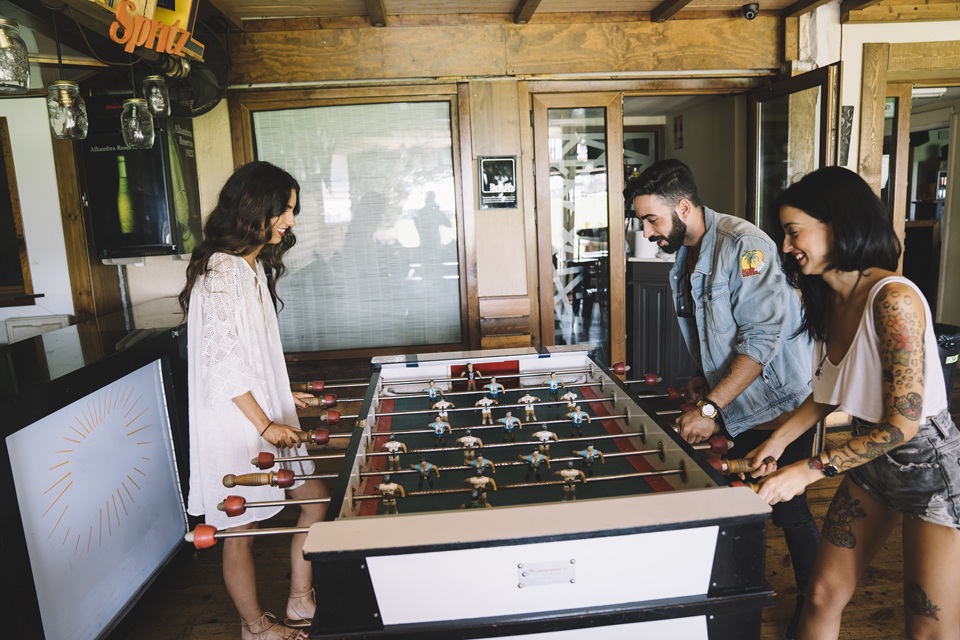
Game rooms have always been much more than a space to unwind after a long day; they’re lively venues where friendships are formed, memories are made, and lasting community bonds are forged. Today’s game rooms go beyond entertainment, offering both comfort and camaraderie, whether through a lively billiards match, a ping-pong game, or an across the board horse racing game Spearfish SD. Fun competition isn’t just engaging; it’s also a powerful catalyst for social interaction and community growth.
People from all walks of life converge in these communal spaces to compete, collaborate, and connect. What was once seen primarily as a casual activity spot is now recognized as a vital part of local culture and community well-being. From the laughter that echoes during friendly tournaments to the sense of inclusion found in organized leagues, game rooms remind us of the importance of shared experiences in fostering a sense of belonging.
This transformation of game rooms into vibrant community hubs reflects a cultural renaissance rooted in inclusivity, teamwork, and shared joy. Whether you’re returning to a favorite haunt or stepping into a game room for the first time, the welcoming atmosphere is palpable. The social impact is particularly profound in smaller towns and cities, where these venues often serve as some of the only gathering points outside the home.
While every game offers its own excitement, it’s the social dynamic of meeting neighbors, making friends, or even welcoming newcomers to the area that truly elevates these spaces to community cornerstones. The walls of a game room echo with stories, memories, and the collective spirit of its community-based mission.
Historical Significance Of Game Rooms
For generations, game rooms have provided a much-needed third space, an environment outside home and work where individuals could unwind, share stories, and discover new friendships over familiar games. Classic arcades, pool halls, and chess clubs thrived in the heart of their communities, often acting as informal meeting halls for local groups and events. According to Smithsonian Magazine, these early venues were more than entertainment centers; they played a vital role in the social and economic fabric of their neighborhoods.
Modern Game Rooms As Community Hubs
Game rooms today reflect our evolving social landscape. Many feature multipurpose layouts, with cozy lounges, snack bars, and event programs that encourage long stays and repeat visits. Organized game nights, themed competitions, and even classic leagues have become staple features. This transformation is evident in the revival of traditional arcades and billiard halls across the country, which are evolving into vibrant, multigenerational spaces that celebrate both competition and companionship. A recent article in The New York Times notes the resurgence of these classic venues and their renewed importance as local gathering spots.
Inclusive Spaces For Diverse Populations
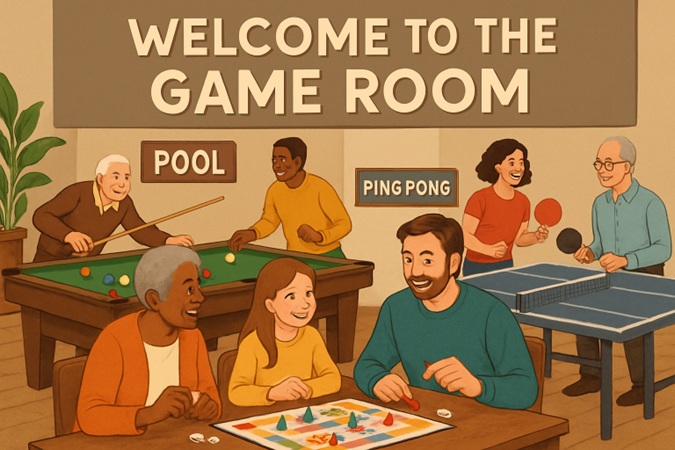
As the significance of these spaces has grown, so too has their inclusivity. Today’s game rooms strive to be universally welcoming, breaking down social and physical barriers to entry. Community-driven initiatives, ranging from adaptive equipment for people with disabilities to women- and youth-focused leagues, ensure everyone has a home in their local game room. Organizations like the Gamers Outreach Foundation also work to bring gaming resources to hospitals and underserved communities, demonstrating the potential of games to connect and heal.
Technological Advancements & Social Interaction
Technology has revolutionized the way people interact in game rooms. Virtual Reality (VR) and Augmented Reality (AR) experiences, multiplayer networked setups, and advanced score-tracking have added new dimensions to social play. According to research published in Psychology Today, immersive games can foster a stronger sense of community and connection, enhancing not only the gaming experience but also participants’ emotional bonds. These advancements help welcome both seasoned gamers and casual players into collaborative environments that emphasize team play and mutual achievement.
Case Studies Of Successful Community Building
Success stories across the country highlight how game rooms can anchor thriving communities. One notable example is the Green Tile Social Club in New York City. What started as a small mahjong gathering quickly grew into a cultural hub, hosting regular events that blend play, education, and socialization. The club’s open-door policy and collaborative spirit have made it a haven for both lifelong residents and recent arrivals, demonstrating how a single game can bridge gaps across generations and backgrounds. These stories show how game rooms foster both cultural continuity and dynamic new connections.
Benefits Of Social Interaction In Game Rooms
The advantages of regular game room attendance extend far beyond the games themselves. Socializing in these settings leads to better mental well-being, reduced stress, and enhanced communication skills. According to an NPR feature, adults who make time for play in communal spaces can strengthen their emotional resilience and foster new friendships, all while keeping their minds sharp and spirits high. For younger visitors, these benefits are even more pronounced, supporting social development and boosting confidence through teamwork and shared play.
Future Trends In Game Room Socialization
Looking forward, game rooms are poised to deepen their impact as community-building engines. The growing accessibility of digital tools, coupled with a renewed focus on inclusivity and openness, will ensure that everyone, regardless of age, ability, or background, can enjoy the many benefits of communal play. As technology continues to innovate, we can expect even more interactive and immersive experiences designed specifically to foster social connection and enrich our communal lives.
Conclusion
Game rooms are enduring fixtures of local social infrastructure, offering not just games, but a sense of belonging, acceptance, and joy. Their evolution into dynamic, inclusive spaces reflects a broader embrace of togetherness, teamwork, and mutual celebration. As both literal and figurative “third spaces,” game rooms cultivate lasting relationships, support community health, and remind us all of the simple power of play.