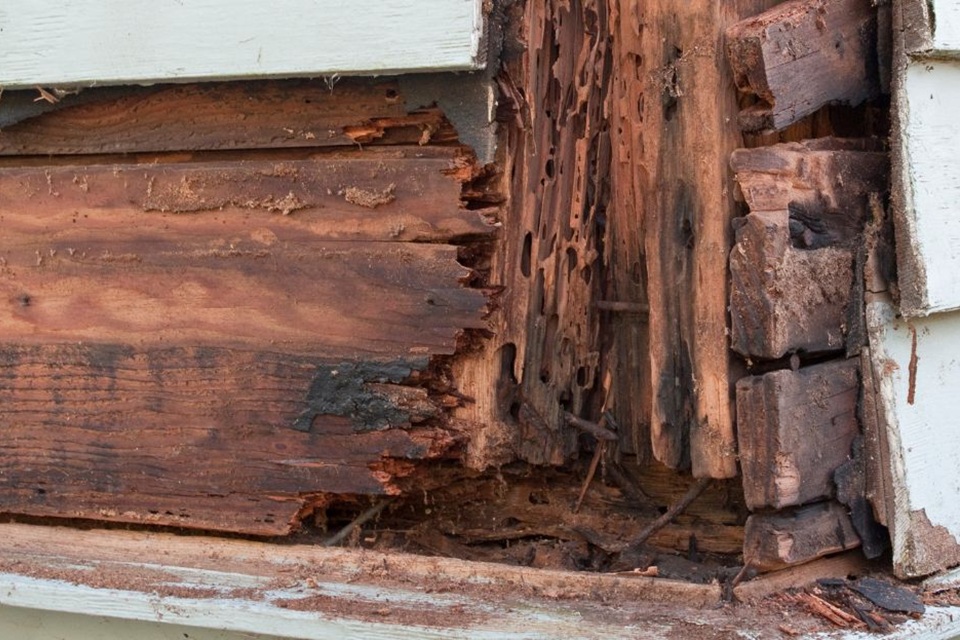
Wood-destroying insects are a hidden threat that many homeowners don’t think about until real damage has already occurred. These pests can quietly invade your home, feed on structural wood, and compromise the safety and value of your property without obvious warning signs. Understanding what wood-destroying insects are, how they cause damage, and why regular wood destroying insect inspection matters can help you protect your home before small problems turn into expensive repairs.
What Are Wood-Destroying Insects?
Wood-destroying insects (often referred to as WDIs) are pests that feed on wood or burrow into it for shelter. Over time, their activity can weaken beams, joists, floors, walls, and other critical structural components of a home. Unlike surface-level pests, these insects work from the inside out, making their damage difficult to detect without a trained eye.
The most Common Types Wood-Destroying Insects Include:
Termites:
Termites are the most well-known and destructive wood-destroying insects. They feed on cellulose in wood and can cause extensive damage in a relatively short time. Subterranean termites are the most common type in many areas, building colonies underground and entering homes through the foundation. Because they work silently, many infestations go unnoticed for years.
Carpenter Ants:
Carpenter ants don’t actually eat wood, but they excavate it to create nests. This tunneling can weaken wooden structures over time. They’re often attracted to moist or previously damaged wood, making them a sign that another issue, like a leak or water damage, may already exist.
Powderpost Beetles:
These beetles lay eggs in wood, and the larvae feed inside as they grow. The result is wood that looks intact on the surface but is hollowed out from within. Fine, powder-like dust (called frass) near wooden surfaces is often a key indicator of their presence.
Wood-Boring Beetles:
Similar to powderpost beetles, these insects bore into wood during their life cycle. They can affect hardwoods and softwoods alike, including furniture, flooring, and structural beams.
Each of these pests causes damage differently, but the result is the same: compromised wood that can affect your home’s strength and longevity.
Why Wood-Destroying Insects Are A Serious Problem
One of the biggest dangers of wood-destroying insects is how quietly they operate. Many homeowners don’t realize there’s an issue until they notice sagging floors, hollow-sounding wood, or visible damage. By that point, repairs can be costly and invasive.
Structural damage isn’t the only concern. Wood-destroying insects can also reduce your home’s resale value and complicate real estate transactions. Many lenders and buyers require proof that a home is free of active infestations or unresolved damage. A history of untreated wood-destroying insect problems can delay or even derail a sale.
In addition, these pests often thrive in conditions that signal other problems, such as excess moisture, poor ventilation, or drainage issues. Ignoring an infestation may mean ignoring a larger issue that could lead to mold growth or further structural deterioration.
What Is A Wood-Destroying Insect Inspection?
A wood-destroying insect inspection is a thorough examination of your home by a trained professional to look for signs of active infestations, past damage, and conditions that could attract these pests. The inspection typically includes accessible areas such as basements, crawl spaces, attics, garages, and the exterior foundation.
Inspectors look for evidence like mud tubes, damaged or hollow wood, discarded wings, frass, moisture issues, and entry points that insects use to access your home. Even if no active pests are found, the inspection can identify risk factors that may lead to future problems.
Why You Need A Wood-Destroying Insect Inspection
There are several important reasons to schedule a wood-destroying insect inspection, even if you don’t think you have a problem.
Early Detection Saves Money
Catching an infestation early can significantly reduce repair and treatment costs. Minor damage is far easier and cheaper to address than widespread structural repairs.
Peace Of Mind For Homeowners
Knowing your home has been professionally inspected provides reassurance that your investment is protected. If issues are found, you’ll have a clear plan for addressing them.
Essential For Real Estate Transactions
If you’re buying or selling a home, a wood-destroying insect inspection is often required. Buyers want to know they aren’t inheriting hidden damage, and sellers can avoid last-minute surprises that slow down closing.
Prevention Of Future Damage
Inspections don’t just find existing problems; they also identify conditions that attract wood-destroying insects. Addressing moisture issues, sealing entry points, and improving ventilation can prevent infestations before they start.
How Often Should You Get An Inspection?
For most homeowners, an annual wood-destroying insect inspection is a smart preventative measure, especially in areas where termites and other WDIs are common. Homes with crawl spaces, older construction, or a history of infestations may benefit from more regular inspections.
If you’re purchasing a home, scheduling an inspection during the due diligence period is critical. For sellers, getting one ahead of listing can help you address issues proactively and build buyer confidence.
Final Thoughts
Wood-destroying insects may be out of sight, but their impact can be significant. From termites and carpenter ants to beetles that weaken wood from within, these pests pose a real threat to the safety and value of your home. A professional wood-destroying insect inspection is one of the most effective ways to detect problems early, prevent future damage, and protect your investment for years to come.
Being proactive today can save you from major headaches tomorrow, and when it comes to your home, prevention is always worth it.