- Climate change is significantly impacting Jackson’s urban forest through increased heat and altered precipitation.
- Strategic selection and maintenance of drought-tolerant trees are vital for long-term sustainability.
- Proper planting, community involvement, and professional support are central to healthy urban forestry.
- Collaborative efforts and educational outreach maximize urban forest resilience.
Understanding The Impact Of Climate Change On Jackson’s Urban Forest
Jackson, Mississippi, is at the frontline of climate change impacts, from hotter summers and severe droughts to unpredictable storms. Urban neighborhoods, particularly in downtown Jackson, are subject to intense “heat islands,” where concrete and asphalt absorb and re-radiate heat, resulting in temperatures that are 10 degrees or more above those in surrounding areas. These harsh conditions accelerate stress and reduce lifespans for many trees, making climate-driven adaptation not just beneficial, but critical for the city’s tree canopy.
As hotter, drier conditions become more common, trees expend more energy coping with heat stress, while shifting rainfall patterns create both flooding and prolonged drought. The vulnerability of the urban forest impacts not just aesthetics, but cooling shade, community mental health, air quality, and even stormwater management—all invaluable ecosystem services in Jackson’s neighborhoods.
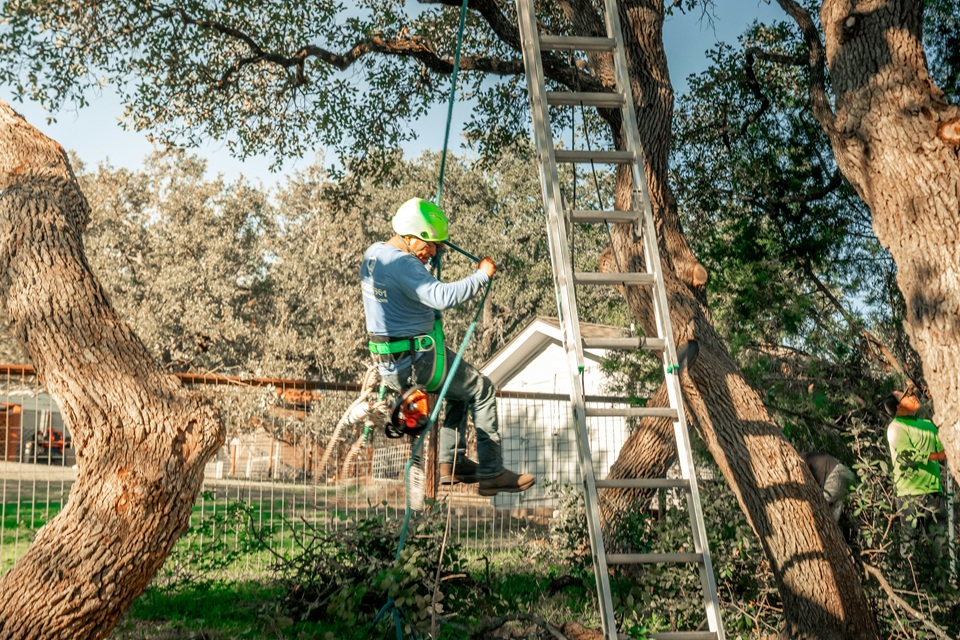
One of the most effective ways to adapt Jackson’s tree canopy to future climate uncertainty starts with utilizing experienced, professional support. For tasks that demand expertise—such as hazardous tree removal, technical pruning, and landscape health assessments—residents can rely on licensed tree removal in Jackson MS through Heritage Tree Services. As a locally trusted and certified arboricultural firm, Heritage Tree Services specializes in comprehensive tree care, risk mitigation, and sustainable management practices tailored to Jackson’s unique climate challenges. With deep experience across Hinds County and the greater Jackson area, their team leverages advanced equipment, thorough safety protocols, and a strong commitment to environmental stewardship—ensuring every tree solution enhances both urban safety and ecological benefit.
Choosing Drought-Tolerant Tree Species
Building a resilient urban forest in Jackson starts with selecting tree species that naturally thrive in the region’s climate. Drought-tolerant options, such as Southern Magnolia, Live Oak, and Bald Cypress, have deep, robust root systems and proven reliability during periods of low rainfall. These species not only withstand challenging conditions but also provide dense shade, support wildlife, and require relatively low maintenance compared to non-native or water-demanding species. Homeowners are encouraged to seek out native and regionally appropriate options, as they have evolved to adapt to Mississippi’s natural weather extremes and soil types.
The Mississippi State University Extension Service offers helpful guidance for property owners and municipal planners seeking to bolster Jackson’s urban forest with climate-adapted selections. Prioritizing diversity within planting choices further protects against species-specific pest outbreaks and enhances the forest’s resilience to future threats.
Implementing Proper Planting Techniques
Success in tree establishment goes beyond just species selection. Adequate soil preparation—such as testing soil drainage, amending soil structure, and addressing compaction—lays the groundwork for robust root growth. Planting trees at the recommended depth, allowing for proper spacing, and mulching around the tree’s base helps retain critical soil moisture, suppresses weeds, and keeps the root zone insulated against temperature extremes. Effective mulching practices—using a two- to four-inch layer of organic mulch, pulled back from the trunk—also decrease watering needs and improve soil health over time.
Regular Maintenance & Monitoring
Once established, consistent care is essential for tree health and longevity. Key routines include professional pruning for structural integrity, supplemental watering during droughts, and vigilant monitoring for signs of insects or disease. In a warming climate, stressors such as new pests and fungal pathogens may emerge more frequently, making scheduled inspections critical for timely intervention. Community-wide tree inventories and urban forestry assessments are valuable tools for prioritizing care and efficiently deploying resources to high-risk areas.
Community Involvement & Education
Thriving urban forests require the collective effort of residents, businesses, schools, and local leaders. Community-driven tree planting initiatives cultivate civic pride, foster environmental stewardship, and multiply the labor force dedicated to tree care. Educational outreach through workshops, demonstration gardens, and youth engagement helps build the knowledge base necessary to maintain healthy trees—and, by extension, a healthier city. Such programs empower citizens to recognize the signs of tree stress, avoid common planting mistakes, and respond proactively to emerging risks.
Leveraging Professional Tree Services
While everyday maintenance tasks are manageable by most property owners, specific procedures—especially those involving large or hazardous trees—are best left to licensed professionals. Qualified arborists possess technical expertise, utilize advanced tools, and have a strong understanding of local codes and ecological best practices. Tree care firms that prioritize sustainability and environmental compliance enhance the health and safety of Jackson’s urban landscape while minimizing liability and environmental impacts.
Collaborative Efforts In Urban Forestry
The complexity of sustaining a diverse, climate-resilient tree canopy requires coordinated action among government agencies, non-profits, local businesses, and volunteers. Collaborative programs, such as city-wide planting days and public tree mapping projects, pool resources and expertise to achieve a greater positive impact. Technical assistance, funding incentives, and public awareness campaigns also drive more inclusive and effective forestry policies, ensuring equitable access to the benefits of a verdant city landscape for all Jackson residents.
For models of scalable urban forestry partnerships and accessible funding opportunities, organizations like the Arbor Day Foundation offer nationwide case studies and grant opportunities for both individuals and institutions seeking to make a measurable difference.
Conclusion
The accelerating impacts of climate change demand urgent adaptation in Jackson’s urban forestry strategy. By championing drought-tolerant tree species, implementing science-based planting and maintenance practices, investing in professional expertise, and nurturing community involvement, Jackson can not only preserve but also strengthen its vital urban tree canopy. Collective stewardship today will ensure a cooler, greener, and more resilient city for future generations.
Frequently Asked Questions
What are the best drought-tolerant trees for Jackson, MS?
Southern Magnolia, Live Oak, and Bald Cypress stand out among native drought-resistant options suitable for the region’s climate.
How can I get involved in local tree planting initiatives?
Join community planting events, attend workshops, or volunteer with local organizations dedicated to expanding and caring for Jackson’s urban forest.
When should I consult a professional tree service?
Turn to licensed professionals for hazardous tree removals, structural pruning, or large-scale assessments to safely and effectively manage high-risk or mature trees.