Key Takeaways:
- Advanced education pathways are becoming the new standard for respiratory care professionals.
- Technology integration, including online learning and simulation, is transforming respiratory therapy education.
- Accreditation and standardization ensure quality and consistency in respiratory care training.
- Modern respiratory therapists must possess skills in technology, communication, and interdisciplinary collaboration to deliver effective care.
- Lifelong learning and continuous professional development are crucial in this ever-changing field.
Embracing Advanced Educational Pathways
The world of healthcare is rapidly evolving, and the responsibilities of respiratory care professionals are expanding at a similarly rapid pace. Where an Associate of Science was once the entry-level standard, today’s respiratory therapists are encouraged to pursue more advanced degrees to meet the challenges of patient care and to advance within their careers. The American Association for Respiratory Care (AARC) recommends pursuing baccalaureate and graduate-level education for those entering the field, as this enhances skills and opens the door to leadership roles.
Fortunately, educational institutions are providing solutions for those looking to take the next step in their professional journey. Flexible degree advancement options, such as the online respiratory therapy program at Northern Kentucky University, give working Registered Respiratory Therapists the opportunity to earn a bachelor’s degree while maintaining their careers. These programs support lifelong learning and ensure that students are equipped with a deeper understanding that will benefit patients and the entire healthcare system.
Integration Of Technology In Education
The use of technology is revolutionizing how aspiring and practicing respiratory therapists learn new skills and stay updated with best practices. Online education platforms now offer courses in core topics such as pulmonary diseases, neonatology, and respiratory diagnostics, making it easier than ever to access quality evidence-based material. Institutions harness virtual classrooms, allowing students to interact with instructors and peers without the constraints of geography or time.
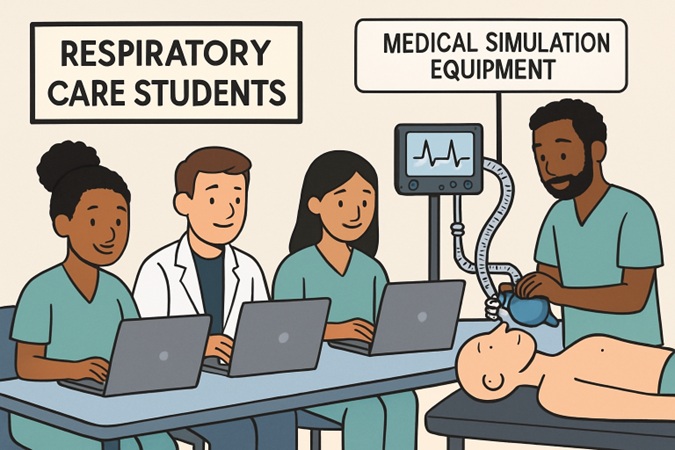
Beyond online coursework, simulation-based education is reshaping practical learning experiences. Simulation labs replicate real-world clinical scenarios, offering interactive opportunities to refine decision-making skills and technical proficiency in a risk-free environment. Real-time feedback and scoring from simulation tools enable students to identify their strengths and areas for growth well before treating patients in clinical settings. A recent report from Forbes details the benefits and challenges of this shift toward digital and simulated learning in allied health education.
Accreditation & Standardization
With rising educational expectations come greater commitments to quality and consistency. Accreditation plays a vital role in ensuring that respiratory care education programs meet the rigorous standards necessary to produce competent and ethical practitioners. The Commission on Accreditation for Respiratory Care (CoARC) oversees this process, conducting peer reviews and evaluating curricula to ensure compliance with standards. CoARC-accredited programs are recognized nationally as delivering reliable and comprehensive clinical training.
Accreditation benefits not only future practitioners but also reassures patients, healthcare institutions, and hiring bodies that graduates are proficient and prepared for the demands of modern patient care. The American Association for Respiratory Care provides further information on how clear accreditation standards contribute to safer, better-coordinated care at every level.
Developing Essential Skills For Modern Practice
The advent of new technologies and care delivery models has expanded the skill set required for today’s respiratory therapists. Modern practitioners are expected to demonstrate proficiency with electronic health records, telehealth applications, and high-flow oxygen systems. They must also stay current with the latest evidence-based practices and comply with evolving healthcare regulations.
At the same time, soft skills like communication, collaboration, and adaptability are more important than ever. Respiratory therapists frequently serve as key members of interdisciplinary healthcare teams, working closely with physicians, nurses, and other specialists. Their ability to listen and contribute effectively—particularly in high-stress or emergent situations—can make a critical difference for patients.
Commitment To Lifelong Learning
Healthcare never stands still, and neither can the professionals who provide it. Achieving excellence as a respiratory therapist requires ongoing education and professional development well beyond graduation. Online learning modules, webinars, and specialty certifications enable practitioners to stay current with new developments, adapt to regulatory changes, and deliver informed, innovative care throughout their careers.
Organizations like the AARC play an instrumental role in promoting lifelong learning. By supporting advanced degrees, encouraging participation in continuing education, and advocating for research-based practice, professional bodies ensure that respiratory therapists are continually advancing their skills and knowledge.
Conclusion
Modern education is transforming the way respiratory care professionals are trained, equipping them with advanced knowledge, practical skills, and a commitment to continuous improvement. By embracing advanced degrees, integrating technology into every facet of learning, enforcing rigorous accreditation standards, and fostering a culture of lifelong learning, the sector ensures that both practitioners and their patients are well-served. As respiratory care continues to grow in complexity and importance, these holistic educational approaches are key to preparing practitioners for the demands of contemporary healthcare.