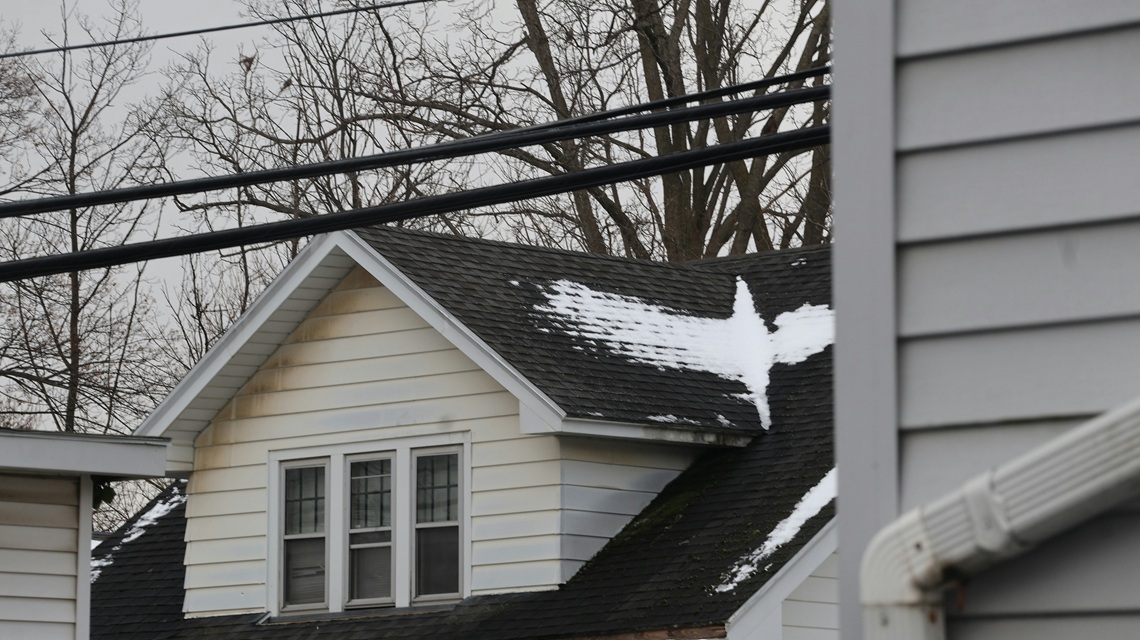
Severe weather can strike unexpectedly, leaving homeowners facing a daunting path to recovery. From wind-swept roofs to waterlogged basements, storm damage is often both stressful and overwhelming. Early action and knowing what steps to take can protect not only your property, but also your financial well-being. For Kansas homeowners and those throughout the Midwest, reputable contractors like Cillessen Construction can be an invaluable resource during the repair and rebuilding process.
Having a comprehensive plan to address storm-related damage is critical to ensuring your home remains safe and that you receive fair compensation from your insurance provider. This guide will walk you through vital steps, from assessing damage to protecting yourself against repair scams. By becoming informed and proactive, you can navigate these challenging situations with greater confidence and control.
Assessing Damage: The First Step
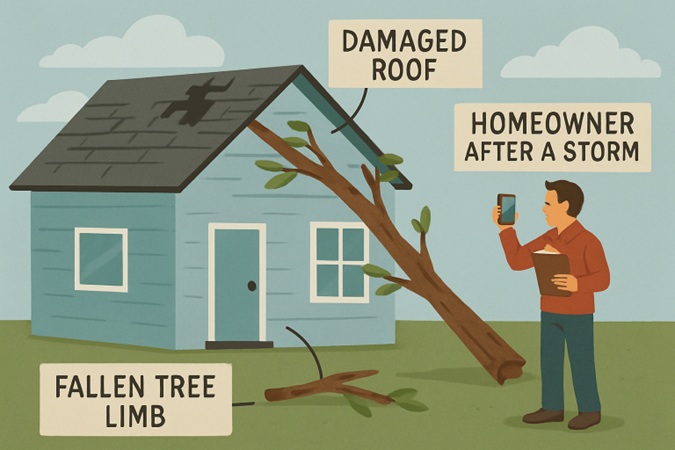
When the winds die down and the threat has passed, safety is your top priority. Inspect your property carefully before entering, checking for urgent hazards such as fallen power lines, gas leaks, or severe structural damage. If any of these conditions exist, contact first responders or your utility provider immediately. Once it is safe, begin a thorough walkthrough of your home, noting damage to windows, roofs, siding, and interiors. Hidden issues such as leaks or electrical malfunctions may not be immediately obvious and should be professionally evaluated if suspected.
Documenting Damage For Insurance Claims
Compiling accurate and detailed documentation is essential before making any repairs. Take clear, timestamped photos and videos of every affected area, including close-ups of obvious damage and wide shots to show the scale. Make a written inventory of what has been damaged or destroyed, including model numbers, purchase dates, and estimated values if possible. This information supports your claim and reduces delays or disputes with your insurance provider. Consumer Reports’ expert advice stresses, “Take pictures, it’s the very first thing. Write down an inventory of everything that’s lost, and that’s been damaged.”
Understanding Your Insurance Coverage
Familiarizing yourself with the specifics of your policy is a crucial step after documenting the damage. Not all storm-related events are automatically covered. For example, flooding and sewer backups are typically not covered by standard homeowners’ insurance and require separate policies. After reviewing your coverage, contact your insurance agent to discuss the next steps and to clarify any gray areas. Document all communications in writing whenever possible. Many common disasters are excluded unless you have added special endorsements or policies.
Choosing Reliable Contractors
Quality repairs hinge on selecting reputable professionals. Seek multiple estimates from licensed and insured contractors, ask for references, and check third-party reviews or BBB ratings. Reliable contractors do not pressure you to sign contracts quickly or demand full payment in advance. According to the Better Business Bureau, paying no more than one-third upfront and ensuring all contracts are written protects you from unscrupulous actors. Take the time to verify credentials and confirm that your contractor will secure the necessary permits before work begins.
Avoiding Repair Scams
Unfortunately, the aftermath of a storm attracts opportunists. “Storm chasers” are deceptive contractors who prey on vulnerable homeowners by promising speedy repairs and disappearing after collecting deposits. Watch for red flags such as unsolicited door-to-door offers, requests for payment in cash, the absence of a written contract, or pressure to make quick decisions. Always ask for identification, proof of insurance, and references from recent customers. Homeowners should also avoid contractors who insist on receiving insurance proceeds directly.
Implementing Preventive Measures
Planning ahead can lessen the impact of future storms. Routine maintenance projects such as reinforcing windows and doors, installing gutter guards, and keeping trees neatly trimmed reduce risk. Many insurers offer premium discounts for homes equipped with storm-resistant features. Even small improvements, such as upgrading to impact-resistant roofing, may save you thousands in future repair costs and insurance premiums.
Financial Preparedness For Future Storms
Budgeting for emergencies is often overlooked until disaster strikes. According to a Nasdaq survey, nearly half of U.S. homeowners feel underprepared to manage major repair costs. Building an emergency fund and taking the time to review your insurance can provide essential peace of mind. Periodically update your policy to reflect current rebuilding costs and recent home improvements.
Conclusion
Proactive planning, careful documentation, and a clear understanding of your insurance and contractor options are all central to effective storm recovery. By following best practices and working with trustworthy professionals, you can smoothly manage the repair process while safeguarding your home against future weather events.