Key Takeaways:
- Printer rentals provide financial flexibility by reducing upfront costs.
- Access to the latest technology helps offices remain competitive and productive.
- Maintenance and support included in rental agreements reduce downtime and operational hassle.
- Rental options scale with a business’s evolving needs.
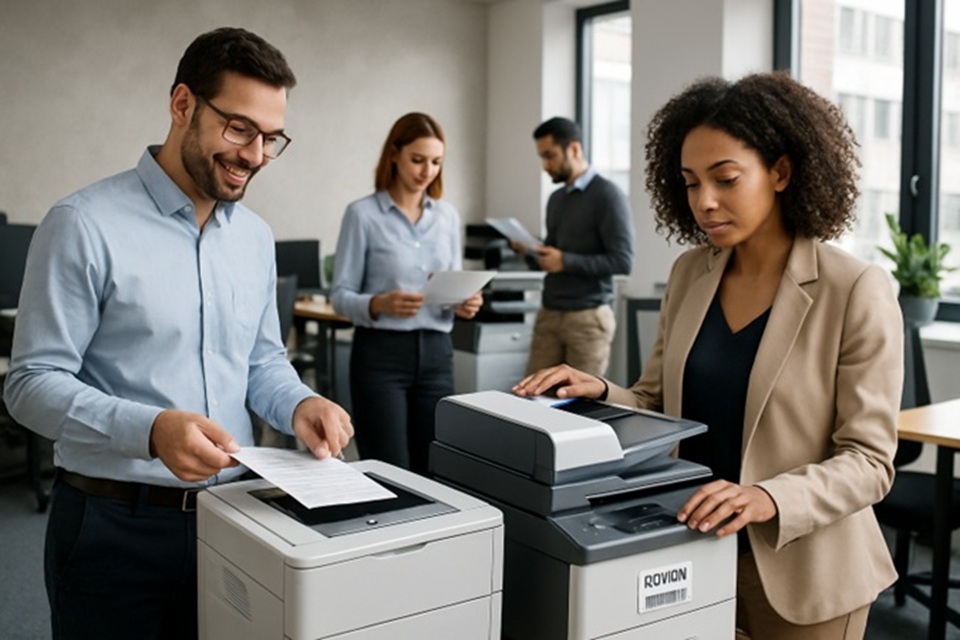
As businesses experience growth, their operational requirements can shift quickly. Office technology, especially printers, often needs to keep pace with expanding demands. For many organizations, choosing printer rentals over outright purchases makes sense because of the flexibility and efficiency they offer. Companies can access advanced printing technology through printer rentals, adjust equipment as their needs evolve, and minimize their initial financial outlay. This approach maximizes resource allocation and operational adaptability for growing offices. For reliable equipment options and support, companies like EverWorx offer specialized solutions for expanding businesses.
With all businesses aiming for agility in today’s fast-changing market, having the freedom to switch or upgrade equipment without being stuck with outdated assets is invaluable. Printer rentals offer a scalable, hassle-free route to keeping office workflows efficient while maintaining budget resilience.
Financial Flexibility
For many growing businesses, preserving cash flow is a key strategic consideration. Purchasing printers or copiers outright can entail a high upfront cost, diverting funds from other critical operational areas. Printer rentals spread costs over time through manageable monthly payments. This method keeps capital available for investments in staff, marketing, or other technology needs while still giving the office access to quality print devices that suit the business’s size and print volume. Leasing office equipment can be a wise move for businesses seeking financial agility and cost management.
Access To The Latest Technology
Printing technology continues to evolve, integrating faster speeds, better connectivity, and enhanced security features. Rental agreements typically make it easier for businesses to keep up with these changes. When newer models are released, rental customers can often switch their devices for ones with the latest features without the hassle of selling or recycling old devices. This means operations are not hampered by obsolete technology, and staff can benefit from the productivity boosts that come with upgraded tools. Many IT departments prefer rentals because they ease support for hybrid and remote working arrangements, where printing needs may change quickly. Staying current helps position a business as modern and efficient in the eyes of both clients and employees.
Maintenance & Support
Printer issues can quickly halt productivity. Rental plans typically include maintenance, repairs, toner replacement, and access to technical support. This means fewer disruptions and less need for in-house troubleshooting or expensive third-party repairs. Managed print providers monitor device performance, handle supply logistics, and proactively address issues before they impact workflow. This bundled support allows office managers and IT staff to focus on more strategic tasks, knowing their printing infrastructure is professionally managed.
Scalability
The pace and direction of business growth are not always predictable. A rental model provides the flexibility to scale up or down without being locked into multi-year device ownership. If your company expands to a new location, increases its workforce, or takes on a major new client, you can quickly add or swap devices to handle the increased printing demands. On the flip side, a seasonal reduction in business activity or a change in workflow might mean downsizing is needed, which is just as easy with rental agreements. This level of adaptability helps growing businesses maintain operational efficiency even as needs fluctuate.
Environmental Considerations
Increasingly, organizations aim to meet sustainability goals and minimize their environmental impact. Printer rental providers often support green initiatives by refurbishing returned equipment or responsibly recycling unusable parts. This lifecycle approach reduces electronic waste, conserves resources, and aligns with many companies’ corporate social responsibility commitments. Furthermore, new printer models generally offer better energy efficiency and eco-friendly consumables, helping create a cleaner, more sustainable office environment. For offices committed to lowering their carbon footprint, partnering with rental providers who prioritize environmental practices makes good business sense.
Potential Drawbacks
No business solution is entirely without downsides. Some potential drawbacks of printer rentals should be weighed carefully:
- Long-Term Costs: While monthly fees are easier to manage, the cumulative expense of long-term rentals may surpass the one-time cost of ownership over several years.
- Limited Customization: Rental agreements may restrict the office from modifying or customizing machines to meet unique requirements.
- Provider Dependence: Relying on the rental company for maintenance and repairs means disruptions can still occur if the provider is slow to respond or delivers suboptimal service. It is important to choose a provider with a strong reputation for support and responsiveness.
Conclusion
Printer rentals are an effective solution for growing offices seeking to balance cost, access, and adaptability. By renting rather than buying, businesses can benefit from predictable budgeting, timely access to the latest technology, and worry-free maintenance. Each company should assess its current workload, growth projections, and unique workflow needs when considering this option. When chosen wisely, printer rentals can empower a business to scale and operate more efficiently.