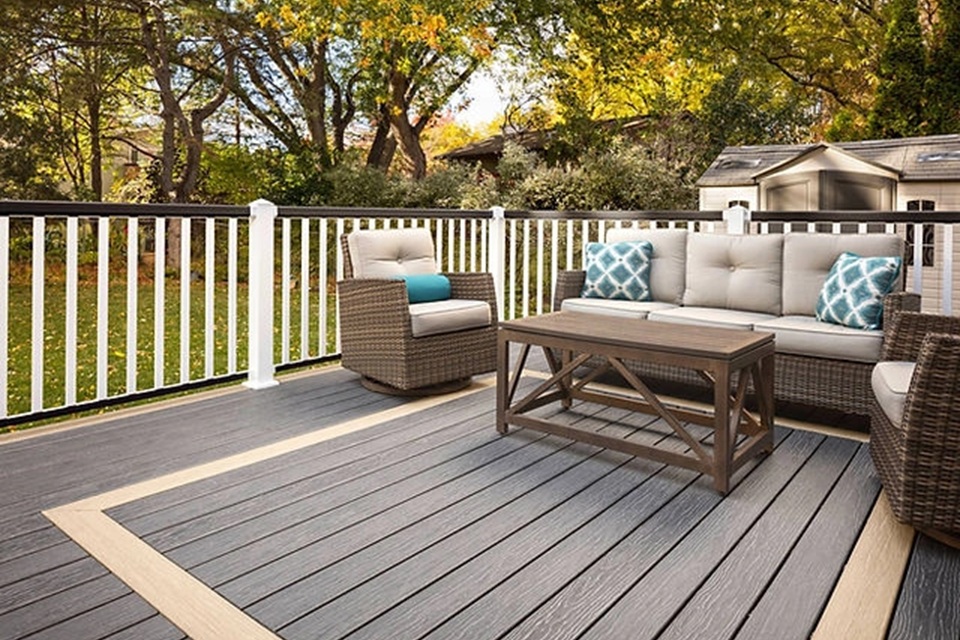
Key Takeaways:
- Deck additions generally offer an ROI between 65% and 85%, contingent on material choice and geographic location.
- Increased living space and home appeal are significant non-financial benefits of adding a deck.
- Material selection (such as wood or composite) affects both cost and required upkeep.
- Regular maintenance is vital to protect the deck’s appearance and long-term value.
Enhancing your home with a new deck can transform both its functionality and overall appeal. Not only does a well-designed deck expand your living space, but it can also increase your property’s value and provide a welcoming oasis for gatherings and relaxation. Many homeowners consider this addition as a versatile way to enjoy the outdoors while boosting their home’s marketability. If you are considering working with deck builders in Richmond, MA, understanding the true costs and potential return on investment is essential before committing to the project.
Evaluating whether a deck is a smart investment involves careful analysis of material options, ongoing maintenance requirements, and the specific dynamics of your local real estate market. For many, the enjoyment and usability gained from a new deck go beyond monetary returns, providing an inviting space to entertain guests or unwind after a long day. Homeowners should also factor in their outdoor living goals and how a deck could enhance their property’s everyday use.
Before hiring a contractor or breaking ground, consider how local preferences and climate affect the effectiveness and value of outdoor spaces in your region. Some areas, such as parts of the Northeast and Midwest, experience seasonal swings that impact how much you can utilize a deck each year. Consulting with local professionals can help tailor your design to your unique needs and landscape.
Homeowners may also glean insight from national research, like the annual Cost vs. Value Report by Remodeling Magazine, which tracks the financial performance of popular renovation projects across the U.S. These resources offer helpful benchmarks for what to expect from a deck addition.

Understanding The Financial ROI Of Deck Additions
Constructing a deck typically offers one of the highest returns on investment among outdoor home improvement projects. On average, property owners can expect to recoup between 65% and 85% of their construction costs during resale, a figure that varies with regional trends and material choices. Cities and suburbs where outdoor living is highly valued may see even greater returns, especially with professionally installed decks that blend seamlessly into the existing architecture. For instance, homes in metro Atlanta have reported recouping as much as 80% of a deck’s cost after selling.
Beyond initial costs, consider how an inviting outdoor space might tip the scales for buyers comparing similar properties. Real estate agents often note that a thoughtfully designed deck is a sought-after feature, potentially leading to a quicker, higher-priced sale. However, over-customization can narrow a home’s appeal, so balance personal touches with features that attract a broad buyer pool.
Enhancing Living Space & Home Appeal
Decks aren’t just about financial gain. They offer a practical solution to optimizing your property’s footprint by expanding living space outdoors. Whether you’re hosting a summer barbecue, savoring your morning coffee, or creating a play area for children, a deck invites year-round enjoyment. This functional outdoor addition can serve as a seamless bridge between home interiors and gardens, patios, or pools.
In markets where outdoor entertaining and relaxation are prized, homes with established decks often outperform those without. Potential buyers will appreciate a ready-made retreat, and a well-maintained deck can create a memorable first impression. For these reasons, many homeowners prioritize a deck as a versatile and attractive upgrade.
Material Choices: Wood Vs. Composite
Selecting the right materials is critical and impacts both the upfront investment and ongoing care requirements. Natural wood, like pressure-treated lumber or cedar, is a classic choice with warm, traditional aesthetics. Wood decks usually boast a higher ROI due to their lower initial cost, but they need regular maintenance, such as cleaning, staining, or sealing, to prevent weathering and decay.
Composite decking has grown in popularity for its low-maintenance appeal. Made from a blend of plastics and wood fibers, composite decks resist fading, rot, and insect damage. Although the initial price is typically higher, long-term savings on upkeep make this option attractive for many families. Whichever material you choose, ensure it complements your home’s overall look and meets your desired level of care commitment.
Maintenance Considerations
The value that a deck adds depends heavily on its ongoing condition. Neglect can lead to visible deterioration, reducing both enjoyment and resale potential. For wood decks, plan on annual cleaning and periodic sealing or staining. Composite decks require less attention, usually just routine cleaning with mild soap and water.
Set a regular inspection schedule to look for loose boards, rusted hardware, or structural weakness. Addressing these issues early extends your deck’s lifespan and helps safeguard your investment.
Regional Factors & Climate Impact
Where you live plays a significant role in how much value a deck adds to your home. In regions with temperate climates and extended outdoor seasons, such as parts of Utah, the return on investment can be notably high. In poorer weather areas, decks may still add value but could be used more intermittently.
Think about how your area’s rainfall, temperature swings, and sunlight exposure will influence both your deck’s usability and maintenance requirements. Proper design, including shade coverings, drainage, and material selection, can help adapt the structure for your local climate.
Design & Customization
Custom features, like built-in seating, planters, or outdoor kitchens, can set your deck apart. Still, moderation is key. Tailor your deck’s design with lasting market appeal in mind. Simplicity and flexibility in layout and finish attract more future buyers and may optimize your project’s return, while over-customization or highly personal design choices can limit interest come resale time.
Conclusion
Building a deck can be a wise investment, offering lasting enjoyment and strong financial returns. By carefully selecting materials, planning for ongoing upkeep, and designing with regional trends and broad appeal in mind, homeowners can craft an inviting outdoor living area that enriches daily life and adds measurable value to their property.