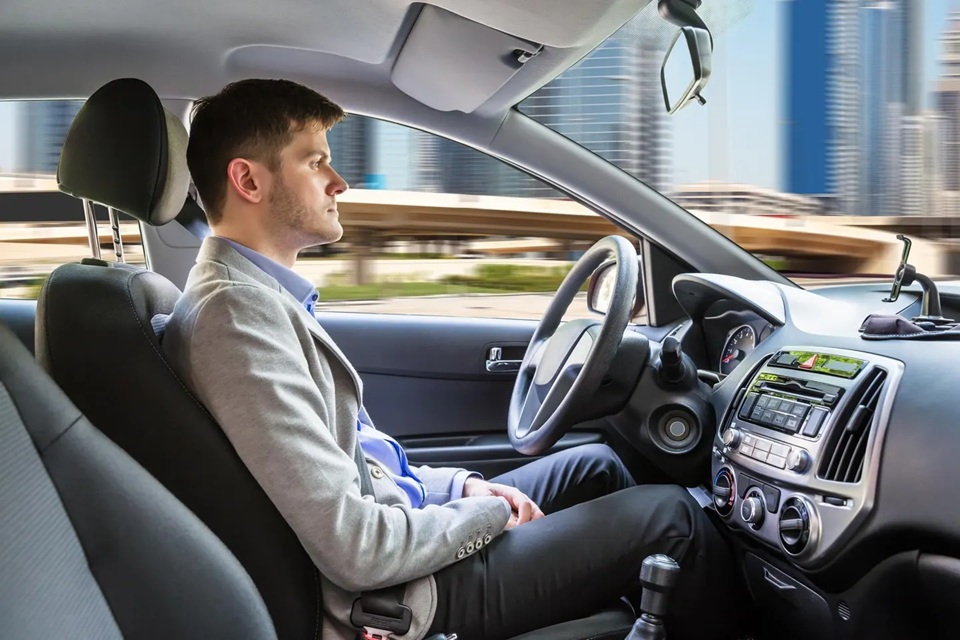
- Autonomous vehicles are set to revolutionize mobility, offering safer and more efficient transportation options.
- AI-powered in-cabin systems are personalizing the driving experience, making vehicles more responsive to individual needs.
- Connected vehicle technologies are improving traffic management and reducing congestion.
- Data privacy concerns are emerging as vehicles collect more personal information.
Personal transportation is undergoing a fundamental shift as technology increasingly integrates into how we drive and interact with vehicles. Innovative technology is no longer just about better engines or sleeker designs; it is about crafting an entirely new driving experience that focuses on safety, connectivity, personalization, and efficiency. Learn more about how these innovations are transforming the road ahead and what drivers can expect from their vehicles in the coming years.
With advancements in automation, artificial intelligence, and network connectivity, vehicles are becoming more intelligent and better attuned to both the driver’s needs and the broader transportation ecosystems they operate within. As these technologies become mainstream, they promise to change daily commutes, urban mobility, and even how we think about car ownership itself, setting the stage for a safer, more efficient, and more personalized driving future.
As automakers race to develop self-driving cars, the vehicles of tomorrow are being built to optimize every aspect of mobility. This transformation extends far beyond hardware, as intelligent software platforms bring new capabilities to the driver’s seat. Yet while the benefits are substantial, these technological leaps also raise important questions around safety, ethics, and privacy.
Industry leaders from both tech and automotive backgrounds are investing heavily in these intelligent systems, pushing the boundaries of what vehicles can do and how drivers interact with them. The potential for these technologies to revolutionize traffic flow, resource consumption, and urban design is substantial, offering hope that smarter vehicles can help address challenges like congestion, pollution, and even road fatalities.
Autonomous Vehicles: Redefining Mobility
Autonomous vehicles (AVs) are at the center of the transportation revolution. By blending powerful sensors, cameras, radar, and real-time data analysis through artificial intelligence, these self-driving vehicles can detect obstacles, understand complex environments, and maneuver safely with limited human intervention. Industry front-runners like Waymo and Tesla are pioneering robotaxi services, bringing us closer to a world where owning a car may become a choice rather than a necessity. The promise of reduced accidents, fewer traffic jams, and accessible travel for those unable to drive has put AVs squarely in the spotlight for public and private investment. Read more about how autonomous vehicles are changing mobility on The New York Times.
Despite the enthusiasm, several barriers remain before AVs become a fixture of everyday life. As of 2025, most self-driving services continue to operate at a financial loss, weighed down by higher development and infrastructure costs than traditional car ownership. Safety is a top priority, as regulatory scrutiny intensifies and cities work to adapt infrastructure to accommodate a mix of autonomous and traditional vehicles.
AI-Powered In-Cabin Systems
The application of artificial intelligence inside the vehicle is perhaps even more transformative, turning ordinary commutes into personalized, intuitive experiences. Modern cars use AI to monitor driver states, recognize voices, anticipate needs, and even celebrate personal events. At CES 2026, innovations like Nvidia’s occupant recognition and Bosch’s interactive cabin extensions demonstrated how in-cabin AI can make vehicles true companions. This technology not only increases comfort and convenience but also enhances safety, helping prevent distracted or drowsy driving through real-time alerts. It also enables the cabin AI to adapt environmental settings like temperature, music, and navigation to suit individual preferences, ultimately enhancing driver wellness and satisfaction. As these features become more advanced, manufacturers are leveraging cloud-based learning to synchronize behaviors across a driver’s digital life, making the driving environment an extension of the connected home.
Connected Vehicle Technologies
Smart connectivity is driving efficiency gains on a city-wide scale. Connected vehicles rely on sensors and wireless communication to share information with other cars, traffic signals, and infrastructure, creating a web of real-time data that enhances safety and streamlines traffic management. By warning drivers about hazardous road conditions or upcoming congestion, vehicles help avoid accidents and save time on the road. Such connectivity is poised to reduce urban traffic congestion by up to 30 percent by 2030, translating into substantial economic and environmental savings for cities worldwide. See Bloomberg’s coverage for more on how smart cars are changing urban and transportation life in towns.
Vehicle-to-everything (V2X) technology can enable cities to shift from reactive traffic management to a proactive, predictive approach. Municipal leaders and city planners are already exploring how a network of smart, connected vehicles can reduce pollution, energy use, and travel delays, making urban spaces more livable.
Data Privacy Concerns
Greater connectivity comes with a growing responsibility to protect personal data. As vehicles increasingly store detailed information about driver habits, preferences, and even biometric data, concerns about data privacy are mounting. Automakers and technology companies find themselves under increasing scrutiny, urged to adopt transparent data practices and robust security measures. While vehicles may be perceived as private spaces, the sensitive nature of the data being collected necessitates clear guidelines for collection, storage, and sharing.
Regulatory bodies are beginning to address these ethical challenges, but with technology evolving quickly, some argue that regulation is not keeping pace with innovation. Establishing strong industry standards and informing consumers about their data rights will be crucial as smart technology becomes ubiquitous in personal transportation.
Conclusion
The evolution of personal transportation through smart technology is pushing the boundaries of what’s possible, promising a future where vehicles are safer, more efficient, and deeply tailored to individual needs. The path forward will require a careful balance between embracing technological advancements and addressing issues such as privacy and ethical use of personal data. By working together, automakers, technology leaders, cities, and consumers can ensure that the future of mobility is both innovative and responsible.