
- Rule 10b5-1 plans create legal safe harbors that enable insiders to trade stock according to a predetermined schedule or set of instructions.
- Amendments implemented by the SEC now require cooling-off periods, stricter disclosure, and ongoing good faith participation.
- Comprehensive documentation, clear communication with legal counsel, and regular reviews are critical for maintaining the protection these plans provide.
Rule 10b5-1 trading plans offer a structured and defensible way for company insiders to purchase or sell their company’s stock, even when they may possess material nonpublic information (MNPI). These plans are an important legal tool that helps executives, directors, and other insiders maintain compliance with securities laws while strategically managing their stockholdings. For those wanting to explore setting up 10b5-1 trading plans, understanding current requirements and best practices is crucial. The establishment and management of these plans can help foster transparency, investor trust, and the long-term health of the marketplace.
Rule 10b5-1 plans are most effective when their parameters prevent MNPI from influencing trading decisions. With recent SEC updates tightening requirements, company insiders need clear processes and robust documentation to ensure proper implementation. As regulatory expectations evolve, the role of legal and compliance teams has grown more important, guiding insiders through plan creation and ongoing monitoring to avoid legal or reputational risk. Executives must also consider how public perception of their trading activity impacts the company’s reputation. Following these best practices not only ensures regulatory compliance but also helps in upholding the company’s integrity and credibility with investors and the broader market. Detailed knowledge of 10b5-1 plan mechanics, as well as an understanding of recent rule changes, is indispensable for any insider looking to manage personal finances through company equity proactively.
Understanding Rule 10b5-1 Plans
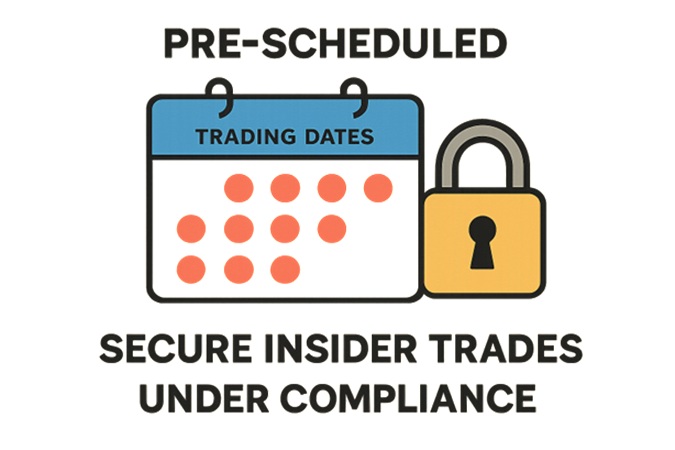
Rule 10b5-1, established by the Securities and Exchange Commission, provides a mechanism for company insiders to plan and execute trades in accordance with predetermined instructions, timing, or formulas. The fundamental goal is to legally insulate insiders from allegations of trading while in possession of material nonpublic information. By setting the specifics of trades in advance and then relinquishing direct control, insiders can demonstrate that transactions are not based on any confidential information they may learn after the plan is established. Plans must be adopted in good faith, at a time when the insider does not have MNPI.
Recent SEC Amendments
In December 2022, the SEC issued significant amendments to Rule 10b5-1, aiming to limit the risk of misuse further and bolster investor confidence. The most notable change is the imposition of mandatory cooling-off periods: a minimum of 90 days for directors and officers and at least 30 days for other insiders before trading can begin under a new plan. This interval is designed to reduce the risk of trades made based on sensitive information acquired before plan initiation. Insiders are also required to act in good faith throughout the life of the plan, not just at inception. There are now also strict limitations on having multiple or overlapping plans. Only one single-trade plan is permitted in any 12 months.
Steps To Establish A Compliant Plan
- Consult Legal and Compliance Teams: The first step in setting up a Rule 10b5-1 plan is engaging with your legal and compliance specialists. Their guidance ensures the plan’s structure aligns with the latest requirements and complies with company policy.
- Define Trading Parameters: The plan must spell out or utilize specific formulas to identify trade dates, amounts, and prices. It should be designed so that future trades occur automatically, with the insider unable to influence individual transactions once the plan is active.
- Implement Cooling-Off Periods: Observe the mandated waiting periods before trades begin. Ensure this requirement is incorporated into the plan documentation.
- Document the Plan: Comprehensive, clear documentation demonstrates intent and compliance in the event of SEC review or legal inquiry.
- Regular Review: Periodically revisit your plan with your legal counsel and compliance teams. Regular assessment ensures the plan continues to align with regulations and your company’s needs.
Common Pitfalls & How To Avoid Them
- Plan Modification at the Wrong Time: Changing your plan while in possession of MNPI will undermine its legal protection. Always make changes in consultation with your legal team and only during authorized windows.
- Multiple Plans: Creating multiple or overlapping plans may give the appearance of abusing the safe harbor and is now limited by SEC amendments. Stick to a single, comprehensive plan unless compliance advises otherwise.
- Bad Faith Participation: Failure to comply with your plan’s terms, or actions suggesting an intent to manipulate outcomes, can eliminate the legal protections in place. Maintain transparency and proactive communication throughout.
Importance Of Documentation
The value of robust documentation cannot be overstated. Detailed records support your affirmative defense and clarify the rationale behind each key decision. Documentation should include the full plan, the timing and scope of any amendments, and a record of all relevant meetings or consultations with legal and compliance personnel. This creates a clear paper trail that can be invaluable if your trades come under scrutiny.
Role Of Legal & Compliance Teams
The expertise of legal and compliance professionals is fundamental to successfully adopting and maintaining a Rule 10b5-1 plan. These teams ensure all regulatory requirements are met, assist in plan drafting, monitor plan activity, and provide ongoing education to insiders. Their involvement reduces the chance of errors, fosters consistency, and ensures prompt responses to regulatory changes.
Monitoring & Reviewing The Plan
Regular review and diligent monitoring ensure the plan remains compliant as regulations evolve and company circumstances shift. Plan performance should be assessed against both regulatory and business objectives, and any updates to the plan must be timely and well-documented. Ongoing employee and executive education regarding Rule 10b5-1 plans strengthens compliance and minimizes unintended violations.
Conclusion
Adopting a Rule 10b5-1 trading plan provides company insiders with a powerful mechanism to manage stock transactions with confidence and in compliance with the law. Adhering to the SEC’s evolving guidelines, prioritizing documentation, and leveraging the knowledge of legal and compliance teams helps mitigate risk and foster integrity for insiders and the broader market. The combination of diligent planning, periodic review, and transparent record-keeping makes these plans a cornerstone of responsible insider trading policy.