Key Takeaways:
- HDPE and PEX pipes are replacing traditional materials due to their strength and adaptability.
- Sustainability in plumbing now prioritizes recycled, biodegradable, and low-impact materials.
- Smart plumbing devices and water-saving fixtures help conserve resources and protect building occupants.
- Trenchless pipe installation techniques minimize disruption and environmental impact in urban development.
- Antimicrobial piping and water treatment measures address the demand for safer, healthier plumbing systems.
Staying on top of advancements in water supply materials is essential for contractors, engineers, and homeowners alike. The evolving landscape of modern construction calls for materials and technologies that deliver efficiency, sustainability, and long-lasting results. Whether developing a new residential complex or renovating a commercial site, recognizing emerging innovations is key to building reliable plumbing systems. With today’s heightened focus on environmental responsibility and operational efficiency, selecting the right supplier is just as important as choosing the best materials. For those in the Southeast, there are numerous industrial suppliers in North Carolina offering cutting-edge solutions to meet the needs of next-generation projects.
Recent trends indicate accelerated adoption of advanced materials, automation, and eco-friendly practices. Influence from both regulatory and market-driven initiatives ensures that water conservation, durability, and user health are all at the forefront of product development. By understanding these ongoing shifts, construction professionals can design systems that not only perform well but are also sustainable for decades to come.
Advanced Materials Enhancing Durability & Flexibility
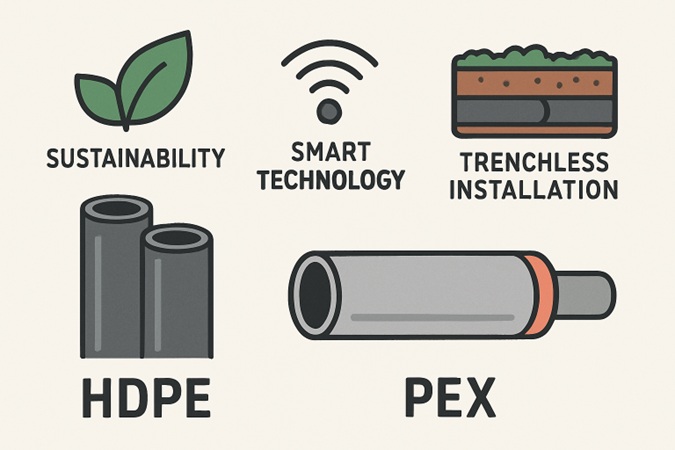
The market for water supply materials has seen a significant shift away from traditional plumbing metals such as copper and galvanized steel toward alternatives that prioritize durability. High-Density Polyethylene (HDPE) pipes offer notable advantages, including corrosion resistance, flexibility, and a relatively easy installation process, while reducing ongoing maintenance requirements. Construction sites are increasingly recognizing the merits of Cross-Linked Polyethylene (PEX) piping, which stands out for its ability to manage extreme temperatures and support both hot and cold water lines. These materials also help reduce labor costs and installation times, making them ideal for fast-paced projects. Additional information about these pipe technologies can be found in the Architectural Digest overview.
Sustainable Practices In Plumbing Materials
Environmental stewardship is central to today’s construction industry. The adoption of recycled plastics, low-VOC materials, and even biodegradable piping reflects a growing commitment to sustainability in plumbing systems. Notably, installing PEX pipes results in less material waste and increased energy efficiency, thanks to their superior insulation properties compared to traditional materials. Industry leaders are also exploring innovations such as pipes made from bioplastics and reclaimed materials, which further contribute to the circular economy and reduce the carbon footprint of large-scale developments.
Integration Of Smart Plumbing Technologies
Smart plumbing systems combine automation with intelligent design to boost efficiency and reduce water waste. Touchless faucets, leak detection devices, and digitally controlled temperature regulators now feature prominently in new building projects. Many of these technologies use sensors to optimize water flow and prevent unnecessary usage, improving both convenience and hygiene. Upmarket installations may also include comprehensive water-monitoring platforms accessible via mobile devices, allowing property owners to exercise real-time control. For more on emerging smart home plumbing solutions, visit WIRED.
Adoption Of Trenchless Technology For Pipe Installation
Urban expansion and the renovation of aging infrastructure often require installing new water supply lines with minimal surface disturbance. Trenchless technologies, such as cured-in-place pipe (CIPP) lining and slip-lining, allow contractors to repair or replace pipes without major excavation. This approach not only reduces costs associated with site restoration but also shortens project timeframes and reduces environmental disruption, a major advantage in city centers and established residential neighborhoods.
Emphasis On Water Conservation & Efficiency
Modern construction standards are increasingly aligned with global efforts to conserve water. EPA WaterSense-certified fixtures exemplify this shift by offering toilets, showerheads, and faucets that achieve water savings without compromising performance. Integrating such fixtures can dramatically reduce utility consumption, resulting in cost savings and allowing projects to qualify for green building certifications.
Incorporation Of Greywater & Rainwater Harvesting Systems
To further mitigate demand on potable water supplies, many new developments are designed with greywater recycling and rainwater harvesting infrastructure. These systems allow water from sinks, showers, and rooftop runoff to be cleaned and reused for non-potable applications such as irrigation and toilet flushing. By reducing reliance on municipal water, builders not only lower operational costs but also boost long-term sustainability.
Use Of Antimicrobial Plumbing Materials
Amid growing public health awareness, antimicrobial plumbing products are becoming a staple in healthcare facilities, schools, and residential properties. These materials are engineered to inhibit bacterial buildup and biofilm formation in pipes, which can pose serious health risks if left unchecked. Incorporating such technologies ensures safer drinking water and reduces the need for chemical treatments within the water supply system.
Conclusion
The transformative impact of advanced plumbing materials, smart technology integration, and water conservation initiatives marks a new era in modern construction. By staying attuned to these trends and choosing materials that offer both performance and sustainability, the industry is equipping itself for a future in which water supply systems are more reliable, efficient, and environmentally friendly. This holistic approach not only benefits builders and occupants but also supports the broader goal of responsible resource management.