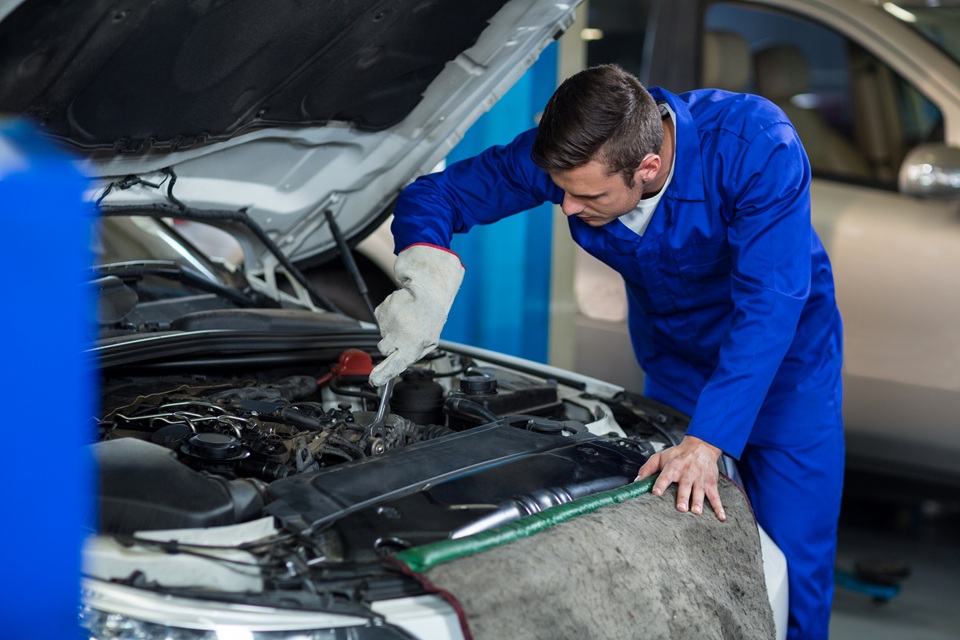
Maintaining your vehicle’s alternator is integral to keeping your automobile running smoothly. As the part responsible for powering all electrical systems and keeping your battery charged, alternator health cannot be overlooked. Whether you are experiencing issues or simply want to prevent future breakdowns, understanding how to maintain your alternators is key to vehicle longevity.
Neglecting alternator maintenance can lead to costly repairs and unexpected disruptions. Regular checks and timely service are crucial to avoid dealing with intermittent power losses or being stranded. Even minor issues, if left unchecked, can rapidly escalate into expensive problems requiring professional intervention.
Learning to identify early warning signs or establishing a maintenance routine can save time and money down the road. Investing a little attention now ensures that your vehicle remains ready for daily commutes or long journeys. For those seeking expert diagnosis and repairs, visiting an alternator shop can provide specialized support and guidance.
Understanding The Role Of The Alternator
The alternator is one of the most important components in your vehicle’s electrical system. Its function is to convert mechanical energy produced by the engine into electrical energy. This energy powers everything from headlights to heated seats, dashboard instruments, and the radio. Furthermore, it recharges the battery every time the car is running, ensuring that the electrical system has a reliable energy supply and that the battery is ready to start the engine at your next use. If the alternator fails or becomes unreliable, you may experience frequent electrical issues or persistent battery problems.
Signs Of A Failing Alternator
Recognizing the early warning signs of alternator trouble can help you avoid inconvenient breakdowns. Some of the most common symptoms of alternator failure include:
- Dimming or flickering headlights, particularly when using other electrical devices simultaneously
- Unusual noises emerging from the engine, often grinding or whining sounds
- Dashboard warning lights, sometimes displaying as a battery icon or “ALT” warning
- Difficulty starting the car, or the engine cutting out unexpectedly
Addressing these signs early is important. Ignoring them can lead to larger issues, such as the complete loss of electrical power or a dead battery, which can leave you stranded.
Regular Visual Inspections
Routine visual inspections are one of the simplest and most effective ways to catch alternator problems before they evolve. Check the belt that drives the alternator for cracks, fraying, or signs of excessive wear. Examine all wiring connections to ensure they are secure and look for corrosion or residue around the terminals. Early detection of these warning cues allows you to address or repair issues before they affect the alternator’s operation. Applying a preventative approach can be especially useful in regions with temperature extremes or high humidity, which can speed up wear and corrosion.
Maintaining Belt Tension & Condition
The alternator relies on a drive belt to function properly. If this belt is loose, stretched, or deteriorating, it can cause inefficient alternator performance, produce noises, or result in complete failure. Regularly check the belt’s tension by gently pressing it. It should not deflect more than about half an inch. Replace belts at the first signs of visible damage or cracks to ensure consistent alternator function and reduce the risk of unexpected breakdowns. For more details on proper belt inspection and maintenance schedules, the O’Reilly Auto Parts guide to alternator issues provides step-by-step advice.
Cleaning The Alternator
Keeping your alternator clean is another important part of regular maintenance. Dust, dirt, oil, and road debris can accumulate on and around the alternator, impeding its cooling function and leading to overheating or reduced lifespan. To clean it, use a soft dry brush or compressed air to gently remove debris. When in doubt, avoid using water or harsh chemicals that can damage internal parts. Keeping vents and cooling fins clear is especially important during hot weather, as overheating can quickly lead to alternator failure.
Monitoring Electrical Load
Modern vehicles come equipped with a variety of electrical components that all draw power from the alternator. Using multiple high-drain devices at once, particularly while idling, can overload the alternator. Limiting the number of accessories, such as air conditioning, lights, stereos, dash cams, and phone chargers running simultaneously, can relieve stress on the alternator and extend its life. For more details on how electrical loads impact vehicle systems, the article from Cars.com on common alternator problems explains this relationship further.
Keeping The Battery Healthy
A weak or faulty battery forces the alternator to work harder to maintain an adequate charge. Regularly test your battery’s condition, either with an at-home tester or at a service center. Clean any corrosion off the battery terminals, and ensure the cable connections are tight. If the battery struggles to hold a charge or the car is slow to start, it may be time to replace the battery. Proactively maintaining the battery directly supports the longevity of the vehicle’s alternator and overall electrical health.
Professional Servicing
While many alternator checks can be carried out at home, it is wise to schedule periodic professional evaluations. Certified technicians can perform advanced diagnostic tests, such as voltage output tests and load assessments, which help catch subtle or hidden issues. These professionals can also provide guidance on proper maintenance intervals and help source parts if repairs are necessary. Periodic service ensures that your alternator and your vehicle’s entire electrical system remain in top condition over time.
In summary, regular attention to your alternator’s maintenance and prompt action when issues arise are vital to keeping your vehicle reliable and your trips worry-free. Whether you prefer hands-on maintenance or expert servicing from a specialized shop, these tips can help prevent breakdowns and extend your vehicle’s life.