Key Takeaways:
- Assess your fitness needs and available space to create a functional home gym.
- Incorporate innovative technology and design elements that enhance motivation and usability.
- Consider outdoor spaces to expand your workout environment.
- Select equipment that aligns with your fitness goals and considers your space constraints.
- Focus on lighting, ventilation, and aesthetics to create an inviting atmosphere.
Creating a home gym tailored to your lifestyle can transform your fitness routine, offering convenience and personalization. This guide explores key considerations and innovative ideas to help you design a space that motivates and supports your health goals. For expert guidance on home gym design, consider consulting with DivFit, a leader in creating personalized fitness spaces that blend functionality with style. DivFit specializes in luxury home wellness, focusing on designing spaces that strike a balance between architecture, performance, and personalization. Their services extend beyond residential projects to include HOA gyms, community gyms, and corporate office gyms, ensuring a comprehensive approach to fitness space design.
Assessing Your Space & Needs
Begin by taking a careful look at the space available in your home for a workout area. This might be a spare bedroom, an unused corner of your basement, or even a dedicated portion of your living room. Measure the dimensions and note any limitations, such as low ceilings or narrow doorways. Understanding how much room you truly have helps you plan effectively. Next, consider your specific fitness goals—strength training, cardio, yoga, or a combination—to select equipment and design a layout that supports both comfort and consistent progress every day.
Integrating Smart Technology
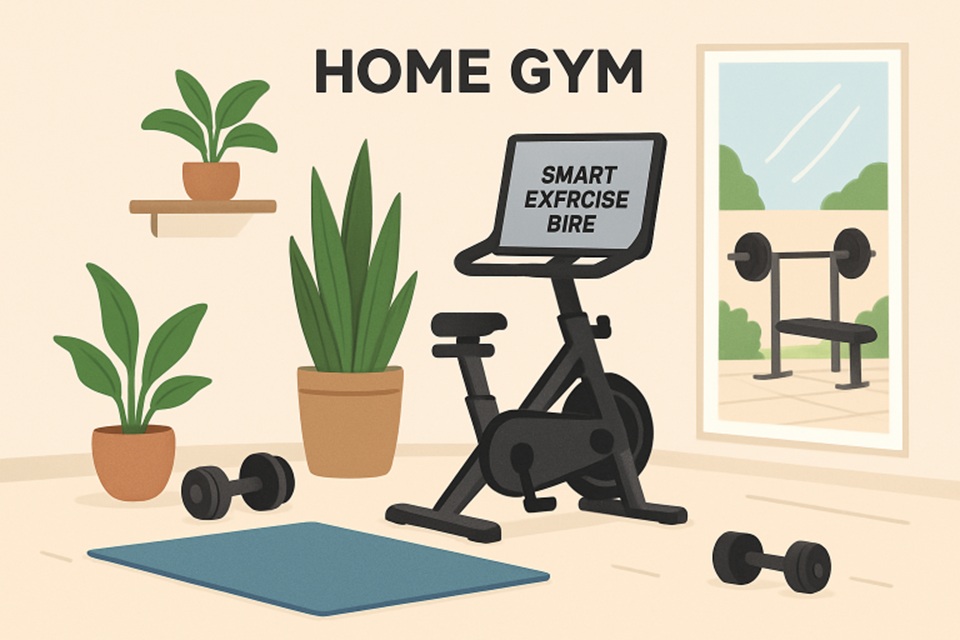
Modern home gyms benefit greatly from innovative technology. Equipment with built-in screens, AI-driven training programs, and virtual reality workouts can enhance your exercise experience. For instance, treadmills that adjust their incline and resistance based on your heart rate, or bikes that simulate real-world terrains, can make workouts more engaging and effective.
Designing For Motivation
The aesthetics of your home gym greatly influence your motivation and overall workout experience. Choose a cohesive color palette, textures, and finishes that harmonize with the existing style of your home to create a space that feels intentional and visually balanced. Incorporating natural light, whether through windows or reflective surfaces, helps create a warm, energizing atmosphere that supports regular exercise. Thoughtful hidden storage solutions maintain a clutter-free environment, reducing distractions and improving focus. Additionally, selecting modular equipment provides flexibility to adjust workouts as your fitness needs evolve. This creates a more motivating and personalized workout environment.
Expanding To Outdoor Spaces
Consider extending your workout area to the outdoors by creating a space that enhances both your fitness routine and overall well-being. Adding an open-air yoga deck invites calm, meditative sessions surrounded by natural light and fresh air. A resistance swim zone can provide low-impact, full-body training that complements indoor workouts. For recovery, a cold plunge pool offers invigorating benefits and promotes muscle rejuvenation. These outdoor elements can be thoughtfully integrated into your backyard’s layout, ensuring the design feels cohesive, functional, and visually appealing while expanding the variety and enjoyment of your daily exercise options overall.
Selecting The Right Equipment
Select fitness equipment that clearly supports your specific goals, whether you’re aiming to build strength, improve endurance, or enhance flexibility. Consider the dimensions of your workout area to ensure each item fits comfortably without restricting movement. Multi-functional machines are beneficial because they consolidate several exercises into one compact unit, maximizing space efficiency. Prioritize durable, well-constructed equipment that matches your preferred training style, as using tools you genuinely enjoy increases consistency and motivation. Investing in suitable, high-quality gear helps maintain motivation, prevents injury, and supports long-term progress. This thoughtful approach ensures a more effective and enjoyable routine.
Focusing On Lighting & Ventilation
Proper lighting and ventilation are essential for a comfortable workout environment. Natural light can boost mood and energy levels, while adequate ventilation ensures fresh air circulation, keeping the space comfortable during intense workouts. Consider installing mirrors to enhance lighting and create a sense of spaciousness.
Personalizing Your Space
Adding personal touches can transform your home gym into a more inviting and energizing environment. Consider incorporating items that reflect your style, such as motivational quotes that uplift you during challenging workouts, artwork that sparks positivity, or plants that bring a sense of calm and freshness. These elements help create a space that feels uniquely yours, making each workout more enjoyable and personalized. When your gym reflects your personality and inspires you visually, it becomes easier to stay committed to your fitness goals and keeps you returning consistently.
Conclusion
Designing a home gym that suits your modern lifestyle involves thoughtful planning and personalization. By assessing your space, integrating technology, focusing on design elements, and selecting appropriate equipment, you can create a motivating and functional workout environment. For expert guidance on home gym design, consider consulting with DivFit, a leader in creating personalized fitness spaces that blend functionality with style. DivFit specializes in luxury home wellness, focusing on designing spaces that strike a balance between architecture, performance, and personalization. Their services extend beyond residential projects to include HOA gyms, community gyms, and corporate office gyms, ensuring a comprehensive approach to fitness space design.