Key Takeaways:
- Early dental visits help lay the groundwork for a lifetime of oral health.
- Preventive strategies such as sealants and fluoride treatments can make a significant difference, especially for children.
- Consistent dental check-ups and good oral hygiene are crucial for adults and seniors alike.
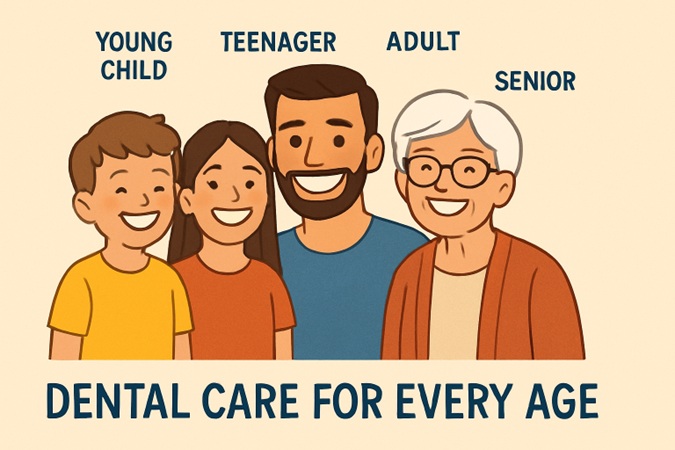
Oral health is a vital component of overall wellness at every stage of life, from early childhood through the senior years. Establishing gentle, proactive dental care habits from a young age can help prevent many oral health issues later in life. Whether you are concerned about childhood cavities or are seeking advice about dealing with loose teeth in older adults, understanding age-appropriate dental care is the first step toward a healthier smile for everyone in your family.
The foundation of lifelong oral health is built early, but it requires ongoing attention and adjustments as we age. Preventive dental practices, thoughtful nutrition choices, and regular dental visits are essential to maintaining healthy teeth and gums throughout life. Access to dental care, whether in urban centers or underserved communities, also plays a key role, ensuring that every individual, regardless of age or background, has the tools and resources to protect their smile.
Throughout this guide, you will learn about the key strategies recommended for infants, children, teens, adults, and seniors. These include preventive interventions, such as sealants and fluoride treatments, and guidance on adjusting home care routines as you age. By following expert recommendations, families can reduce the risk of tooth decay, gum disease, and other dental problems at every stage of life.
Starting Early: Pediatric Dental Care
Introducing children to dental care at an early age is the first step toward lifelong oral health. The American Dental Association recommends that a child’s initial dental visit occur within 6 months of the first tooth appearing or by the time of their first birthday. These early visits serve two important purposes: identifying potential issues before they become serious and fostering a positive attitude toward oral hygiene and dentist visits.
In recent years, dental experts have observed an increase in childhood cavities, particularly among children aged 6 to 11. To counteract this trend, pediatric dentists recommend the easy-to-remember “2-2-2 rule”: see the dentist twice yearly and brush and floss twice daily for at least 2 minutes each time. Studies indicate that using this routine can prevent up to ninety percent of cavities, helping families avoid pain and costly dental procedures.
Preventive Measures: Sealants & Fluoride Treatments
Preventive dental care is highly effective in reducing the incidence of tooth decay. Two of the most valuable preventative interventions for kids are dental sealants and fluoride applications. Sealants are thin, durable coatings that dental professionals apply to the chewing surfaces of back teeth. They serve as a strong barrier, keeping harmful bacteria and food particles from causing cavities in hard-to-clean areas. Fluoride treatments, meanwhile, strengthen tooth enamel, making it more resilient to acid erosion and decay.
Research conducted by the Centers for Disease Control and Prevention confirms the benefits of these measures, reporting that school-aged children without sealants are almost three times more likely to develop cavities than those with sealant protection. Making sealants and fluoride a regular part of pediatric dental care can significantly lower cavity rates and establish a strong precedent for preventive care as children grow.
Adolescent & Adult Dental Care
Maintaining oral health does not end with childhood. As children transition into their teen years and adulthood, the importance of diligent dental care remains. Teenagers often encounter new oral health risks, such as those linked to orthodontic treatments, sports injuries, and increased sugar intake. Consistent home care, including twice-daily brushing with fluoride toothpaste and daily flossing, reduces the risk of cavities and gum disease.
Adults should continue to prioritize biannual dental visits. These appointments provide an opportunity for professional cleanings, oral cancer screenings, and early detection of issues such as gum disease or worn dental restorations. Smoking, poor diet, and medical conditions like diabetes can all have detrimental effects on oral health, making personalized care and open communication with your dental team essential.
Special Considerations For Seniors
Aging brings unique oral health challenges. Seniors may be more vulnerable to problems such as gum disease, dry mouth (often caused by medications), root decay, and tooth loss. These changes can impact nutrition, overall well-being, and quality of life. Regular dental visits help seniors address these issues and proactively manage their oral health.
For seniors who experience tooth loss, dentures or dental implants can help restore both function and appearance, supporting self-confidence and daily enjoyment of food. Caregivers and loved ones should be attentive to oral hygiene, especially for seniors who may have difficulty brushing and flossing independently. Prevention remains key, including gentle cleaning, fluoride toothpaste, and frequent dental professional assessments.
Access To Dental Care
Access to dental care is an ongoing challenge for some families and seniors, especially in underserved communities. Many organizations and programs are dedicated to bridging this gap by providing educational resources and preventive services. For instance, the Georgia Dental Association actively mobilizes dental practitioners each year to deliver education and free care during Children’s Dental Health Month, making an impact for families across the state.
Final Thoughts
Gentle dental care is an ongoing commitment, starting from infancy through to the senior years. Cultivating healthy dental habits, accessing preventive treatments, and maintaining regular dental appointments are effective strategies for preserving a healthy smile at every stage of life. By prioritizing dental health for yourself and your loved ones, you ensure a foundation of wellness that lasts a lifetime.