Key Takeaways:
- Personal safety is the first priority before re-entering a damaged property.
- Accurate documentation of damages is essential for successful insurance claims.
- Review and understand your insurance policy to maximize coverage benefits.
- Hiring certified restoration professionals speeds recovery and ensures thorough cleanup.
- Proactive steps can help prevent further disasters and mitigate future risks.
Water and fire incidents can disrupt your life and leave your home in distress. Knowing how to respond can help ease recovery and reduce long-term impacts. Homeowners facing disaster turn to a property damage restoration service in Pineville for prompt, professional support during such challenging times. Acting swiftly and with a clear plan can make a significant difference in restoring your property and peace of mind.
Whether the cause is a burst pipe, heavy storm, or accidental fire, following the appropriate steps is crucial. Prioritizing safety and documentation is key, alongside navigating insurance procedures and repairs. Taking these actions will not only help restore your living space but also help prevent similar issues in the future.
Ensuring Safety Before Re-entry
Your health and safety must always come first after any water or fire emergency. Before entering your home, check for safety hazards such as unstable floors, weakened structures, lingering fire hazards, or waterlogged electrical systems. Do not re-enter until local authorities have confirmed it is safe to do so. Use protective gear such as gloves, dust masks, and sturdy shoes to protect yourself from sharp debris, contaminated water, and inhaling dust or toxins. Be aware that water damage can create hidden mold and bacteria risks, while fire damage can expose you to toxic fumes and particulates.
Documenting Damage For Insurance Claims
Thorough documentation is crucial in the aftermath of a disaster. Begin by taking wide-angle and close-up photos of every damaged area, keeping a detailed written inventory of affected items. Include original purchase receipts, if they are available, and estimate the value of lost goods. Remember to keep copies of all communication with your insurer and receipts for emergency repairs or temporary lodging. This documentation process is vital for strengthening your insurance claim and ensuring you receive fair compensation for your losses.
If your property predates the 1980s or you suspect the presence of hazardous materials, professional asbestos removal may be necessary to avoid serious health risks. Old insulation or building materials may harbor dangerous fibers that require specialized handling by certified professionals for safe remediation.
Understanding Your Insurance Coverage
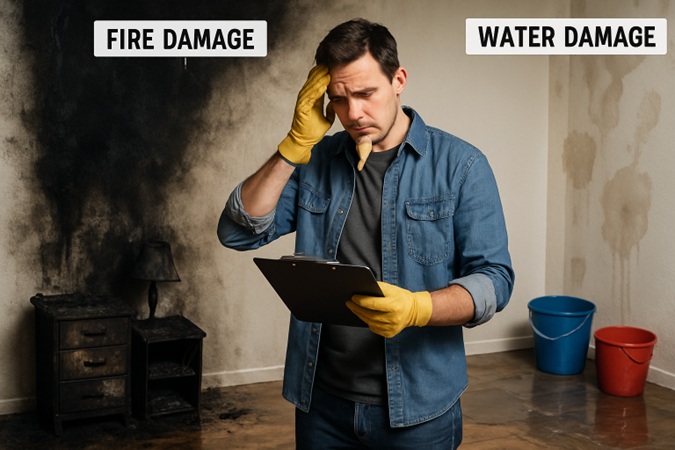
Insurance policies can be complex, with varying levels of coverage for different types of property damage. Homeowners’ insurance usually covers fire and certain types of water damage, but may exclude flooding or sewer backups. Check your policy for exclusions, limits, and deductibles. Certain events, such as major floods, often require additional or separate coverage. Promptly notify your insurance company about the incident and start the claims process without delay. Adjusters will assess the damage, so having clear documentation will speed up their evaluation and facilitate a smoother payout process. For more guidance on dealing with insurance after disasters, visit the American Red Cross disaster recovery page.
Engaging Professional Restoration Services
Professional restoration services provide expertise vital to a thorough recovery. Certified restoration teams use industrial-grade equipment to extract water, disinfect surfaces, dry materials, remove soot, and control mold growth. They also identify hidden structural damage that can compromise the home’s safety if left unaddressed. Working with certified professionals gives you access to specialized knowledge in remediation and restoration techniques, ensuring your home is brought back safely and efficiently. In many cases, restorers can salvage items you may presume lost, such as valuable family heirlooms or important documents, providing both emotional relief and practical support. The Environmental Protection Agency offers additional resources on cleaning up after water damage and mold.
Preventive Measures To Avoid Future Damage
Once your property is restored, taking steps to reduce the chances of a repeat incident is wise. Inspect plumbing systems regularly for leaks and corrosion, ensure downspouts and gutters direct water at least 6 feet away from the foundation, and maintain functional sump pumps in basements. For fire prevention, check and test smoke detectors monthly, keep a fire extinguisher on each level, and avoid leaving appliances unattended. Simple actions such as not overloading electrical outlets, storing flammable materials away from heat sources, and scheduling annual HVAC inspections can markedly decrease risk. These measures are a small investment compared to the losses from property damage and can give you lasting peace of mind.
Recovery after water or fire damage is never easy. Still, by prioritizing safety, thoroughly documenting everything, understanding your insurance policy, working with restoration experts, and committing to preventive care, you put yourself in the best position for a complete and lasting recovery.