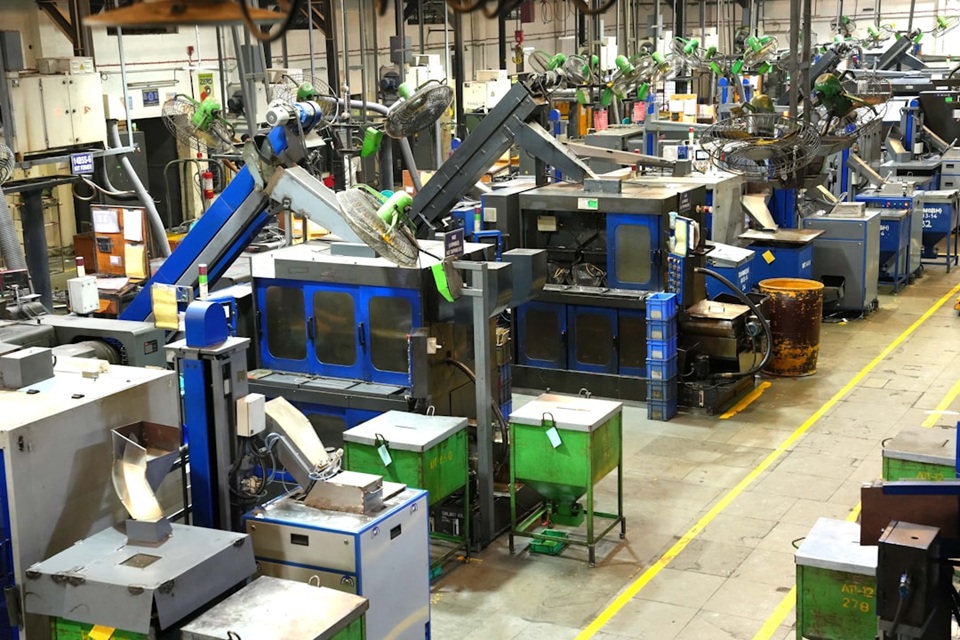
The Role Of Industrial Power & Automation In Modern Workspaces
The modern industrial landscape is characterized by a relentless pursuit of operational efficiency and enhanced workplace safety, largely driven by the pervasive integration of automation. In this technologically advanced environment, the synergy between smart power distribution and sophisticated illumination systems is not just beneficial—it’s foundational. Effective lighting is no longer a static utility but an active component in a dynamic ecosystem, supporting automated processes, ensuring worker well-being, and contributing to overall productivity.
From smart grids managing energy flow to IoT-connected machinery, robust power infrastructure is the backbone of industrial automation. This intricate network demands reliable, adaptable lighting solutions that can keep pace with evolving operational needs. Whether it’s illuminating a complex assembly line or providing targeted light for maintenance tasks, the right lighting ensures continuous operation and minimizes downtime. The evolution of industrial lighting, particularly Industrial power portable work lights, reflects this critical need, offering versatile and resilient solutions for diverse applications.
Integrating Industrial Power & Automation For Enhanced Safety
Safety remains paramount in any industrial setting. The integration of power and automation systems significantly contributes to risk mitigation, and lighting plays a crucial role in this effort. Adequate illumination helps prevent accidents by ensuring clear visibility of hazards, machinery, and pathways. Compliance with safety regulations, such as OSHA standards requiring a minimum of 5 foot-candles for general construction lighting, is non-negotiable.
Modern portable work lights often feature advanced capabilities that align with automated safety protocols. Remote monitoring allows supervisors to assess lighting conditions from a distance, while sensor technology can trigger additional illumination in response to movement or specific task requirements. Emergency backup systems are vital, ensuring that critical areas remain lit during power outages, often powered by robust portable units. Automated fail-safes within lighting systems can detect faults and switch to alternative power sources or lower brightness settings to conserve energy, all contributing to a safer, more resilient workspace.
Future Trends In Industrial Power & Automation Systems
The future of industrial power and automation promises even greater integration and intelligence. We anticipate a continued shift towards wireless control for lighting systems, allowing for greater flexibility in deployment and adjustment. Predictive maintenance, leveraging data from integrated sensors, will enable facilities to anticipate and address lighting fixture issues before they impact operations.
Sustainable infrastructure is another key trend, with a focus on energy-efficient lighting solutions that reduce environmental impact and operating costs. Scalable power solutions, often incorporating modular designs and advanced battery technologies, will support the dynamic needs of growing industrial facilities. The concept of digital twins, virtual replicas of physical systems, will extend to lighting, allowing for simulations and optimizations of illumination strategies in a virtual environment before physical implementation. This forward-looking approach underscores the importance of adaptable and high-performance portable lighting solutions in shaping the industrial workspaces of tomorrow.
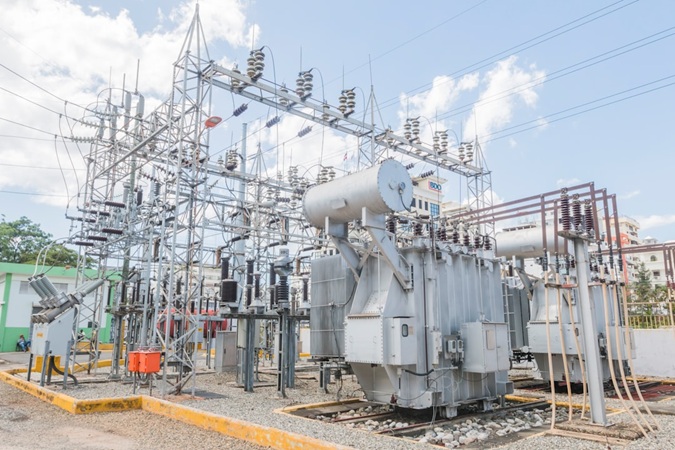
Engineering Durability: IP Ratings & Hazardous Location Standards
In demanding industrial environments, the longevity and reliability of portable work lights are directly tied to their construction and protective features. This is where ingress protection (IP) ratings and hazardous location standards become critical benchmarks. These certifications ensure that lighting equipment can withstand the harsh realities of industrial use, from exposure to dust and water to the presence of explosive gases or combustible dusts.
IP ratings, defined by the International Electrotechnical Commission (IEC), classify the degree of protection provided by mechanical casings and electrical enclosures against intrusion by solids and liquids. For portable work lights, common ratings include:
- IP65: Offers complete protection against dust ingress and can withstand low-pressure water jets from any direction. Many portable rechargeable LED work lights feature IP65-rated protection, meaning they are sealed against dust and can withstand water jets.
- IP66: Provides superior protection against dust and strong jets of water.
- IP67: Indicates full protection against dust and temporary immersion in water up to 1 meter for 30 minutes.
- IP68: Represents the highest level of protection, ensuring complete dust-tightness and continuous immersion in water beyond 1 meter, often up to 25 feet. This level is crucial for applications where lighting might be submerged or exposed to extreme moisture.
Understanding these ratings is essential when selecting equipment for environments with varying degrees of exposure to environmental elements. For instance, a portable LED work light with an IPX4 rating, like the Nortech Red Portable Work Light or the Portable LED Work Light with Telescopic Tripod, offers protection against splashing water from any direction, making it suitable for general outdoor use. However, for more rigorous applications, such as those on construction sites or in marine environments, higher IP ratings like IP65 or IP68 are indispensable.
Beyond environmental protection, many industrial settings present the risk of explosions due to flammable gases, vapors, mists, or combustible dusts. For these “hazardous locations,” specialized lighting certified to specific standards is required. Key classifications include:
- Zone 21: This classification applies to areas where an explosive atmosphere, in the form of a cloud of combustible dust, is likely to occur during normal operation. Lighting certified for Zone 21 is designed to prevent ignition.
- Class I Division 1: This U.S. standard denotes areas where flammable gases or vapors are present continuously or intermittently during normal operations. Lighting in these areas must be explosion-proof.
Choosing lighting that meets these stringent standards, such as specialized Hazardous Location Lighting or Explosion Proof Lighting, is not just about compliance; it’s about safeguarding lives and preventing catastrophic incidents. Our commitment to safety extends to offering solutions that meet these critical requirements, ensuring that workers can operate confidently in even the most challenging conditions. For a deeper dive into these regulations, exploring resources like “Shedding Light on Safety: Understanding Hazardous Location Lighting Regulations” can provide valuable insights.
IP Rating Protection Against Solids (First Digit) Protection Against Liquids (Second Digit) Practical Application in Harsh Environments IP65 Dust-tight Protected against water jets Construction sites, workshops, general outdoor use IP66 Dust-tight Protected against powerful water jets Shipyards, heavy industrial cleaning IP67 Dust-tight Protected against temporary immersion (1m for 30min) Areas prone to flooding, temporary submersion IP68 Dust-tight Protected against continuous immersion (beyond 1m) Underwater inspection, marine applications, extreme wet conditions IPX4 No rating for solids (X) Protected against splashing water General outdoor, light rain, automotive repair LED Technology and Energy Management in Industrial LightingThe advent of LED technology has profoundly transformed industrial lighting, particularly for portable work lights. LEDs offer a compelling combination of efficiency, durability, and performance that is unmatched by traditional lighting sources. This makes them the preferred choice for modern industrial applications where reliable, high-quality illumination is crucial.
One of the primary advantages of LED portable work lights is their exceptional energy efficiency. They convert a much higher percentage of electrical energy into light, rather than heat, significantly reducing power consumption. This efficiency translates directly into longer battery life for rechargeable units, with many models offering impressive runtimes of 15 to 40 hours on lower brightness settings and 3 to 8 hours on higher settings. This extended operational time is invaluable in remote locations or during prolonged tasks where constant recharging isn’t feasible.
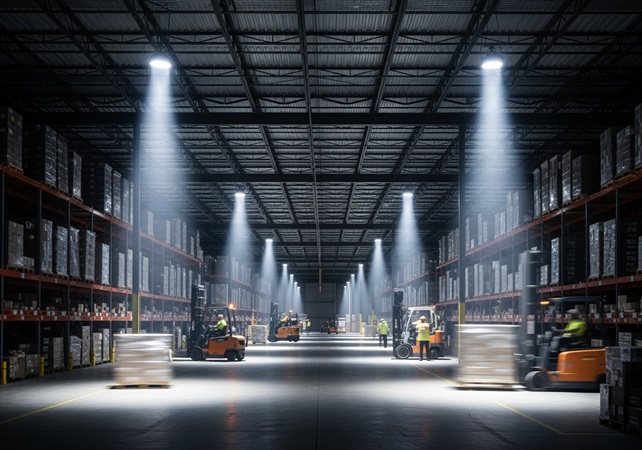
Durability is another hallmark of LED technology. Unlike incandescent or fluorescent bulbs, LEDs are solid-state devices, making them inherently more resistant to shock and vibration—a common occurrence in industrial environments. The LED bulbs themselves boast an incredibly long lifespan, typically lasting 25,000 to 50,000 hours. This longevity drastically reduces maintenance requirements and replacement costs, contributing to a lower total cost of ownership over time. For example, our LED Work Lights are engineered for extended operational life.
Furthermore, LED work lights excel in challenging conditions. They turn on instantly, even in cold weather conditions as low as -25°F, providing immediate illumination without warm-up delays. This is a significant advantage in cold storage facilities or outdoor winter construction projects. The superior thermal management of LED fixtures also ensures consistent lumen maintenance throughout their lifespan, meaning the light output remains stable over time.
When considering brightness, lumen output translates directly to practical visibility. For most garage work and automotive repairs, LED work lights in the 1,500 to 2,500 lumen range offer excellent visibility without harsh glare. For close-up detail like wiring or electronics, a compact LED work light with 1,000 to 1,500 lumens provides clear, focused light right where it’s needed. For workshop benches, aiming for approximately 300 lumens per square foot is a good guideline, meaning a typical 3×5 foot workbench might benefit from around 4,500 lumens total, achievable with strategically placed Portable Lighting Systems or LED Quad Lights.
Rechargeable portable work lights offer immense flexibility, freeing users from the constraints of power outlets. Many utilize long-lasting lithium-ion batteries that can hold a charge for up to 12 months when stored properly. Modern charging methods often include USB-C ports, allowing for convenient charging from various sources, and some even feature USB output to double as power banks for other devices. The benefits of features like magnetic bases, adjustable heads, or tripod mounts further enhance usability, enabling hands-free operation and precise light positioning for tasks like automotive repair or detailed inspections. For instance, compact portable LED work lights delivering 600-1,200 lumens with magnetic bases are ideal for truck work lights, offering both portability and stability.
The advancements in LED technology, coupled with robust design and energy management features, ensure that today’s portable work lights are not just brighter, but smarter, more durable, and ultimately, more valuable tools for any industrial or professional application. For a look at our versatile offerings, explore our comprehensive range of LED Work Lights.
Specialized Lighting Solutions For High-Stakes Environments
Certain industrial sectors operate under uniquely challenging conditions, demanding lighting solutions that go beyond general-purpose portable work lights. These “high-stakes environments” include industries such as oil and gas, mining, aerospace, and food processing, where the presence of hazardous materials, extreme temperatures, corrosive agents, or stringent hygiene requirements necessitate highly specialized illumination.
In sectors like oil and gas and mining, the primary concern is the presence of flammable gases, vapors, or combustible dusts. Here, Hazardous Location Lighting and Explosion Proof Lighting are not optional but mandatory for safety. These lights are meticulously designed and certified to prevent ignition of explosive atmospheres. They feature robust, sealed enclosures, often made from marine-grade alloys, and specialized wiring to contain any potential sparks or heat. For example, our HazRay LED Multi-Head Light series is specifically engineered for such demanding applications, providing powerful, safe illumination.
Aerospace applications, particularly in manufacturing and maintenance, require precision lighting that can withstand intense vibrations and extreme temperature fluctuations. Portable work lights in these settings must offer high color rendering index (CRI) to accurately distinguish wire colors and components, along with exceptional durability to endure the rigors of aircraft construction and repair.
Food processing facilities, on the other hand, face strict hygiene regulations. Lighting fixtures in these environments must be easy to clean, resistant to corrosive cleaning agents, and often carry NSF ratings to ensure they do not harbor bacteria or contaminants. Materials like stainless steel or specialized polymers are common, and designs often feature smooth, crevice-free surfaces.
Regardless of the industry, key characteristics for specialized portable work lights in these high-stakes environments include:
- Corrosion Resistance: Materials like marine-grade aluminum alloys with low copper content and specialty powder coats are used to resist chemicals, UV, and saltwater, crucial for marine and chemical processing applications.
- Vibration and Impact Resistance: Reinforced housings and shatter-resistant lenses protect against physical damage from heavy machinery or accidental drops, common in mining and construction.
- Temperature Extremes: Designed to operate reliably in very hot or very cold conditions, from blast furnaces to arctic drilling sites.
- Specific Certifications: Adherence to standards like Class I Division 1, Zone 21, or NSF ratings is non-negotiable, ensuring compliance and safety. For instance, Nemalux, a leader in industrial lighting, offers solutions certified for various hazardous locations, emphasizing durability and specialized engineering for extreme environments.
- Modular and Adaptable Designs: Many solutions, such as our LED Quad Light w/ Battery Backup or Add-A-Lights, are designed to be highly adaptable, offering flexibility in deployment and customization for unique operational needs.
The selection of portable work lights for these critical applications is a strategic decision that directly impacts safety, operational efficiency, and regulatory compliance. By investing in specialized, high-performance lighting, industries can ensure their workforces are well-equipped to handle the most demanding tasks with confidence and precision.
Frequently Asked Questions About Industrial Lighting
Navigating industrial lighting, especially portable work lights, often brings up specific questions regarding safety, performance, and application. Here, we address some of the most common inquiries to help you make informed decisions.
What are the OSHA requirements for construction site lighting?The Occupational Safety and Health Administration (OSHA) sets clear guidelines to ensure adequate illumination on construction sites, enhancing worker safety and preventing accidents. For general construction areas, OSHA requires a minimum of 5 foot-candles of illumination. This standard helps ensure that workers have sufficient visibility to identify hazards, operate machinery safely, and navigate the site without undue risk. Specific tasks or areas, such as first aid stations, offices, or access ways, may have higher minimum illumination requirements. Adhering to these standards is crucial for maintaining a safe work environment and avoiding penalties. Portable work lights are indispensable for meeting these requirements, especially in areas without permanent lighting or during night shifts.
How do IP68 ratings benefit high-moisture applications?An IP68 rating signifies the highest level of ingress protection against both solids and liquids, making it exceptionally beneficial for high-moisture applications. The “6” indicates complete protection against dust ingress, meaning no dust can penetrate the enclosure. The “8” denotes protection against continuous immersion in water beyond 1 meter, with manufacturers specifying the exact depth and duration. For instance, some IP68-rated lights are designed to be fully functional while submerged up to 25 feet.
This level of protection is vital in environments where portable work lights might be exposed to heavy rain, washdowns, temporary flooding, or even intentional submersion. Industries such as marine construction, wastewater treatment, and certain types of mining or utility work directly benefit from IP68-rated lighting. It ensures operational reliability, prevents electrical hazards caused by moisture intrusion, and extends the lifespan of the equipment in the most challenging wet conditions.
Why is LED technology preferred for hazardous locations?LED technology is overwhelmingly preferred for hazardous location lighting due to several inherent advantages that significantly enhance safety and performance in potentially explosive atmospheres.
- Instant-On Performance: Unlike traditional discharge lamps that require warm-up time, LEDs provide immediate full brightness. This is critical in emergency situations or when rapid illumination is needed.
- Low Heat Emission: LEDs generate significantly less heat compared to incandescent or halogen bulbs. In hazardous environments where flammable gases or dusts are present, reducing heat sources is paramount to preventing ignition.
- Vibration and Impact Resistance: LEDs are solid-state devices with no filaments or glass envelopes that can break. This makes them highly resistant to vibrations and impacts, which are common in industrial settings like drilling rigs or manufacturing plants, thus reducing the risk of failure that could expose an ignition source.
- Reduced Maintenance Cycles: With lifespans often exceeding 50,000 hours, LED fixtures require far less frequent maintenance. This is a crucial safety benefit in hazardous locations, as every maintenance intervention carries inherent risks and often requires complex safety protocols.
- Energy Efficiency: Their high efficiency reduces power consumption, which can be a safety factor in areas with limited power infrastructure or where minimizing electrical load is important.
These combined attributes make LED portable work lights the safest and most reliable choice for illuminating hazardous locations, contributing to a secure and productive work environment. For more information on specialized lighting for these areas, consider resources like “Illuminating Safety in Hazardous Industries with HazRay Lighting Solutions.”
Conclusion
The evolution of industrial infrastructure hinges on the seamless integration of robust power systems and high-performance illumination. As we’ve explored, portable work lights are no longer mere accessories but essential tools that contribute significantly to operational efficiency, workplace safety, and overall productivity. By prioritizing durability through meticulous engineering and adherence to stringent IP-rated and hazardous location standards, manufacturers ensure that these lights can withstand the most demanding environments.
Furthermore, the continuous advancements in LED technology have revolutionized portable lighting, offering unparalleled energy efficiency, extended battery life, and exceptional longevity. These innovations translate into brighter, more reliable, and cost-effective solutions that empower workers to perform tasks with precision, even in challenging conditions or remote locations.
As automation continues to redefine the industrial landscape, the demand for reliable, specialized lighting solutions remains a cornerstone of operational success. The ability to provide targeted, high-quality light on demand, coupled with features that enhance usability and safety, positions modern portable work lights as indispensable assets in the future of industry.
For more information on high-performance industrial solutions or to receive a tailored project assessment, please visit our contact and quote request page.