Key Takeaways:
- Replacement window costs vary based on material, style, energy efficiency features, and installation complexity.
- Vinyl windows are generally the most affordable, while wood and fiberglass offer premium options with higher upfront costs.
- Standard window sizes and common styles help keep projects within budget and simplify installation.
- Timing your purchase during off-peak seasons can yield discounts and scheduling advantages.
- Financing plans, tax credits, and rebates for energy-efficient windows can ease the initial investment.
- Energy-efficient features such as double- or triple-pane glass, Low-E coatings, and argon fills improve comfort and reduce long-term utility costs.
Understanding The Costs Of Window Replacement
Upgrading your home with replacement windows can greatly improve energy efficiency, comfort, and curb appeal. However, many homeowners are surprised by the range of costs associated with this project. The price of new windows varies by material, style, and installation complexity, with most projects averaging $400 to $900 per window, including installation. For those in specific regions, such as Tulsa, understanding window replacement costs Tulsa, OK can help homeowners plan their renovation budget with greater accuracy.
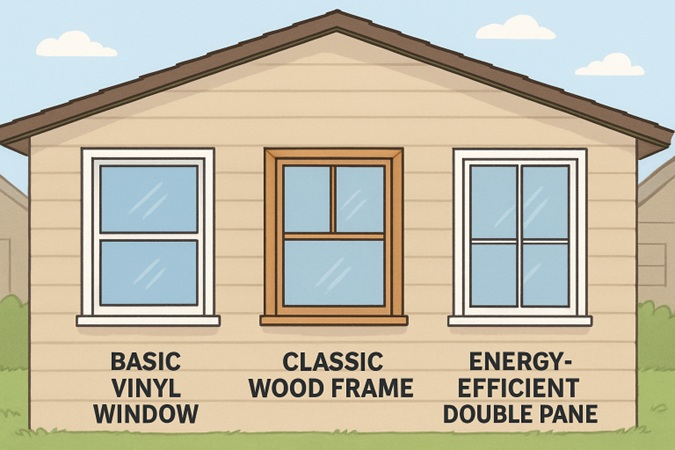
Key factors that influence window replacement expenses include the type of window (single-hung, double-hung, casement, etc.), choice of frame material, and energy-efficient upgrades such as double glazing or Low-E coatings. Vinyl windows remain the most budget-friendly option, with wood and fiberglass typically carrying higher price tags. Homeowners should also account for additional costs, such as the disposal of old windows and potential repairs to window openings during installation.
Choosing Cost-Effective Window Materials
Selecting the right window material is one of the simplest ways to manage replacement costs. Vinyl windows stand out as the most affordable and low-maintenance choice, making them a top pick for budget-conscious homeowners who don’t want to sacrifice overall quality. In contrast, wood frames lend a classic look but require more care and come with a higher price tag. Fiberglass frames are highly durable, offer good insulation, and fall in the mid- to high-price range. Weigh the upfront cost against the lifespan and maintenance needs to make a better investment in your home’s value and comfort.
Along with cost, consider how each material performs in your local climate and how well it complements your home’s aesthetics. Vinyl and fiberglass are particularly popular for their resistance to moisture and minimal upkeep, whereas wood frames might be chosen primarily for their visual appeal in older or historic homes. Balancing performance and price is essential for a smart purchase.
Opting For Standard Sizes and Styles
Custom windows may be tempting for unique architectural details, but they can quickly inflate your project budget. By choosing standard window sizes and common designs like single-hung or double-hung, you’ll benefit from mass-produced products that are more readily available and less expensive. Standard windows also help reduce order wait times and can often be installed more quickly because installers are familiar with their fit and function.
Sticking to classic, widely available window models improves your chances of staying on budget. According to HGTV’s industry advice, it is especially practical to reserve custom options for a select few challenging spots rather than the entire home. This allows for enhanced personalization while avoiding high costs.
Timing Your Purchase For Maximum Savings
Not all times of year are equal when it comes to window replacement. Most contractors experience lower demand in the late fall and winter months, leading many to offer discounts or special promotions to secure work during slower periods. Aligning your project with off-peak seasons not only increases your chance of getting a better deal but also improves scheduling flexibility with reputable installers. Planning is key to locking in these seasonal advantages.
Exploring Financing & Incentive Options
Many window retailers offer financing plans that allow homeowners to spread the cost of their investment over time. This can make replacing multiple windows or investing in higher-quality products more financially feasible. In addition to store financing options, many homeowners can qualify for state or federal incentives when installing energy-efficient windows. These incentives can come in the form of tax credits or rebates from government programs. This approach can ease the initial financial burden and give you access to better-performing windows.
Considering Energy-Efficient Features
Energy-efficient windows cost slightly more, but they often deliver substantial savings on household heating and cooling bills over time. Look for options with double-pane glass, Low-E coatings, and argon gas fills for improved insulation and thermal performance. According to the U.S. Department of Energy, windows with Low-E glass can reduce energy loss by 30% to 50% compared to traditional single-pane windows.
Although the upfront investment may be higher, the reduced energy costs result in long-term savings, making these upgrades worthwhile, particularly if you plan to stay in your home for many years. Carefully evaluate Energy Star-certified windows for maximum efficiency gains.
Exploring Alternative Solutions
If new windows are not within reach, alternatives like storm windows can deliver significant benefits. ENERGY STAR-certified storm windows, for example, can be installed over your existing windows to provide an extra layer of insulation. This approach is budget-friendly and preserves the character of older or historic homes. Storm windows reduce drafts, block excess noise, and improve comfort almost as effectively as a full replacement when installed professionally.
Ensuring Professional Installation
Even the best windows will underperform if they are not installed properly. Air leaks, moisture intrusion, and poor thermal performance are often the result of subpar installation. It is always wise to hire experienced professionals with a track record of quality work. Correct installation maximizes your window upgrade investment and ensures peak energy efficiency. Saving on labor costs by selecting less experienced installers may be tempting, but it risks compromising your home’s comfort and utility savings in the years ahead.
Final Thoughts
By evaluating cost-effective materials, selecting standard sizes, seeking seasonal deals, considering financing and incentives, and prioritizing expert installation, you can upgrade your home’s windows without overspending. Incorporating energy-efficient features and exploring alternatives, such as storm windows, can add value and comfort, ensuring smart improvements that fit your budget and deliver lasting benefits.