
Key Takeaways:
- Regular heating system maintenance and the adoption of smart thermostats are practical and actionable steps to reduce energy waste.
- Proper insulation methods and thorough air leak sealing are foundational for retaining heat and preventing expensive heat loss.
- Choosing energy-efficient appliances and exploring alternative heating options can translate into lasting comfort and long-term savings.
As the chill of winter starts to settle in, ensuring your living space remains comfortably warm is a top priority for most homeowners. Yet, the desire for coziness must be balanced with the concern of rising utility costs. Even subtle changes, paired with a bit of extra attention to detail, can make a dramatic difference—not just for personal comfort, but also for your energy consumption and expenses. Homeowners in coastal climates, for example, might face unique challenges due to salt air and winds, which heighten the need for reliable system performance. This is why turning to seasoned professionals for Heating Repair in Barnegat Light, NJ, is so important. These experts ensure your heating system operates safely and efficiently through every cold snap. By applying proactive strategies focused on efficiency, you can transform your residence into a warm, energy-smart haven—protecting your comfort as well as your wallet during the harshest months of the year.
With energy prices steadily increasing and winters growing less predictable, every effort you make to boost heating efficiency pays off—both immediately and down the road. Prioritizing tasks such as regular maintenance, improving insulation, and upgrading to modern technology helps establish a sustainable balance between comfort and conservation. Whether you want lower utility bills, improved air quality, or simply peace of mind, the following tips offer practical, expert-backed advice to help you make the most of your home heating system this season.
Regular Maintenance Of Heating Systems
Routine maintenance is the cornerstone of heating efficiency, and it should never be underestimated. Over time, dust, pet hair, and other airborne particles accumulate in your furnace filters, impairing airflow and forcing your heating system to work harder to maintain a comfortable temperature. This not only spikes energy usage but also puts unnecessary wear on key components, reducing your system’s lifespan. Committing to replace or clean furnace filters every one to three months, especially during peak usage times, is one of the easiest and most cost-effective ways to reduce energy waste. In addition to filter changes, it’s wise to schedule an annual inspection by a licensed HVAC professional. A qualified technician will inspect your heat exchanger, check fuel connections, calibrate your thermostat, and ensure there are no hidden safety hazards that could lead to unexpected breakdowns just when you need heat the most. According to the U.S. Department of Energy, following a regular maintenance schedule not only keeps your system running smoothly but can also trim as much as 10% off your yearly heating costs by reducing inefficiency and catching minor issues before they grow into costly problems.
Utilizing Smart Thermostats
Modern technology has simplified the way we manage home comfort, and smart thermostats are a prime example. These intelligent devices go beyond simple temperature adjustments, adapting to your daily schedule and automatically optimizing heating cycles for maximum efficiency. For instance, they can lower temperature settings during the hours when your house is empty and ensure rooms are pleasantly warm again by the time you return. Studies show that lowering your thermostat by 7–10°F for just eight hours a day can yield annual savings of up to 10%, without any sacrifice to comfort. Many smart thermostats provide comprehensive energy usage reports, intuitive scheduling, and learning algorithms that further reduce energy waste while maintaining your preferred temperature range. With remote smartphone access, you can make real-time adjustments from anywhere—perfect for unexpected schedule changes or vacations. Products listed by the ENERGY STAR Smart Thermostat program are independently tested for reliability and effectiveness, ensuring you’re getting genuine benefits from your upgrade. Whether you manage the system yourself or let the device learn your habits, integrating a smart thermostat is a straightforward way to gain better control over heating and costs.
Enhancing Home Insulation
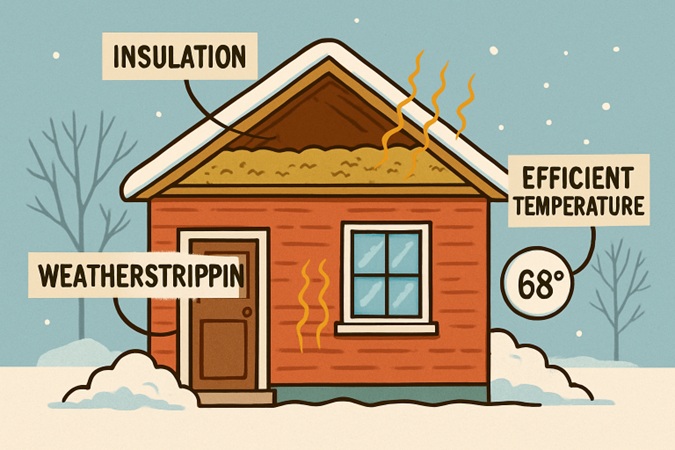
When it comes to maintaining warmth indoors, insulation plays a decisive role. Proper insulation acts as a barrier, minimizing the escape of heated air through your home’s walls, roof, and floors, while also reducing the infiltration of cold drafts. Core areas to target for insulation include your attic, exterior walls, floors above unheated spaces, basements, and crawl spaces. Inadequate insulation in any of these areas can cause a dramatic loss of heat, forcing your heating system to work overtime to maintain a steady indoor temperature. Investing in insulation improvements is often one of the most cost-effective ways to lower heating costs, especially in older homes where insulation may have settled or deteriorated over time. Consumer Reports notes that upgrading insulation can reduce your home’s overall energy use by up to 11%, significantly boosting overall comfort and reducing uneven temperatures between rooms. Taking the time to assess and address weak spots in your home’s insulation will pay off in both increased energy efficiency and noticeable comfort all season long.
Sealing Air Leaks
Even the most thoroughly insulated home can lose a surprising amount of heat if small cracks and gaps are left unattended. Air leaks are often found around windows, doors, electrical outlets, plumbing penetrations, attic hatches, and even baseboards. Such leaks allow valuable warm air to escape and cold outside air to invade your living space, working against your heating system’s efforts. Inspecting these trouble spots regularly can reveal the need for weatherstripping, caulk, or expanding foam insulation to seal up openings. For windows and doors, installing tight-fitting storm windows or insulated drapes can further reduce heat loss during the coldest months. It’s estimated that addressing these leaks can stop up to one-third of your household heat from vanishing, which translates to substantially lower heating bills and a cozier, draft-free home. Regularly checking for drafts with a simple candle or incense stick near suspect areas can alert you to where improvements are needed.
Upgrading To Energy-Efficient Appliances
Older furnaces and heating appliances, especially those over ten years old, are often less efficient due to outdated technology and the wear of time. Upgrading these older systems to modern, ENERGY STAR-certified appliances can significantly reduce your home’s energy consumption without compromising performance. Consider advanced heat pumps—they provide both heating and cooling functions and are ideal for regions with moderate climate swings. High-efficiency gas furnaces, electric heat pumps, and dual-fuel systems can lower energy bills while minimizing carbon emissions. According to a comprehensive New York Times Wirecutter review, these upgrades consistently generate meaningful savings and provide steady, reliable warmth even as outdoor temperatures drop. If new equipment isn’t currently in the budget, upgrading to programmable thermostats or adding smart zoning controls can still significantly boost efficiency.
Considering Alternative Heating Solutions
For homeowners interested in diversifying or supplementing their home’s primary heating system, alternative heating solutions can be invaluable. Modern wood pellet stoves, for instance, offer an efficient and renewable source of supplemental heat in family rooms or high-traffic areas. Solar-assisted heating systems, such as solar air heaters or solar thermal water systems, are becoming increasingly viable as technology advances and incentives improve. These cutting-edge options utilize renewable resources, thereby reducing both utility costs and the overall environmental impact. In areas prone to severe storms or frequent power outages, having an off-grid system, such as a wood burner or a propane heater, ensures you stay warm regardless of the circumstances. For those aiming for long-term sustainability and lower carbon footprints, geothermal and solar heating systems are beautiful options, offering the promise of near-zero-emission heating. If you’re looking for more ideas for emergency heat or backup solutions, consider consulting well-respected resources like the Family Handyman guide, which offers creative ways to heat your home even without electricity.
Conclusion
Improving home heating efficiency does far more than keep you warm—it helps conserve energy, reduce long-term expenses, and protect the environment. By committing to regular system maintenance, utilizing smart thermostat technology, investing in top-tier insulation, thoroughly sealing any points of heat loss, upgrading to modern appliances, and exploring supplemental heating alternatives, homeowners can create a space that’s both cozy and cost-effective. Taking these steps now ensures your household is ready to weather the winter with comfort and savings, year after year.