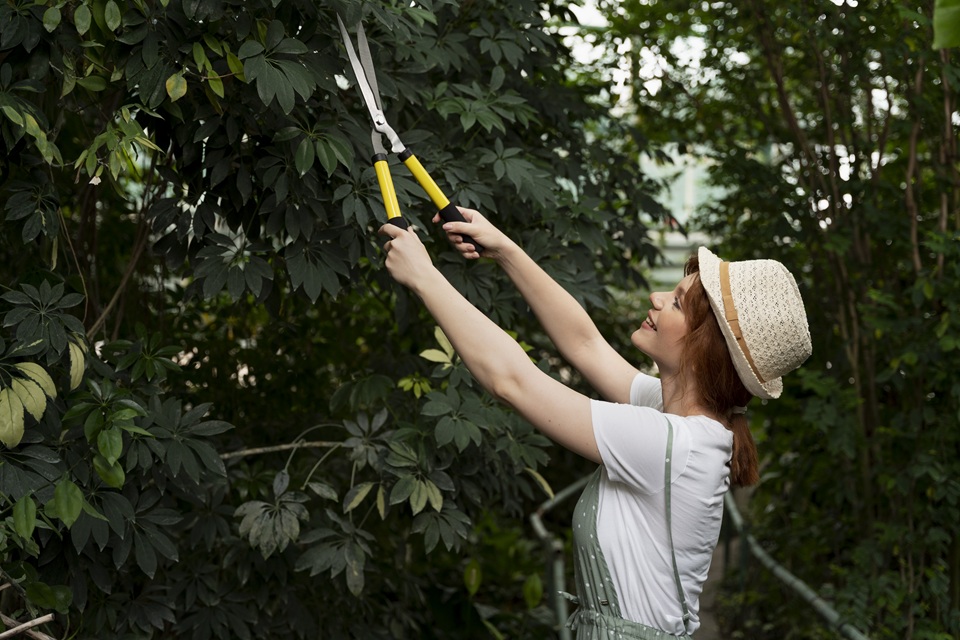
Maintaining trees on your property isn’t just about aesthetics—it’s also about long-term health, safety, and preserving property value. Thoughtful and diligent tree care reduces hazards, fosters vibrant growth, and helps prevent costly, avoidable problems. If you’re overwhelmed or need expert support, consult with professionals like Earthworks Tree Services Inc for specialized tree assessment, maintenance, and emergency services.
Homeowners who invest in proactive tree care enjoy beautiful landscapes, reduced risk of damage from falling branches during storms, and the increased presence of shade and wildlife. Whether you’re new to tree maintenance or seeking to refine your existing approach, this guide provides practical, evidence-based solutions to keep your trees strong and resilient year-round.
Regular Inspections
Regular checks are the foundation of good tree care. Walk around your property at least once a season, closely examining each tree for signs of health issues. Watch for dead wood, branches that are crossing or rubbing, unusual leaf loss or discoloration, cracks in the trunk, and signs of fungal activity such as mushrooms around the base. Catching issues early—like insect infestations or disease—saves both trees and money, as early intervention is often simpler and less expensive.
What To Look For
- Dead or broken branches, which can fall and cause damage
- Leaning trunks or loose soil at the base, indicating instability
- Cavities, splits, or holes in the trunk
- Unusual bark damage or oozing sap
- Presence of pests, such as beetles or caterpillars
Pruning Techniques
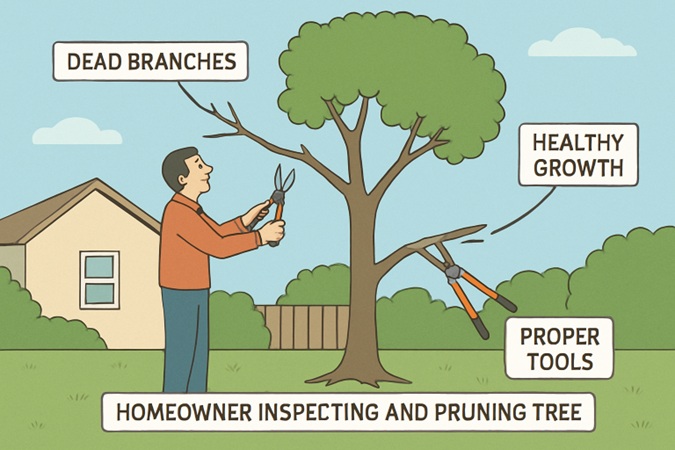
Pruning is not just about shaping a tree’s appearance; it is a fundamental part of promoting healthy growth and ensuring safety. Remove dead, damaged, or diseased limbs to reduce risk and stimulate new growth. When pruning, always use clean, sharp tools and make cuts just outside the branch collar without leaving stubs. Thinning the canopy improves air circulation, reduces the likelihood of fungal growth, and allows more sunlight to reach the inner leaves. Avoid over-pruning, as removing too much foliage at once can stress the tree and inhibit its natural healing process.
For young trees, corrective pruning establishes a strong foundation for growth. For older or large trees, structural pruning should be performed carefully, often with the guidance of a certified arborist, to avoid unintentional harm.
Soil & Watering
The health of your trees largely depends on the quality of their soil and the way you water them. Soil should be well-draining and rich in organic matter; this can be improved with the addition of organic mulch and compost. Aerate compacted soil if tree roots seem stressed or canopy growth is thinning. Watering should be done deeply and less frequently, ensuring moisture penetrates past the surface to the root zone. As a general rule, trees require approximately one inch of water per week, with more during periods of extreme heat or drought.
Best Practices For Watering
- Water trees in the early morning or evening to reduce evaporation
- Water at the base of the tree, not on leaves or trunk
- Avoid overwatering, which can cause root rot and attract pests
Pest & Disease Management
Healthy tree care involves vigilant monitoring for pests and diseases. Signs of trouble include distorted leaves, wilting edges, sticky residue, or visible insects and larvae. Integrated Pest Management (IPM) combines preventive cultural practices, natural predators, manual removal, and, where necessary, targeted pesticides.
Stay up-to-date with threats common in your region by consulting your local extension office or referencing information from reputable sources. When using chemicals, strictly follow all directions and avoid harming beneficial pollinators.
Storm Preparation
High winds, ice, and heavy snow can inflict severe damage on unmaintained trees. Remove weak or damaged branches ahead of storm season, and ensure trees aren’t overgrown or encroaching on structures or power lines. For larger trees, it may be necessary to cable or brace limbs for additional support.
In disaster-prone regions, regular professional assessments help identify potential risks. Taking preemptive action prevents injuries, property damage, and costly emergency removals. The more resilient your trees, the quicker your property recovers after severe weather.
When To Seek Professional Assistance
Certain tree care tasks, especially those involving large trees, power lines, or evidence of disease/decay, are best left to licensed and certified arborists. Arborists are trained to accurately diagnose issues, provide treatments, and perform complex trimming, cabling, or removal while minimizing risk.
Contact a pro if you notice hollow trunks, mushrooms growing on wood, or unstable branches over high-traffic areas. Professionals also possess specialized equipment for high-reach or hazardous jobs, ensuring your safety and the health of your trees. For more details on professional arborist standards, visit the International Society of Arboriculture. Reliable arborists can also provide ongoing maintenance plans tailored to your trees’ specific needs. Investing in professional care helps prevent costly damage and promotes the long-term health of your trees.
Legal Considerations
Local and state regulations may govern what, when, and how you can prune or remove trees—especially large or historic specimens. Many municipalities require permits for tree removals or major pruning, and protected species may be subject to extra restrictions. For instance, Portland has recently updated its tree permit process, eliminating fees for certain permit types and simplifying compliance for homeowners.
Failing to adhere to local ordinances can result in fines or legal disputes, especially if tree work affects neighboring properties or public land. Always verify current regulations with your local government or extension service before undertaking major tree projects.
Conclusion
Proactive, evidence-based tree care delivers returns in curb appeal, property safety, and environmental quality. With routine inspections, proper pruning, healthy soil practices, and informed management of pests and diseases, homeowners can preserve their landscape’s beauty and health for generations to come. Don’t hesitate to contact certified professionals when situations are complex, or safety is a concern—your trees and your property deserve the best care possible.