
Motorcycles bring a thrilling blend of freedom and adrenaline to the road. At the same time, riders must recognize the unique hazards they face. Accidents involving motorcycles are more likely to result in serious injuries compared to those involving other vehicles, making awareness and prevention strategies essential for anyone riding a motorcycle. Consulting a qualified motorcycle accident attorney in Miami, FL can also help riders understand their rights and options if they are involved in a crash, ensuring they’re prepared for any legal challenges that might arise.
Understanding the factors that lead to motorcycle accidents can help both riders and drivers take proactive steps toward safety. Motorcyclists face higher risks due to their smaller size, reduced visibility, and minimal protection compared to cars. By identifying the most common accident scenarios and implementing evidence-based safety measures, riders can significantly reduce the likelihood of a collision and enjoy a safer riding experience.
These risks become more evident considering that motorcycles account for a disproportionate number of traffic fatalities and injuries. Even experienced riders with the best gear and awareness face unique dangers every time they share the road with larger vehicles. Prioritizing education and vigilance is essential — both for avoiding common mistakes and for reacting appropriately when unpredictable situations occur. Ultimately, the high stakes make preventative strategies all the more important for every ride.
In this article, you’ll discover the leading causes of motorcycle accidents and practical ways to minimize risk every time you ride.
Distracted Driving
One of the primary threats to motorcyclists is distracted driving. Motorcycles are far less visible than other vehicles and can easily be overlooked by distracted drivers engaged with their phones, navigation systems, or even conversations. According to the National Highway Traffic Safety Administration (NHTSA), distracted driving claimed over 3,000 lives in the U.S. in 2021. For motorcyclists, this risk is magnified due to their limited protection and size.
Left-Turn Collisions
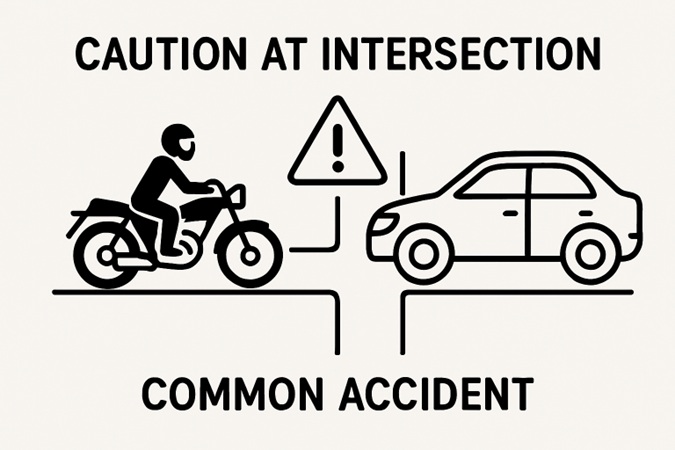
Another frequent cause of motorcycle accidents is left-turn collisions at intersections. These crashes typically occur when a vehicle makes a left turn in front of a motorcycle, often due to misjudging speed or distance. Intersections are notoriously dangerous for riders, as they often provide less time and space to react to a driver’s unexpected move. The resulting injuries from such impacts are often severe due to direct exposure and a lack of barriers.
Speeding & Reckless Riding
Speeding, by both motorcyclists and other drivers, drastically increases the risk of accidents. High speeds reduce reaction times, leaving little margin for error. Coupled with reckless behaviors like weaving between vehicles or aggressive lane changes, the danger increases further. In 2021, NHTSA data showed that speeding contributed to 33% of all motorcycle fatalities, highlighting the importance of adhering to posted speed limits.
Poor Road Conditions
Road conditions that might be manageable for cars—such as potholes, gravel, uneven pavement, or slick surfaces—pose considerable threats to motorcyclists. Even minor surface irregularities can cause a rider to lose control. Motorcyclists must be constantly aware of environmental factors and adjust their speed or riding style as needed to account for unpredictable road surfaces.
Lane Splitting
Lane splitting, or riding between lanes of slow-moving or stopped traffic, is legal in certain states, but it is always a risky practice. Motorists often do not anticipate a motorcycle appearing between lanes, and sudden lane changes by drivers can quickly lead to accidents. Riders attempting lane splitting must remain extremely cautious, vigilant, and ready to stop at a moment’s notice.
Limited Visibility
Due to their smaller profiles, motorcycles often end up in vehicle blind spots, resulting in numerous preventable collisions. Drivers may not notice motorcycles when changing lanes or merging, so riders should avoid lingering next to other vehicles and use bright or reflective clothing and equipment to enhance their visibility, especially in low-light conditions.
Alcohol & Drug Use
Operating a motorcycle under the influence of alcohol or drugs is particularly dangerous. Impaired riders suffer from slower reflexes, decreased coordination, and poor judgment. In 2021, nearly 30% of fatally injured motorcyclists had alcohol in their system, according to the NHTSA. Riders should never operate a motorcycle after consuming any substance that could impair their ability.
Rider Inexperience
Inexperience remains a significant factor in many motorcycle crashes. New riders may lack the skills necessary to anticipate hazards, handle emergency maneuvers, or respond correctly to adverse conditions. Completing a certified motorcycle safety course is strongly recommended for all new riders, and even experienced bikers can benefit from refresher classes.
Safety Measures For Motorcyclists
Wear Proper Safety Gear
Dependable gear is a crucial line of defense in the event of an unexpected crash. Helmets, reinforced jackets, gloves, and durable boots can significantly reduce the severity of injuries. A well-fitted, DOT-approved helmet alone can lower the likelihood of a fatal head injury, and protective clothing can prevent road rash and other injuries.
Stay Visible
Enhancing visibility with brightly colored gear and reflective tapes ensures that drivers spot you sooner and more frequently, especially during dawn, dusk, and nighttime hours. Running headlights during the day further reinforces your presence on the road.
Obey Speed Limits
Riding within posted speed limits is a simple but vital safety measure. Moderate speeds allow more time to react to road hazards, other vehicles, or sudden obstacles and lower the impact forces in the event of a crash.
Take a Motorcycle Safety Course
Regular safety courses reinforce defensive riding techniques and provide hands-on experience for handling emergencies. Many states offer advanced skills programs to help experienced riders keep their skills sharp and learn new strategies for staying safe.
Maintain Your Motorcycle
Routine checks of brakes, tire pressure, lights, and fluid levels help prevent mechanical failures that contribute to accidents. A well-maintained motorcycle responds better in emergencies and can sometimes help a rider avoid a crash altogether.
Conclusion
Motorcycle riding offers freedom and excitement, but it comes with inherent risks that demand vigilance, preparation, and responsible behavior. Understanding the most common causes of accidents—such as distracted driving, left-turn collisions, speeding, poor road conditions, and rider inexperience—allows motorcyclists to take proactive steps to protect themselves. Wearing proper safety gear, maintaining visibility, obeying traffic laws, completing safety courses, and keeping your motorcycle in good condition are essential strategies for reducing risk on the road. By combining knowledge, skill, and protective measures, riders can enjoy the thrill of motorcycling while significantly lowering the chances of accidents, injuries, and fatalities, creating a safer experience for themselves and everyone sharing the road.