
Key Takeaways:
- Chiropractic care encompasses a diverse range of techniques tailored to individual needs, comfort levels, and health objectives.
- Techniques range from hands-on spinal adjustments to gentle, instrument-assisted, and low-force methods.
- Different chiropractic approaches address conditions beyond back pain, including headaches, joint issues, disc problems, and mobility limitations.
- Care can be adapted for all ages, including children and individuals sensitive to manual adjustments.
- Choosing the right technique with a qualified chiropractor supports safe, effective pain relief and long-term wellness.
Introduction To Chiropractic Techniques
Chiropractic care offers a diverse array of techniques designed to relieve musculoskeletal discomfort, enhance mobility, and support whole-body wellness. By demystifying these various approaches, individuals can make more informed choices when seeking drug-free, hands-on solutions for a range of health concerns. Whether you are considering spinal adjustments, seeking relief from chronic pain, or want to know if chiropractic care is appropriate for children with colic, understanding each technique provides valuable insights.
From hands-on manipulations to gentle instrument-assisted methods, the methods used by chiropractors are tailored to suit individuals’ unique health profiles and preferences. Modern chiropractic care extends far beyond back pain alone, addressing issues such as tension headaches, joint problems, and even aiding the body’s recovery from injury.
Diversified Technique
The Diversified Technique is recognized as one of the foundational methods in chiropractic practice. This technique utilizes rapid, highly controlled manual thrusts to realign areas of the spine that are misaligned. The distinctive “popping” sound often heard during a Diversified adjustment is due to the release of gas from the joint, a benign effect of restoring healthy motion. Practitioners choose this versatile approach to address a wide range of complaints, including low back and neck pain, migraines, and muscular stiffness.
Owing to its adaptability and evidence-backed results, the Diversified Technique remains the most commonly administered chiropractic method today. Healthcare professionals often recommend this approach for adults seeking effective relief from both acute discomfort and chronic musculoskeletal conditions.
Gonstead Technique
The Gonstead Technique sets itself apart by its emphasis on precision and detailed structural analysis. Before making any adjustments, chiropractors perform thorough assessments, often utilizing full-spine X-rays, posture checks, and motion palpation to pinpoint the source of dysfunction. Treatment is then delivered with exacting force to the affected vertebra, commonly while the patient is positioned lying down or seated. This meticulous method proves especially effective for specific pain patterns, such as sciatica, hip discomfort, and lumbar misalignments—a reason why it’s highly valued by practitioners who prioritize specificity and measurable outcomes.
Activator Method
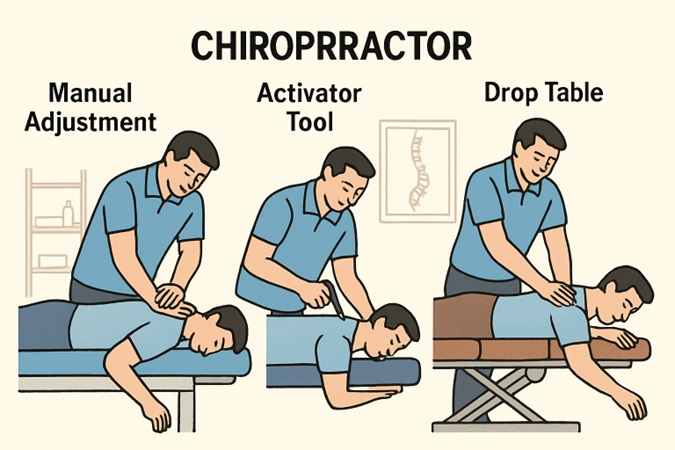
For patients seeking a gentle approach or those with high sensitivity, the Activator Method offers a non-manual, instrument-assisted solution. Using a handheld, spring-loaded device, the chiropractor delivers quick, targeted impulses to the spinal joints or extremities. The instrument’s gentle action minimizes twisting or force, making it well-suited for children, elderly patients, or anyone reluctant to undergo manual adjustments. It is frequently used to treat headaches, jaw discomfort, or nerve-related pain in the limbs.
Flexion-Distraction Technique
The Flexion-Distraction Technique is a low-force, non-thrusting method often recommended for individuals with herniated or bulging discs, degenerative disc disease, or radiating nerve pain. Utilizing a specially designed table that gently flexes and distracts the spine, chiropractors create rhythmic movements that decompress affected discs and relieve pressure on spinal nerves. This technique not only alleviates inflammation and nerve irritation but also increases spinal mobility and function, making it an excellent choice for patients with acute or chronic disc disorders.
Thompson Drop-Table Technique
The Thompson Drop-Table Technique harnesses a unique chiropractic table with segments that drop downward by a fraction of an inch when pressure is applied. This controlled, quick dropping motion allows chiropractors to perform efficient adjustments using minimal force—the table itself absorbs much of the energy. Patients who are sensitive to forceful hands-on techniques, especially those experiencing arthritic pain or muscular tension, often benefit from this method. Additionally, its reliability for pelvic and extremity adjustments has further solidified its popularity in daily chiropractic practice.
Spinal Mobilization
Not every chiropractic patient is a candidate for rapid spinal manipulation. For frail individuals, experiencing severe pain, or living with advanced degenerative joint changes, Spinal Mobilization offers a gentler therapeutic alternative. This approach utilizes slow, methodical joint movements to restore mobility and relieve discomfort gradually. No high-velocity thrusts are used, allowing for a lighter treatment touch that still provides significant improvements in flexibility and pain reduction.
Choosing The Right Technique
Every person’s needs and health history are unique, which is why it is essential to consult with an experienced chiropractor who can recommend the safest and most effective approach tailored to your specific goals. Communication with your provider about your symptoms, sensitivity levels, and past experiences ensures that you receive customized care, whether you are seeking relief from acute pain, non-invasive management for chronic issues, or addressing conditions in children, such as colic.
Final Thoughts
Chiropractic care encompasses a wide range of techniques designed to meet the diverse needs of patients at every stage of life. From hands-on spinal adjustments to gentle, instrument-assisted and low-force methods, these approaches allow care to be tailored to individual comfort levels, health conditions, and treatment goals. Understanding the differences between chiropractic techniques empowers patients to actively participate in their care and make informed decisions about their wellness journey. When guided by a skilled chiropractor, the right technique can provide effective pain relief, improved mobility, and long-term support for overall musculoskeletal and nervous system health.