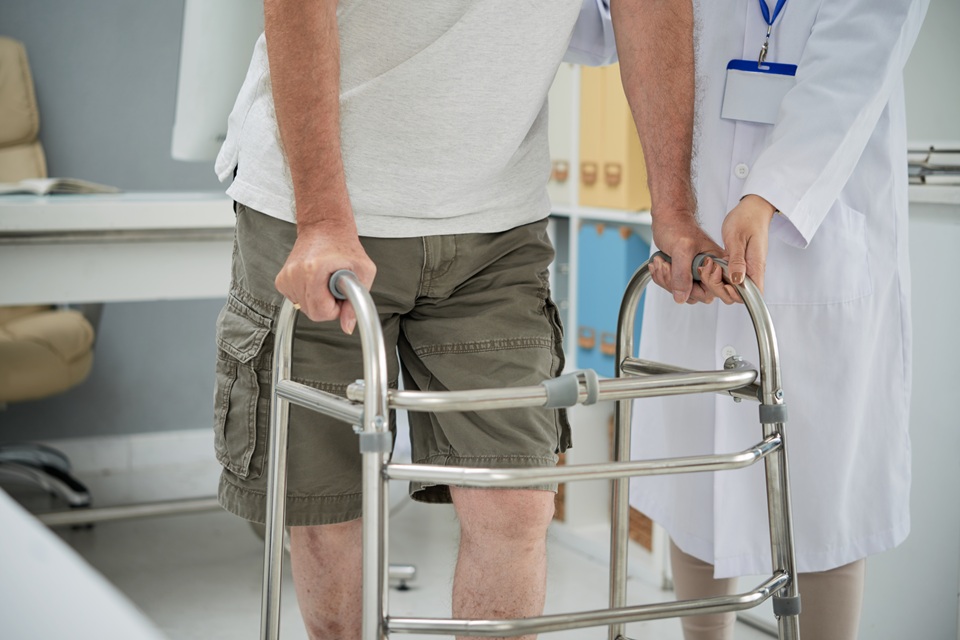
One of the most common and avoidable dangers for nursing home residents is slipping and falling. Sadly, these accidents do happen frequently. In fact, it was reported that nursing homes failed to report 43% of falls with major injury that led to hospitalization, according to the US Department of Health and Human Services.
Any time you slip and fall and are injured at another’s property that’s open to the public, the property owner could be responsible for your injuries, according to Pomona slip and fall accident lawyer Christian J. Amendt. Much more so in a nursing home facility where their staff has the duty to ensure the safety of their residents.
If you or a loved one are suffering such grievance, having a lawyer can help ensure that your rights are protected and that you receive the compensation you deserve.
Understanding Common Causes Of Slip & Fall Injuries
You might find it hard to believe that there are several factors that can contribute to slip and fall injuries in nursing homes. Wet floors from spills or cleaning operations can be exceptionally dangerous when no warning sign marks them.
Poor lighting would make it impossible or difficult to see walkers or the sudden change in the surface height. Heavy traffic with equipment lying all over hallways and personal belongings on the floor can contribute to a risk of falls.
You may also find uneven ground surfaces, cracked tiles, or carpets that weren’t placed correctly. Inappropriate footwear increases the chances to slip and fall.
Be mindful of the potential causes of slip and fall injuries in nursing homes to keep the elderly safe in nursing homes.
Why Staffing Matters For Safety
The nursing home slip prevention system depends on its staffing. When a facility lacks enough staff members, then care will turn into a dangerous situation that results in resident injuries because staff members will rush through their work without understanding resident requirements.
A caregiver who demonstrates both awareness and competence will excel at performing their regular duties while providing required assistance and successfully preventing falls from occurring. High staff attendance enables continuous patient observation together with implementation of safety measures.
Nursing home staffing levels serve as a critical element that family members must evaluate when selecting a facility. They should have sufficient staff to provide for residents’ needs in an efficient manner. The number of nursing home staff directly affects the standard of care that residents can expect to receive.
Staff members deliver resident care through multiple activities that require their presence in various locations. Proper staff allocation creates the foundation that enables outstanding medical treatment.
Assess How Facility Design Impacts Safety
The design of the facility determines how nursing home residents will experience both health benefits and safety risks because their design provides residents with specific ways to move throughout the environment. Walking up and down the place would mean a lot when an individual is thinking in these terms.
The facility requires you to observe its design, which includes wide hallways and ramps that create a safer environment by decreasing fall hazards. The installation of handrails at strategic locations, together with non-slip material selection, both function as protective elements, which improve safety conditions.
Proper lighting enables clients to move safely, but without proper lighting, they face real danger because they cannot see the objects that block their walking path. The layout needs to prevent obstacles from appearing in walking areas while providing organized data that shows the way to important locations like the washroom, dining area, and other essential spaces.
Key Maintenance Strategies For Safety
The nursing homes must conduct regular inspections to protect their residents from potential dangers. The safety of visiting residents is guaranteed through continuous upkeep of the premises. The floor requires inspection and maintenance and repair work to achieve a surface that remains smooth and even without any obstructions.
Rails require proper upkeep to guarantee their safe and easy usage by users. The process of upgrading lighting needs to be executed with extreme caution because it has the potential to decrease fall occurrences.
The safety of outside areas requires continuous removal of both trash and ice from their surfaces. There should be an assessment of wheelchairs and wallpapers to make sure they are suitable for user comfort and mobility throughout the day.
All staff members need to develop a habit of identifying safety problems. This way, they can resolve problems immediately upon discovery.
Effective Safety Measures To Reduce Slip & Fall Risks
The protection against slip-and-fall hazards in nursing homes is difficult. It requires hybrid solutions to achieve effective safety outcomes.
The implementation of basic safety procedures requires organizations to maintain their floors in a clean and dry condition while using non-slip matting to protect high-traffic areas.
The floor requires your attention because you need to monitor for signs of floor height changes or loose pieces of carpeting.
Staff must manage all walking aids, which include canes and walkers, while residents move, and they should assist residents in building handrails, which will provide support for walking through hallways and bathrooms.
The facility needs excellent lighting to create illumination that reaches all areas so residents can explore the place without danger. The staff requires ongoing safety training because it helps them learn new fall prevention methods, which they need for their work.