Key Takeaways:
- Copper is essential for various bodily functions, such as energy production, immune response, and tissue integrity.
- Diverse copper-rich foods help boost cognitive and cardiovascular health when included in your regular diet.
- Maintaining copper within recommended levels is crucial, as too much or too little can have health consequences.
Micronutrients are critical to our well-being, even though we need them only in small amounts. Among the essential trace minerals, copper plays vital yet often overlooked roles in helping our bodies function optimally. Whether you are working toward better energy, strengthened immunity, or overall vitality, understanding copper’s importance can empower you to make more informed dietary decisions. To discover nutritional supplements and health insights centered around micronutrients, you can learn more at MitoSynergy. Research shows that even minor shifts in micronutrient intake can greatly impact wellness outcomes. Copper influences several key aspects of our physiology, supporting not only metabolic pathways but also the structure and defense systems of the body. People at every stage of life, from those seeking preventive care to individuals managing chronic conditions, can benefit from optimal copper intake.
Importance Of Copper In The Body
Copper is a trace mineral that enables dozens of biological reactions fundamental to life. It is a crucial cofactor for enzymes involved in energy production, connective tissue formation, iron metabolism, and support for the nervous and immune systems. By participating in redox (reduction-oxidation) reactions within cells, copper plays a decisive role in cellular respiration and the neutralization of harmful free radicals. When copper levels drop, fatigue, anemia, and a suppressed immune system are common consequences, highlighting its indispensable role.
Additionally, copper is essential for synthesizing neurotransmitters (chemical messengers in the brain) and maintaining the elasticity of blood vessels and skin. It interacts closely with other minerals, such as zinc and iron, so maintaining balance is critical to avoid metabolic disruptions or absorption issues.
Copper-Rich Foods To Include In Your Diet
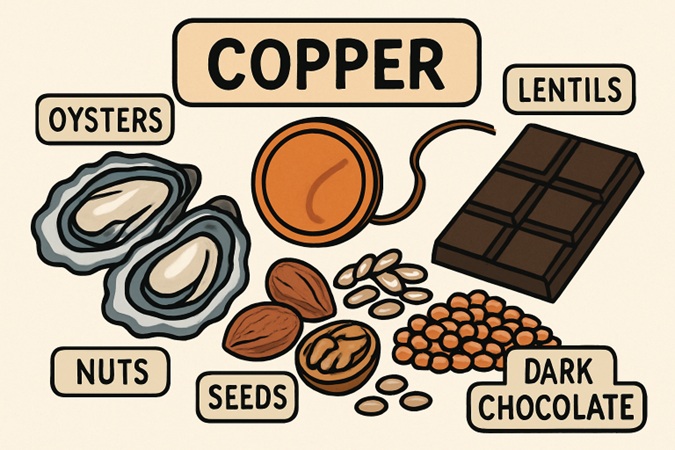
Diverse dietary sources provide a flexible, nutrient-rich diet. Incorporating copper-rich foods helps to meet the recommended daily allowance and bolsters nutritional variety. Some of the top food sources include:
- Shellfish (especially oysters and crabs), highly concentrated in copper.
- Organ meats like beef liver are prized for their copper content and other micronutrients.
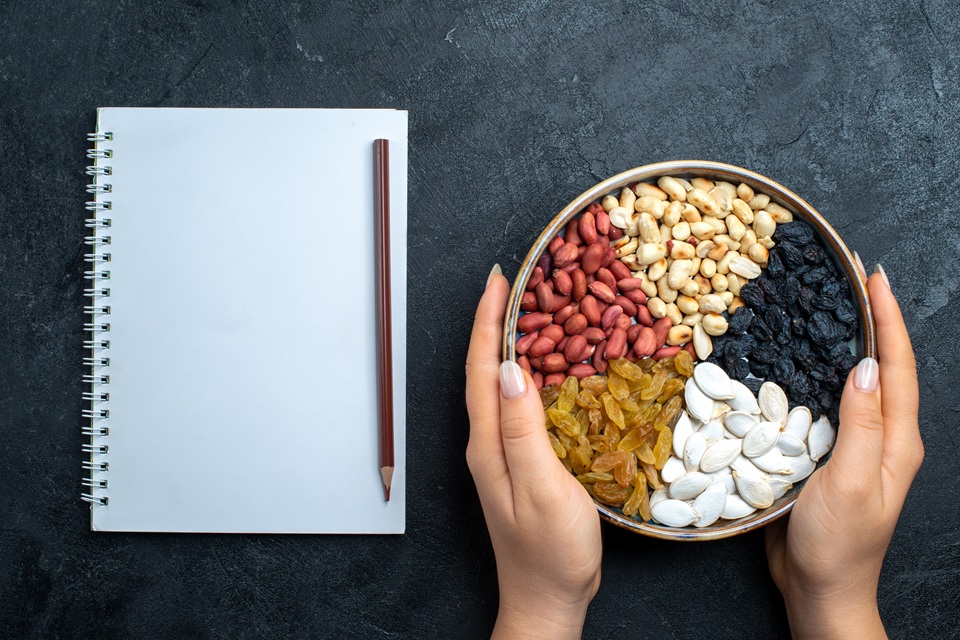
- Nuts and seeds (such as cashews, sunflower seeds, and almonds), which are simple to add to many meals and snacks.
- Legumes (lentils and chickpeas), providing a plant-based way to boost copper intake.
- Whole grains (such as quinoa and whole wheat products), contributing both copper and fiber.
- Dark chocolate delivers copper, along with additional antioxidants.
Choosing a variety of these foods regularly helps support overall health and prevents micronutrient imbalances. Rotating copper-rich foods with other nutrient-dense options can further enhance your dietary quality.
Cognitive Benefits Of Adequate Copper Intake
There is a growing body of evidence linking copper status to cognitive performance, particularly with age. Recent studies examining older adults have shown that those who consume sufficient copper tend to perform better on tests of mental acuity and memory. Copper is involved in the formation and functioning of neurotransmitters, which play an integral role in learning, mood regulation, and memory retention. These findings suggest that optimizing copper intake may help reduce the risk of age-related cognitive decline and diseases such as Alzheimer’s.
Copper’s Role In Cardiovascular Health
The cardiovascular system relies on copper to maintain the structural integrity of blood vessels and heart tissue. Copper-dependent enzymes are key to controlling oxidative stress, a process that, when unchecked, can lead to heart disease. Longitudinal research finds that higher copper intake is associated with a reduced risk of heart attack, stroke, and hypertension complications. In one study, adults with well-managed copper intake had lower cardiovascular disease prevalence and mortality rates.
Balancing Copper Intake To Avoid Deficiency Or Excess
Proper copper status means meeting, but not exceeding, the recommended daily intake for adults, which is 900 micrograms. Deficiency is uncommon but can occur in individuals with malabsorption disorders or restrictive diets. Symptoms include fatigue, weakened immunity, and nervous system problems. Excessive copper, typically from over-supplementation or environmental exposure, may result in toxicity, with symptoms ranging from abdominal discomfort to liver dysfunction. Balance is best achieved through food first, rather than supplements, unless advised by a health professional.
Practical Tips For Maintaining Optimal Copper Levels
- Select a variety of copper-rich foods to incorporate into your weekly meal plans to ensure optimal coverage of your needs.
- Be mindful of supplement use, especially if you are already consuming a nutrient-rich diet. Always check with a health care provider before starting new supplementation.
- Pair copper foods with sources of vitamin C and iron, as these can work synergistically to enhance absorption and prevent deficiencies.
With small, intentional dietary changes, you can support healthy copper levels and promote lifelong wellness. Keeping awareness of your micronutrient needs ensures every meal is a step toward greater health and everyday vitality.