The Art & Science Of Historic Property Restoration
We often seek homes that offer more than just a place to live. We look for character, history, and a true sense of community. Many of us also prioritize convenience, especially when it comes to getting around our cities. Choosing an apartment near public transportation is a smart move for modern urban life.
What if we could combine these desires? Imagine living in a beautifully restored historic building. These homes often blend their original charm with all the best modern amenities. They also tend to be located in vibrant neighborhoods, well-connected to public transit.
This guide will explore the unique appeal of such residences. We will look at how historic properties are thoughtfully preserved. We will also see how they are updated with today’s technology and comforts. Join us to find how old-world elegance meets contemporary urban living.
Restoring a historic property is a delicate dance between honoring the past and preparing for the future. It’s an intricate process that goes far beyond simple renovation; it’s a commitment to architectural heritage and urban evolution. Our approach to historic property restoration is rooted in a deep respect for the original craftsmanship and design, aiming to preserve the unique character that defines these buildings while ensuring their structural integrity and longevity.
When we start on a restoration project, our first step is always thorough research into the building’s history, its original materials, and the techniques used by its initial builders. This foundational knowledge guides every decision, from the choice of mortar for masonry repair to the replication of period-accurate finishes. We understand that each historic building tells a story, and our goal is to ensure that story continues to be told for generations to come.
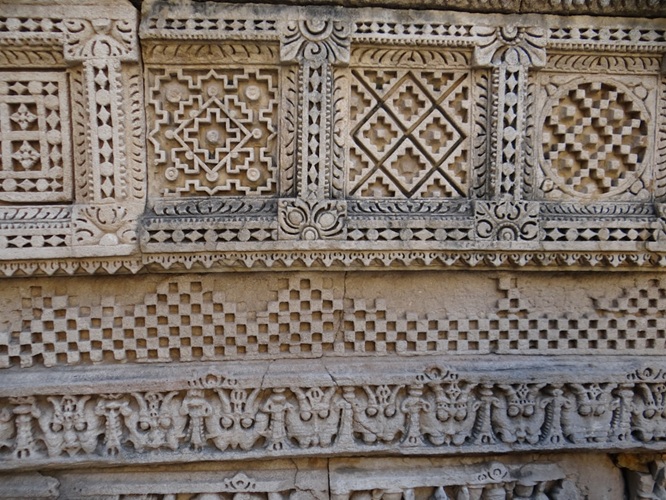
The process often involves meticulous work on the building’s facade, where intricate masonry work might require specialized skills to repair or replace damaged elements without compromising the overall aesthetic. We prioritize the use of original materials whenever possible, or source historically appropriate alternatives that blend seamlessly with the existing structure. This commitment to architectural authenticity is paramount, ensuring that the restored building retains its soul and charm.
Beyond the visible elements, we also focus on the unseen but critical aspects of structural integrity. This can involve reinforcing foundations, updating internal support systems, and addressing any issues that might have arisen from decades or even centuries of wear and tear. Our team of experts works diligently to ensure that the building is not only beautiful but also safe, stable, and ready to withstand the rigors of modern life. It’s a comprehensive process that merges the art of preservation with the science of engineering, resulting in buildings that are both historically accurate and structurally sound.
Challenges In Historic Property Restoration
Restoring historic properties, while immensely rewarding, comes with its own unique set of challenges. One of the most significant problems we often encounter relates to navigating complex building codes. Modern codes are designed with contemporary construction methods and materials in mind, which can sometimes conflict with the traditional techniques and materials found in older structures. Striking a balance between meeting current safety and accessibility standards and preserving historical accuracy requires careful planning, negotiation with regulatory bodies, and often innovative engineering solutions.
Another considerable challenge is material sourcing. Many of the original materials used in historic buildings, such as specific types of wood, stone, or brick, are no longer readily available or manufactured in the same way. This necessitates a painstaking search for reclaimed materials or the commissioning of custom fabrications that precisely match the historical specifications. This process is not only time-consuming but can also be costly, adding layers of complexity to the project budget and timeline.
Structural reinforcement is frequently required, especially in very old buildings that may have settled unevenly or suffered from deferred maintenance over the years. This involves carefully assessing the existing structure, identifying weaknesses, and implementing solutions that improve stability without altering the building’s historical fabric. For instance, we might use non-invasive techniques to strengthen walls or foundations, ensuring the building can safely support new loads and uses.
Finally, maintaining historical accuracy throughout the restoration is a constant challenge and a guiding principle. Every decision, from the color of paint to the style of windowpanes, must be informed by historical research. This dedication prevents the building from becoming a pastiche of different eras and instead allows it to authentically represent its original period. It requires a deep understanding of architectural history and a commitment to meticulous detail, ensuring that the finished product is a true testament to its heritage.
Best Practices For Historic Property Restoration
To successfully steer these challenges and ensure a respectful, high-quality restoration, we adhere to several best practices. The first and arguably most crucial is comprehensive documentation. Before any physical work begins, we undertake an exhaustive process of photographing, measuring, and researching the building. This includes archival research, historical maps, and previous architectural drawings. This documentation serves as an invaluable blueprint, guiding every step of the restoration and ensuring that changes are reversible and well-informed. It provides a record of the building’s condition before work and helps to maintain historical integrity throughout the project.
Specialized craftsmanship is another cornerstone of our approach. Historic restoration demands a different skill set than modern construction. We work with artisans and tradespeople who possess expertise in traditional techniques such as plaster repair, intricate woodworking, and historic masonry. These craftspeople understand the nuances of older materials and methods, allowing them to repair and replicate elements with precision and sensitivity. Their skills are essential in bringing the building back to its former glory while preserving its authentic character.
The selection of period-accurate finishes is also vital. This extends beyond major structural components to the smallest details, including paint colors, wallpaper patterns, flooring materials, and light fixtures. Our goal is to recreate the aesthetic of the building’s original era, ensuring that every element contributes to a cohesive and historically authentic environment. This often involves researching historical palettes and materials, sometimes even analyzing paint chips to determine original colors.
Finally, conservation techniques are employed to protect and stabilize existing historic fabric wherever possible, rather than replacing it. This might involve carefully cleaning and repairing original features, consolidating fragile materials, or implementing environmental controls to prevent further deterioration. By prioritizing conservation, we minimize intervention and maximize the retention of the building’s original materials, extending its lifespan and preserving its unique heritage for future generations. These practices collectively ensure that our restoration projects are not just renovations, but true acts of historical stewardship.
Integrating Modern Technology Into Vintage Structures
The true marvel of modern historic property restoration lies in our ability to seamlessly integrate cutting-edge technology and comforts into vintage structures. This fusion creates living spaces that offer the best of both worlds: the unparalleled charm and character of a bygone era, combined with the convenience, efficiency, and connectivity demanded by contemporary life. It’s about ensuring that residents enjoy all the advantages of modern living without sacrificing the unique appeal of their historic surroundings.
Imagine stepping into a building with a grand, ornate lobby, only to find that your apartment is equipped with smart home systems that allow you to control lighting, climate, and security with a touch. We achieve this by carefully planning the installation of high-speed fiber internet, ensuring robust connectivity throughout the building, which is crucial for both work and leisure in today’s digital age. Energy-efficient HVAC systems are discreetly installed, providing optimal climate control while minimizing environmental impact and utility costs. These systems are often designed to be less visible, respecting the architectural integrity of the space.
A prime example of this successful integration can be found in many of the Restored historic Uptown apartments that have undergone similar transformations. These properties demonstrate how historic charm can coexist beautifully with modern convenience, offering residents a unique living experience. Furthermore, many restored buildings now incorporate advanced access technologies, such as VTS Rise technology for secure and keyless entry. This not only enhances security but also streamlines daily routines, making coming and going effortless for residents. The blend of old and new is not just aesthetic; it’s functional, providing a superior living experience that respects the past while embracing the future.
Modern Kitchens & Bathrooms
Nowhere is the integration of modern amenities more apparent and appreciated than in the kitchens and bathrooms of restored historic properties. These spaces, often the most frequently used, are transformed into contemporary havens that offer both aesthetic appeal and peak functionality. We understand that while residents cherish the historic character of their homes, they also expect the conveniences and luxuries of modern design in these critical areas.
In kitchens, we often install sleek quartz countertops that provide ample workspace and durability, perfectly complementing custom cabinetry designed to maximize storage and efficiency. These cabinets are often crafted with a nod to the building’s original style, but with modern soft-close features and intelligent storage solutions. Subway tiling, a classic yet timeless choice, frequently adorns backsplashes, adding a touch of elegance that bridges the gap between historic and contemporary design. High-end stainless steel appliances are seamlessly integrated, offering professional-grade performance and a sophisticated look. The choice of wood flooring throughout these spaces adds warmth and continuity, marrying durability with a classic aesthetic that feels right at home in a historic setting.
Similarly, bathrooms are reimagined as serene retreats. We incorporate modern fixtures, energy-efficient toilets, and stylish vanities with ample storage. Walk-in showers with neat glass enclosures and contemporary tiling often replace older, less functional layouts, providing a spa-like experience. Our focus is on creating spaces that are not only beautiful but also highly efficient and easy to maintain, reflecting the standards of modern luxury living within the framework of a historic building. These updated kitchens and bathrooms are a testament to how thoughtful restoration can improve daily life without compromising the building’s unique heritage.
Building-Wide Amenities
Beyond the individual units, restored historic buildings are increasingly offering a comprehensive suite of building-wide amenities designed to improve the modern urban lifestyle. These shared spaces transform the living experience, fostering a sense of community and providing conveniences that cater to a variety of needs. Our goal is to create an environment where residents feel supported, entertained, and connected, all within the unique ambiance of a historically preserved structure.
Fitness centers, equipped with state-of-the-art exercise machines and dedicated spaces for yoga or strength training, are a common and highly valued addition. These facilities allow residents to maintain their health and wellness routines without having to leave the comfort of their building, saving time and offering a convenient solution for busy schedules. We ensure these spaces are designed to be both functional and aesthetically pleasing, often incorporating elements that reflect the building’s original architecture.
Rooftop decks have become highly sought-after amenities, offering residents breathtaking views of the city skyline, opportunities for outdoor relaxation, and spaces for social gatherings. These areas are carefully designed with comfortable seating, landscaping, and sometimes even grilling stations, providing an urban oasis above the busy streets. They serve as perfect spots for unwinding after a long day or hosting friends, adding a significant lifestyle benefit.
For the growing number of professionals who work remotely or desire flexible workspaces, coworking spaces are an invaluable amenity. These thoughtfully designed areas provide quiet environments for focused work, complete with high-speed internet and comfortable seating. They foster productivity and offer a professional setting just steps from one’s apartment, eliminating the need for external office rentals. Additionally, features like keyless entry systems are implemented across common areas, enhancing security and providing seamless access for residents. These modern amenities, carefully integrated, ensure that historic buildings are not just places to live, but vibrant communities custom for contemporary urban dwellers.
Urban Revitalization Through Heritage Preservation
The restoration of historic properties plays a pivotal role in urban revitalization, breathing new life into neighborhoods and contributing significantly to the fabric of our cities. These projects often anchor vibrant streetscapes, creating dynamic environments that attract residents, businesses, and cultural activities. When we preserve and adapt historic buildings, we are not just saving structures; we are investing in the soul of a community, fostering a unique sense of place that modern developments often struggle to replicate.
Consider the change of areas like Uptown Chicago, where historic buildings have been carefully restored, contributing to a lively urban landscape. Or think of how Toronto’s Annex neighborhood, with its grand Victorian homes, retains its distinct character while evolving to meet modern needs. Even in places like Hamilton, where landmarks such as Dundurn Castle stand as testaments to the past, the surrounding historic districts often become focal points for community life. Many of these neighborhoods, originally developed as “streetcar suburbs,” were designed with walkability and public transportation in mind, making them inherently suited for transit-oriented development today.
These revitalized historic districts often become hubs of activity, characterized by a mix of residential, commercial, and cultural spaces. The unique architecture and established street grids provide a charming backdrop for local businesses, cafes, and art galleries, creating destinations that draw people from across the city. By preserving these elements, we help maintain the cultural identity of a place, ensuring that its history is celebrated and integrated into its future. This approach to urban development not only enhances the aesthetic appeal of our cities but also promotes sustainable growth by reusing existing infrastructure and building stock, rather than constantly expanding outwards.
Community Impact & Connectivity
The impact of heritage preservation on community and connectivity is profound, particularly in its relationship with public transportation. Historic neighborhoods, by their very nature, often boast superior walkability. Their original design predated widespread car ownership, meaning they were built for pedestrians, with homes, shops, and services located within easy reach. This inherent walkability is a major draw for residents seeking a car-free or car-lite lifestyle, promoting healthier living and fostering a stronger sense of local community engagement.
Crucially, these areas are typically well-served by public transit, a legacy of their development around streetcar lines or early subway systems. This robust transit access is a cornerstone of their appeal, making them ideal for commuters and anyone who values efficient, sustainable transportation. Living in a historic district often means direct access to subway stations, bus stops, or streetcar lines, significantly reducing commute times and the reliance on personal vehicles. This connectivity is not just about getting to work; it’s about easily accessing cultural institutions, entertainment venues, and local employment hubs, enriching the daily lives of residents.
The preservation of historic buildings also contributes to a strong cultural identity within these communities. The unique architecture and established streetscapes create a distinctive character that fosters pride among residents. This sense of identity often translates into active community associations, local events, and a vibrant social scene. These neighborhoods become places where people know their neighbors, support local businesses, and feel a deep connection to their surroundings. This blend of walkability, transit access, and cultural richness makes historic districts particularly attractive to a diverse range of residents, from young professionals to families and retirees, all seeking a connected and engaging urban experience.
To illustrate the inherent advantages, we can look at how different urban areas score on key metrics. For instance, an analysis of various historic districts often reveals higher Transit Scores compared to newer, car-dependent developments. These scores, which measure the frequency and convenience of public transit, consistently highlight the superior connectivity of areas that have grown organically around established transportation networks.
Pet-Friendly Design In Restored Spaces
As pet ownership continues to rise in urban centers, the demand for pet-friendly living spaces, even within historic buildings, has become a significant consideration. We recognize that pets are integral members of many families, and our restoration projects often incorporate design elements and amenities that cater to their needs, while also respecting the integrity of the historic structure. This thoughtful approach ensures that both human and animal residents can enjoy the unique charm of these properties.
Many restored buildings now feature clear and accommodating pet policies, often allowing for a two-pet limit per apartment, which provides flexibility for residents with multiple furry companions. Beyond just allowing pets, we consider how to make the living environment comfortable and convenient for them. Durable flooring, such as engineered wood or high-quality laminate, is often chosen for common areas and even within units. These materials are not only aesthetically pleasing and in keeping with the building’s character but also resistant to scratches and easy to clean, making them ideal for pet owners.
A particularly popular amenity in pet-friendly restored buildings is the inclusion of dog wash stations. These dedicated spaces, often located in the building’s lower levels or utility areas, provide a convenient and clean environment for residents to wash and groom their dogs, especially after walks in the park or rainy weather. Equipped with elevated tubs, spray nozzles, and drying areas, these stations prevent muddy paws from tracking through the building and into apartments, benefiting all residents.
Furthermore, we strive to implement breed-neutral policies where possible, focusing instead on responsible pet ownership rather than restrictive breed bans. This inclusive approach reflects the diverse nature of urban pet ownership. By integrating these pet-friendly designs and policies, we ensure that our restored historic properties are not just beautiful and convenient for people, but also welcoming and practical homes for their beloved animal companions, further enhancing the community feel.
Sustainability & Longevity In Restored Buildings
The restoration of historic buildings is inherently a sustainable practice, offering significant environmental benefits that often surpass those of new construction. By choosing to restore rather than demolish and rebuild, we contribute directly to a substantial reduction in carbon footprint. The energy embodied in existing structures—the energy consumed during the extraction, manufacturing, and transportation of building materials, as well as the construction process itself—is immense. Preserving these buildings avoids the release of this embodied energy and prevents the generation of vast amounts of demolition waste that would otherwise end up in landfills.
Our commitment to sustainability extends throughout the restoration process. We prioritize the use of recycled materials whenever possible, from reclaimed wood for flooring to salvaged architectural elements that can be repurposed. This not only reduces demand for new resources but also maintains the historical integrity and character of the building. Furthermore, modern restoration techniques focus on significantly improving the energy performance of these vintage structures. This includes upgrading insulation, installing high-efficiency windows that mimic original designs, and implementing advanced heating and cooling systems. These enhancements dramatically reduce energy consumption, leading to lower utility bills for residents and a smaller environmental impact overall.
Environmental stewardship is a guiding principle in our projects. We recognize that historic buildings are valuable assets, not just culturally but also ecologically. By extending their lifespan through careful restoration, we promote a more circular economy in construction, where materials are reused and buildings are adapted rather than discarded. This approach ensures that these architectural treasures continue to serve their communities for many more decades, demonstrating that preserving the past can be a powerful way to build a more sustainable future. The longevity achieved through thoughtful restoration means these buildings will continue to contribute positively to their urban environments for generations to come, embodying a truly green approach to development.
Future-Proofing Historic Assets
Beyond merely restoring a building to its former glory, our vision for historic properties includes future-proofing them to meet the evolving needs of modern society and technology. This proactive approach ensures that these cherished assets remain relevant, functional, and sustainable for decades to come, continuing their legacy as vibrant urban spaces.
One key aspect of future-proofing involves integrating infrastructure for electric vehicles. The installation of EV charging stations in parking areas or dedicated spots is becoming an essential amenity. As electric vehicles become more prevalent, providing convenient charging options allows residents to accept sustainable transportation without compromise, making historic properties attractive to an environmentally conscious demographic. This foresight prevents the need for costly and disruptive retrofits down the line.
Similarly, recognizing the growing popularity of cycling as a mode of transport, we prioritize the inclusion of secure bike storage facilities. These dedicated spaces protect bicycles from weather and theft, encouraging residents to choose active and eco-friendly commutes, especially given the typically excellent bike scores of historic, transit-rich neighborhoods. Easy access to bike storage complements the proximity to public transportation, offering a holistic approach to sustainable mobility.
Adaptive floor plans are another strategic element. While respecting the original layout and structural integrity, we design interior spaces that can be flexibly adapted to changing lifestyle needs. This might involve creating open-concept living areas that can be easily reconfigured, or ensuring that units can accommodate various furniture arrangements. This flexibility enhances the longevity of the building by allowing it to remain desirable and functional for a diverse range of residents over time.
Finally, sustainable maintenance practices are crucial for long-term viability. This includes using eco-friendly cleaning products, implementing water-saving fixtures, and adopting energy-efficient operational systems. By focusing on sustainable maintenance, we ensure that the environmental benefits achieved during restoration continue throughout the building’s operational life, reinforcing its status as a truly future-proofed historic asset. This comprehensive approach to future-proofing ensures that our restored buildings are not just historical artifacts, but dynamic, sustainable homes ready for the challenges and opportunities of tomorrow.
Frequently Asked Questions About Historic Property Restoration
We understand that prospective residents often have specific questions about what it’s like to live in a restored historic building. Here, we address some of the most common inquiries to provide clarity and insight into this unique living experience.
What are the primary benefits of living in a restored building?
Living in a restored historic building offers a wealth of unique advantages that often set it apart from modern construction. First and foremost is the unparalleled architectural character. These buildings boast distinctive designs, intricate detailing, and a sense of grandeur that cannot be replicated in new developments. Residents enjoy unique features like ornate moldings, high ceilings, large windows, and original hardwood floors, each telling a story of the past.
Another significant benefit is the superior sound insulation often provided by thick, solid walls. Unlike many newer buildings with lighter construction, historic properties typically offer a quieter living environment, enhancing privacy and comfort. Furthermore, these buildings are almost invariably located in established, central neighborhoods. This means residents benefit from immediate access to vibrant cultural scenes, mature green spaces, and, critically, excellent proximity to public transportation, making daily commutes and urban exploration incredibly convenient. It’s a chance to live in a piece of history while enjoying all the benefits of a prime urban location.
How do restored buildings meet modern energy standards?
While historic buildings were not originally designed with modern energy efficiency in mind, our comprehensive restoration processes carefully integrate contemporary solutions to ensure they meet or even exceed today’s energy standards. A key upgrade involves the installation of high-efficiency windows. These are carefully selected to maintain the aesthetic integrity of the original design, often custom-made to match historical patterns, while providing superior thermal performance that drastically reduces heat loss in winter and heat gain in summer.
Equally important is updated insulation, which is strategically installed within walls, roofs, and floors without compromising the building’s historic fabric. This creates a more consistent indoor climate and significantly lowers heating and cooling demands. Modern HVAC systems are also discreetly integrated, employing energy-efficient technologies to provide optimal climate control with minimal energy consumption. Lastly, the widespread adoption of LED lighting throughout common areas and often within units further reduces electricity usage, contributing to a lower overall environmental footprint and ensuring that these historic properties are as energy-conscious as they are charming.
Are historic properties compatible with smart home technology?
Absolutely. One of the exciting aspects of modern historic property restoration is the seamless integration of smart home technology. We understand that today’s residents expect connectivity and convenience, and our restoration projects are designed to deliver just that. During the renovation process, we strategically upgrade the electrical infrastructure to support modern wiring and robust wireless systems. This ensures that the building can easily accommodate a full suite of smart home devices.
Residents can enjoy the benefits of smart locks for enhanced security and keyless entry, smart thermostats for precise climate control and energy savings, and integrated lighting systems that can be controlled remotely. High-speed internet and Wi-Fi networks are foundational to these integrations, providing the necessary bandwidth for all smart devices to operate efficiently. This careful planning means that while the exterior and core character of the building remain historically authentic, the interior functions with all the technological sophistication of a brand-new development, offering residents the best of both worlds.
Conclusion
The journey through the restoration of historic properties reveals a profound commitment to architectural legacy and modern living. We have explored how these unique buildings, often found in the heart of busy urban centers with excellent access to public transportation, are thoughtfully preserved and carefully updated. From the intricate art and science of restoring their original grandeur to the seamless integration of smart technology, energy-efficient systems, and contemporary amenities, these projects redefine what it means to live in a historic home.
By embracing heritage preservation, we contribute to urban revitalization, fostering vibrant communities, enhancing connectivity, and promoting sustainable development. These restored buildings offer not just a place to live, but a lifestyle—a blend of unique character, modern comfort, and unparalleled convenience. They stand as testaments to the belief that the past can indeed inform and enrich our future, providing homes that are both beautiful and responsible. We invite you to find the enduring appeal of these architectural treasures, where every detail tells a story, and every modern amenity enhances the joy of urban living.