Key Takeaways:
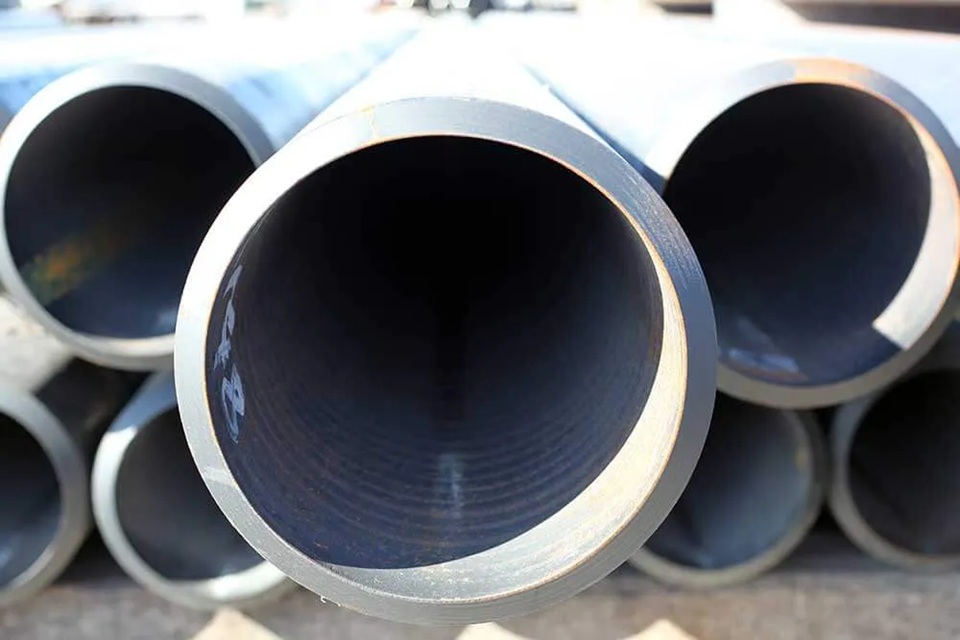
- High-performance piping systems, including those made from PP, PE, and stainless steel, deliver improved longevity and corrosion resistance.
- Integration of IoT technologies in piping enables proactive system maintenance and data-driven management.
- Recent manufacturing innovations are creating pipes that withstand greater mechanical and environmental pressures.
- Trenchless techniques are less invasive for pipe rehabilitation, reducing both costs and ecological disturbance.
With rapid urbanization and the growing pressure to ensure sustainability, modern infrastructure projects require advanced pipe solutions that push the boundaries of durability, efficiency, and environmental responsibility. While traditional materials continue to play a role, technologies and materials such as stainless steel pipe and high-performance polymers are reshaping the fundamentals of water management, wastewater, and industrial systems. Stakeholders across engineering, construction, and maintenance industries must stay attuned to these developments to address rising demands and future-proof their assets.
Piping systems are no longer just utilitarian; they are integral to the lifeblood of cities and industrial complexes. As resource conservation and regulatory standards become more stringent, choosing the right piping materials and solutions can lead to reduced operational costs, lower environmental impact, and extended system lifespans. The collective embrace of smart technology and sustainability in pipe design is fueling a renaissance that will define the next generation of infrastructure.
By leveraging innovative approaches in both materials and installation methods, modern piping solutions are delivering previously unattainable levels of adaptability and performance. Polyolefins and structured wall technologies, for instance, are emerging as preferred choices in large-scale developments due to their inherent strength, resilience, and ease of maintenance. These trends are fostering a future in which pipelines not only transport resources but also support resilience and efficiency goals.
Besides advances in materials science, the integration of digital platforms into piping networks is revolutionizing real-time management capabilities. Enhanced sensors, predictive analytics, and remote monitoring minimize disruptions and maximize productivity. These advances underscore the pivotal role that piping plays in shaping reliable, sustainable environments worldwide.
Modern Materials Enhancing Pipe Performance
Advancements in materials have brought about a remarkable shift from the historic reliance on cast iron and concrete. High-grade polymers such as polypropylene (PP) and polyethylene (PE) now stand at the forefront due to their exceptional durability, chemical resistance, and versatility. These plastics offer a significant reduction in leak potential, ease of transportation, and longevity, especially in aggressive environments. Stainless steel also continues to see widespread use for projects demanding hygiene or high-pressure tolerance, with applications expanding from municipal water systems to industrial process piping. According to Scientific American, the adoption of advanced plastics in infrastructure can notably alleviate environmental degradation, provided proper lifecycle management is prioritized.
Smart Piping Systems & IoT Integration
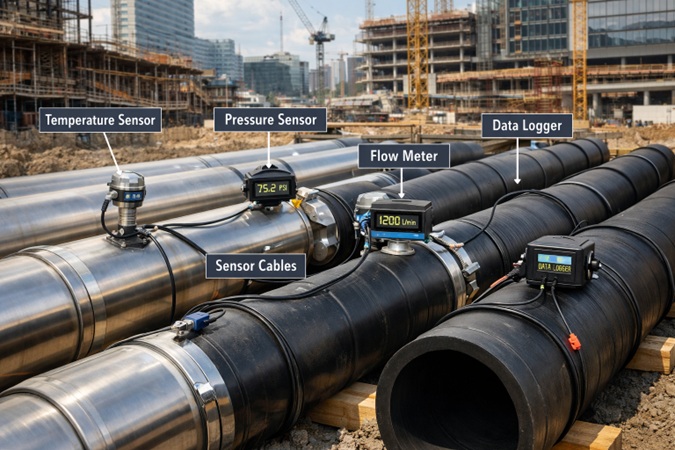
Digitization is accelerating innovation in piping through the integration of sensors and connected devices. The Internet of Things (IoT) empowers piping networks to track pressure, flow volume, and temperature in real-time, alerting operators to anomalies before they escalate into failures. Such proactive maintenance reduces water loss, downtime, and associated repair costs. Smart piping technologies are especially vital in critical infrastructure such as hospitals, data centers, and multi-story commercial buildings, where unplanned disruptions have significant consequences. As reported by Engineering.com, new IoT-driven leak detection systems can slash water loss in public utilities and enhance overall operational efficiency.
Structured Wall Pipe Technology
Structured wall pipe technology is transforming the approach to large-scale infrastructure projects. By employing multi-layered constructions, these pipes boast enhanced strength-to-weight ratios, greater flexibility, and superior resistance against external loads and soil movement. Structured pipes excel in both above- and below-ground environments, maintaining robust performance in the presence of traffic, shifting soils, and fluctuating water pressure.
Trenchless Pipe Rehabilitation Methods
Trenchless technology has emerged as a critical tool for municipalities and contractors tasked with rehabilitating aging pipes without widespread surface disruption. Methods such as cured-in-place pipe (CIPP), slip lining, and robotic inspections enable targeted remediation and replacement with minimal excavation. The advantages include decreased environmental disturbance, shorter project timelines, and significant savings in labor costs. These practices are crucial in urban areas where traffic and existing structures complicate conventional open-trench installations. The New York Times has highlighted how these minimally invasive systems have become vital for upgrading infrastructure in cities confronting climate change and aging sewer systems.
Sustainable Piping Solutions
Sustainability is at the core of next-generation piping systems. Eco-friendly options like PP and PE have lower carbon footprints across both manufacturing and service life than traditional materials. These plastics are fully recyclable, and modern manufacturing techniques are designed to reduce emissions and waste. Installation processes also contribute to sustainability by requiring less energy, equipment, and labor, further reducing the total carbon impact. As infrastructure stakeholders prioritize environmental responsibility, adopting these materials is evolving from preference to necessity.
Conclusion
Pipe solutions are fundamental in building resilient, efficient, and sustainable infrastructure. By utilizing modern materials, incorporating smart technology, and adopting innovative manufacturing and trenchless techniques, organizations can ensure that their projects are well-equipped to handle today’s challenges while preparing for tomorrow’s demands. Embracing these advances not only extends the life cycle of critical assets but also safeguards communities and the environment for future generations.