
Key Takeaways:
- Multicultural marketing amplifies brand impact by reaching broader audiences.
- AI advancements empower real-time, contextually relevant advertising.
- Inclusive, cross-functional marketing practices cultivate loyalty and business growth.
- Full-funnel, data-driven approaches are indispensable for navigating complex buyer journeys.
Businesses vying for consumer attention in dynamic markets need strategies that pivot with technological, cultural, and economic changes. Leading brands recognize that genuine connections drive sustainable success, and they are evolving their marketing to reflect consumers’ diversity, digital habits, and demand for authenticity. Whether implementing AI-powered advertising or inclusive campaign planning, today’s organizations are rewriting how they deliver value. Modern strategies transcend traditional messaging by focusing on both meaningful engagement and measurable outcomes. Understanding how to deploy these strategies and crafting the right message is now essential for market relevance and differentiation.
By looking closely at modern multicultural marketing efforts, the rise of data and AI tools, and the growing emphasis on inclusion, brands can learn to shape consumer experiences across every touchpoint. Seamless integration of technology and authentic brand storytelling work hand in hand in this environment, enabling organizations to remain agile while building lasting relationships with customers from various backgrounds.
Globalization and shifting demographics demand that marketers continuously adapt, using technology to deliver the right message to the right audience at the right time. This move toward a more personalized and inclusive approach also requires buy-in from every department, as authentic campaigns are only possible when the entire organization is committed to diversity and collaboration. With this, brands lay the groundwork for both immediate engagement and long-term growth.
Companies that excel in today’s digital-heavy, culturally intricate climate commit to ongoing learning and adaptation. By embracing data and prioritizing inclusivity at every level of marketing, brands stay ahead in the crowded marketplace. These evolutions reward brands with relevance, trust, and accelerated performance.
Advanced workplace solutions and robust digital strategies have become non-negotiable as part of this shift. The ability to scale culture-driven campaigns depends greatly on integrated systems and collaborative environments. Learn how organizations are reshaping their approach to digital growth and workspaces.
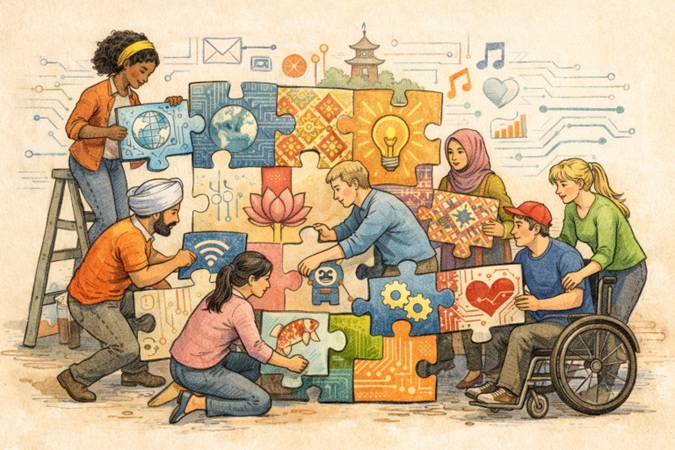
Embracing Multicultural Marketing
As the American consumer market continues to evolve, multicultural audiences represent an increasingly influential segment of overall purchasing power. Businesses are recognizing that meaningful connections with diverse communities require more than broad, generalized messaging. Effective multicultural marketing emphasizes cultural awareness, authentic representation, and a deep understanding of the values and experiences that shape different audiences. By tailoring campaigns to resonate with specific communities, brands can foster stronger engagement, trust, and lasting customer relationships.
This customer-centric approach aligns with broader business objectives, including flexible workspaces business growth, where organizations adapt their strategies and environments to meet the changing needs of both employees and consumers. By embracing adaptability and authenticity in their marketing efforts, companies can better position themselves for sustainable expansion. Innovative solutions, such as AI-powered platforms that deliver culturally relevant messaging at scale, further help brands connect with audiences in meaningful ways, strengthening loyalty and improving long-term business performance.
These approaches reflect broader societal trends toward inclusivity, as the marketplace demands greater representation and respect for diverse backgrounds. Smart brands gather insights and feedback from different communities throughout campaign planning to ensure messages are received as intended. As highlighted by Forbes, businesses that authentically reflect culture and identity open new growth pathways while demonstrating social responsibility.
Furthermore, successful multicultural marketing relies not just on targeting, but also on community engagement and cultural intelligence. Brands are investing in local partnerships, sponsoring cultural events, and actively listening to grassroots movements to maintain credibility. Regular staff training in cultural sensitivity is also essential, as it ensures internal alignment and helps prevent unintentional missteps that could alienate key demographics. The most effective brands view diversity as a source of innovation, leveraging multicultural perspectives to inform everything from product development to creative campaigns.
Leveraging AI For Contextual Advertising
The rapid evolution of AI in marketing has enabled brands to meet consumers’ expectations for personalization and relevance at scale. Contextual advertising, powered by platforms such as Cadmus 2.0, uses machine learning to identify optimal ad placements, ensuring content appears alongside contextually aligned and brand-safe material. This not only bolsters engagement metrics but also minimizes wasted ad spend and protects brand reputation. AI-driven context recognition evaluates trending topics, sentiment data, and user intent in real time, ensuring ads resonate with viewers and foster positive brand associations.
With privacy laws and changes like the deprecation of third-party cookies, contextual AI offers a compliant path forward for advertisers. Combining historical audience insights with current behavioral signals, marketers can deliver impactful messaging without compromising user privacy. According to The New York Times, companies leveraging these innovations gain a significant edge in efficiency, optimization, and customer satisfaction.
In practice, AI can now adapt campaign content in real time, accounting for factors such as trending conversations, social sentiment, and seasonality. This allows marketers to serve dynamic experiences that feel timely and relevant, increasing the likelihood of a positive consumer response. Additionally, continual advancements in natural language processing and visual recognition expand AI’s ability to interpret not only text but also images and videos, unlocking more holistic targeting possibilities for brands. As AI tools grow more sophisticated, marketers can integrate them into their tech stacks, extracting deeper insights from audience data and continually refining content at every stage of the customer journey.
Implementing Inclusive Marketing Practices
Modern consumers want to see themselves reflected in the brands they support. Inclusive marketing emphasizes genuine representation and celebrates diverse identities across all campaign touchpoints. By highlighting a variety of backgrounds, lifestyles, and experiences, brands signal authenticity and a commitment to their broad audience. Studies also point to a business impact: customers report higher purchase intent and brand perception when advertising features diverse representation. According to Adweek, Millennials and Gen Z, in particular, hold diversity and inclusion high when deciding where to spend.
Effective inclusion, however, is more than just visual representation. Brands must ensure their messaging, language, and even product offerings cater respectfully to different needs and preferences. Authenticity means involving target communities in the campaign development process and being willing to listen and iterate based on feedback. Commitment to inclusion should extend to accessibility, ensuring all campaigns are usable and accessible to everyone, regardless of ability.
Beyond advertising, inclusive marketing impacts customer service, product packaging, and even hiring practices. Companies making true strides prioritize ethical storytelling, avoid stereotypes, and approach each initiative with humility and transparency. Regular audits of content and communication channels help ensure that bias is minimized and that representation is current and comprehensive. As a result, brands that authentically champion inclusion are increasingly seen as community leaders, gaining advocacy not only from customers but also from employees and industry peers.
Developing Full-Funnel Marketing Strategies
The customer journey in today’s omnichannel environment is multifaceted, involving various digital touchpoints and physical engagements. Full-funnel marketing strategies integrate every stage of the consumer’s journey, from awareness to consideration and conversion, ensuring a consistent brand experience. In sectors like beauty and wellness, companies are weaving together digital media, retail activations, social platforms, influencer partnerships, and streaming content to move consumers smoothly through the buying process.
This approach recognizes that modern customers engage with brands in nonlinear ways, often researching, comparing, and purchasing across multiple platforms. Coordinated, holistic strategies remove silos within marketing and create tailored experiences that build trust and confidence over time. Data-driven mapping of customer journeys enables brands to refine touchpoints and optimize for engagement and conversion. Brands that excel in this domain often deploy robust content, creative storytelling, and seamless transition paths to keep customers engaged from start to finish.
Full-funnel strategies enable better resource allocation and more relevant messaging, as marketers use analytics to understand the unique needs at each stage. Nurturing touchpoints, such as follow-up emails, retargeted ads, loyalty programs, and personalized recommendations, support conversion and retention just as much as initial awareness campaigns. Additionally, by continuously measuring funnel performance and attributing value to each stage, marketers can demonstrate ROI more clearly and make informed, agile adjustments to maximize impact. This ongoing optimization is key in a world where consumer attention is scarce and competition is fierce.
Fostering Collaboration Across Departments
Effective marketing in today’s diverse and digital world cannot exist in a vacuum. Successful campaigns involve collaboration among marketing, human resources, product development, IT, and customer experience teams. Inclusive marketing initiatives are most impactful when diversity, equity, and inclusion (DEI) principles are part of the organization’s DNA. By engaging multiple internal perspectives, brands uncover blind spots, foster creativity, and develop campaigns that resonate more deeply with consumers. This cross-functional synergy produces more authentic storytelling and more effective problem-solving throughout campaign execution.
Departments must also share data and goals, aligning key performance indicators for transparency and measurable progress. This integrated approach cultivates a culture of shared purpose and empowers teams to respond quickly to new trends or feedback. According to research cited in the Harvard Business Review, organizations that foster interdisciplinary collaboration outperform their peers in innovation and market responsiveness.
Collaboration is especially crucial during product launches and brand pivots, where synchronized communication and a unified vision can make the difference between success and market confusion. Companies are increasingly using collaborative platforms, shared dashboards, and integrated project management tools to break down information silos and encourage knowledge sharing. Celebrating cross-team wins, hosting joint brainstorming sessions, and fostering a culture of continuous learning further unite departments around customer-centric goals. In this atmosphere, every employee becomes a stakeholder in marketing’s success, lending authenticity and accountability to collective brand efforts.
Utilizing Data-Driven Insights
The foundation of modern marketing is actionable data. Marketers are leveraging sophisticated analytics tools to track user behavior, segment audiences, measure engagement, and predict buying signals. These insights allow brands to move beyond intuition, enabling them to tailor messaging, offers, and channels for maximum relevance and effectiveness. For B2B companies, understanding the nuances of often-complex buyer journeys through comprehensive data analysis is critical to building trust and shortening sales cycles.
Integrating data from multiple sources enables continuous campaign optimization, helping brands achieve better targeting, improved return on investment, and an agile response to shifting market conditions. By applying predictive analytics and automation to marketing efforts, businesses can anticipate customer needs and proactively deliver value. As customer expectations for personalization rise, real-time insights become essential tools for driving engagement and building loyalty. For deeper dives, The Wall Street Journal explores how leading brands harness data-driven marketing for competitive advantage.
Advanced data analysis is also unlocking the power of experimentation and test-and-learn models. Marketers now create and iterate on multiple campaign variants, using A/B testing and multivariate analysis to discover what motivates different segments. These insights drive faster learning cycles, revealing patterns that may have gone unnoticed in traditional research. The most competitive brands foster a culture where insights are democratized, empowering more employees to use data in decision-making. As technologies like AI and machine learning further automate insight discovery, marketers can pivot strategies with greater confidence and speed, responding decisively to opportunities and risks in real time.
Conclusion
Success in the modern marketplace means adapting to a rapidly changing cultural and technological environment. By putting diversity at the center of strategy, embracing advanced technology, and prioritizing seamless collaborations, brands create authentic connections and sustainable growth. Data-powered, inclusive marketing that unfolds throughout the full customer journey is now the standard for organizations committed to long-term relevance and resilience. With a foundation built on cultural understanding, robust analytics, and organizational alignment, companies are positioned to thrive despite ongoing industry disruptions.
Ultimately, brands that invest in these multifaceted strategies build not just customer bases, but also communities. The rewards are significant: stronger loyalty, increased brand advocacy, and lasting differentiation in crowded markets. As innovation accelerates and expectations evolve, the organizations most willing to learn, adapt, and listen will lead the next generation of marketing success. The future belongs to brands that view change as an invitation to get closer to their customers, across every culture, channel, and conversation.