Biological Profile Of The Yellow Tang (Zebrasoma flavescens)
The vibrant yellow tang, or Zebrasoma flavescens, is a true jewel of the marine aquarium. Its brilliant color and energetic swimming captivate hobbyists worldwide. Yet, as stewards of these incredible creatures, we face a growing responsibility. We must ensure our passion for marine life supports healthy oceans, not harms them.
This guide is for every enthusiast who wants to combine their love for the yellow tang with ethical practices. We will explore the fascinating biology of this iconic fish, from its natural reef habitat to its unique adaptations. More importantly, we will delve into the critical aspects of responsible sourcing. This includes understanding advancements like Sustainable Yellow Tang Aquaculture, which offer a path forward for the hobby.
Join us as we navigate the yellow tang. We will cover everything from its conservation status and the challenges it faces in the wild to the best practices for its care in our home aquariums. Our goal is to empower you with the knowledge to make informed, sustainable choices. These choices help protect marine ecosystems for generations to come.
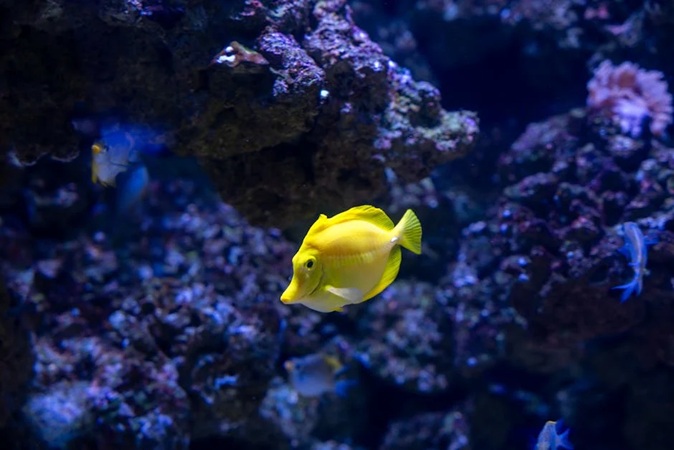
The yellow tang, scientifically known as Zebrasoma flavescens, is a captivating member of the Acanthuridae family, commonly referred to as surgeonfish. This family encompasses over 80 distinct species of tangs, each with unique characteristics, such as the striking purple tang or the distinctive blue hippo tang. The yellow tang is instantly recognizable by its striking, uniform lemon-yellow coloration and its distinctive disk-shaped, laterally compressed body.
As adults, these fish typically reach a size of 7–8 inches (18–20 cm) in length, with a maximum recorded length of 20.0 cm TL. Their streamlined form is perfectly adapted for navigating the complex structures of coral reefs. One of the most notable physical adaptations of the yellow tang, and indeed all surgeonfish, is the presence of a sharp, retractable white peduncular spine located on either side of the caudal peduncle (the narrow part of the fish’s body where the tail fin attaches). This spine, often likened to a surgeon’s scalpel, is primarily used for defense against predators or during territorial disputes. Hobbyists must handle these fish with extreme care to avoid injury from their spines.
A fascinating aspect of the yellow tang’s biology is its ability to undergo a nocturnal color change. During daylight hours, its bright yellow hue is unmistakable. However, as night falls and the fish seeks refuge within the reef, its color can fade to a grayish-yellow, often accompanied by a prominent white lateral stripe. This temporary camouflage helps them blend into their surroundings, offering protection from nocturnal predators. As dawn breaks, their vibrant yellow returns.
In the wild, the yellow tang exhibits an anti-tropical distribution. While it is particularly abundant and iconic in the Hawaiian Islands, its natural habitat extends across the Central Pacific reefs, reaching westward to the Marianas Islands and Japan, and eastward, though less commonly, to areas off the coast of Florida. These fish typically inhabit shallow coral reefs, ranging in depth from 2 to 46 meters (6.6–150.9 ft), where they graze on algae.
Physical Adaptations Of The Yellow Tang:
- Disk-shaped, Laterally Compressed Body: Ideal for maneuvering through intricate reef structures.
- Vibrant Lemon-Yellow Pigmentation: A striking visual cue, though subject to nocturnal changes.
- Adult Size: Reaching up to 7-8 inches, requiring ample space in captivity.
- Retractable White Peduncular Spine: A sharp, scalpel-like defense mechanism.
- Nocturnal Color Change: Transitioning to grayish-yellow with a white lateral stripe for camouflage.
- Comb-like Teeth: Specialized for scraping algae from rocks and coral.
The Global Impact Of Sustainable Marine Aquaculture
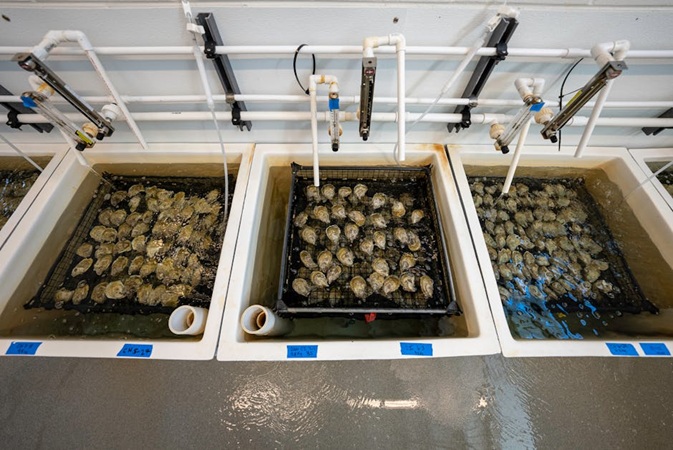
The increasing demand for marine aquarium fish has historically placed significant pressure on wild populations. However, the landscape is shifting as sustainable marine aquaculture rises. This innovative approach involves the captive breeding of marine species, offering a viable alternative to wild collection. Organizations like the Oceanic Institute and Rising Tide Conservation have been at the forefront of these efforts, dedicating resources to understanding and replicating the complex life cycles of popular aquarium fish, including the yellow tang.
Yellow tang reproduction in the wild involves broadcast spawning, in which females release eggs and males release sperm directly into the water column. This typically occurs in groups, often peaking around the full moon, demonstrating a clear lunar periodicity. A single female can produce approximately 40,000 eggs annually. These eggs hatch into pelagic larvae that drift in ocean currents for an extended period before settling onto the reef as juveniles. Replicating this delicate larval development stage in captivity has been a major hurdle, but breakthroughs have paved the way for more widespread captive breeding.
Technological Breakthroughs In Sustainable Marine Aquaculture
Significant advancements in aquaculture technology have made the captive breeding of yellow tangs a reality. A pivotal moment occurred in 2015 when the Oceanic Institute at Hawaii Pacific University announced the successful captive breeding of yellow tangs. The key challenge lies in understanding and meeting the precise nutritional requirements of the pelagic larval stage, which are microscopic and highly sensitive. This involved developing sophisticated techniques for copepod cultivation, as these tiny crustaceans serve as the primary food source for the delicate larvae. These breakthroughs not only ensure a consistent supply of fish but also deepen scientific understanding of marine species.
The Economic Viability Of Sustainable Marine Aquaculture
The economic implications of sustainable aquaculture are profound. Prior to the Hawaii export ban in 2021, up to 70% of aquarium yellow tangs were sourced from Hawaiian waters. Following this ban, market pricing for yellow tangs shifted dramatically, quadrupling from around $65–70 to over $400 per specimen. This surge in price underscored the vulnerability of a supply chain heavily reliant on wild collection.
The ability to produce yellow tangs through aquaculture provides crucial stability to the supply chain, reducing dependence on fluctuating wild populations and unpredictable environmental conditions. While the initial investment in aquaculture facilities and research can be substantial, the long-term sustainability and consistent availability of captive-bred fish ultimately benefit hobbyists, retailers, and the marine environment. It also supports the ethical sourcing of other popular tangs, such as the orange-shoulder tang or the black-shoulder tang, by proving the viability of captive breeding for the entire family.
Conservation Challenges & The Hawaii Export Ban
Despite its widespread popularity in the aquarium trade, the yellow tang currently holds a conservation status of “Least Concern” on the IUCN Red List of Threatened Species. This assessment, however, does not diminish the very real overfishing risks that wild populations face, particularly in areas with intensive collection for the aquarium hobby. The establishment of Fish Replenishment Areas (FRAs) along the West Hawaii Coast and the subsequent 2021 collection ban highlight the critical need for protective measures.
These FRAs and bans have demonstrated the remarkable resilience of marine ecosystems. Studies have shown that marine protected areas can significantly aid in population recovery through larval connectivity. Yellow tang larvae, for example, are known to drift over 100 miles, effectively reseeding distant populations and bolstering genetic diversity. This larval dispersal is a vital natural mechanism for maintaining healthy fish stocks across vast oceanic stretches.
Beyond their aesthetic appeal, yellow tangs play a crucial role in maintaining coral reef health. They are voracious herbivores that constantly graze on filamentous algae. This “lawnmower” behavior prevents algae from overgrowing and suffocating corals, which are essential building blocks of the reef ecosystem. In some instances, they even provide cleaner services, removing algae from the shells of marine turtles. The removal of such key herbivores from reefs can have cascading negative effects on the entire ecosystem.
However, wild yellow tang populations, like many marine species, face numerous threats that extend beyond collection for the aquarium trade. These include:
- Habitat Destruction: Damage to coral reefs from pollution, destructive fishing practices, and coastal development.
- Climate Change: Rising ocean temperatures lead to coral bleaching, while ocean acidification impairs coral growth and the ability of many marine organisms to form shells.
- Pollution: Runoff from land-based activities introduces harmful chemicals and nutrients into coastal waters, degrading water quality.
- Disease: Outbreaks of marine diseases can decimate fish populations, often exacerbated by environmental stressors.
The Hawaii export ban, while initially causing a significant price increase for yellow tangs, has spurred greater investment and success in captive breeding efforts. This shift towards aquaculture reduces pressure on wild populations, offering a more sustainable future for both the fish and the hobby.
Ethical Husbandry: Providing A Long-Term Habitat
Bringing a yellow tang into your home aquarium is a commitment to providing an environment that mimics its natural habitat as closely as possible. Ethical husbandry begins with understanding the specific needs of this active and sometimes territorial fish.
The minimum recommended aquarium size for a single adult yellow tang is 125 gallons. While some sources suggest smaller tanks (e.g., 70 gallons), the consensus among experienced hobbyists and marine biologists is that a larger tank is crucial. This provides ample swimming space, which is vital for a fish that spends much of its day actively grazing and navigating. Confining a yellow tang to a tank that is too small can lead to chronic stress, aggression, and health issues. For those considering keeping multiple tangs, such as a group of blue-eyed tangs or a mixed species display, even larger tanks (500 gallons or more) are necessary, and they should ideally be introduced simultaneously to mitigate territorial aggression.
Yellow tangs are generally considered semi-aggressive. They can be territorial, especially towards other tangs or fish with similar body shapes and feeding habits. If you plan to keep more than one tang, introducing them at the same time in a sufficiently large aquarium can help distribute aggression. However, it’s often safest to keep a single yellow tang unless you have an exceptionally large system that can accommodate a group.
Maintaining stable, appropriate water parameters is paramount for your yellow tang’s health. The ideal conditions include:
- pH: 8.1–8.4
- Temperature: 72–82°F (24–28°C)
- Specific Gravity (Salinity): 1.020–1.025
- Alkalinity (dKH): 8–12
These parameters should be monitored regularly using reliable test kits. Strong biological filtration, adequate water flow, and consistent water changes are essential to maintain water quality.
As herbivores, the diet of a yellow tang is predominantly plant-based. In the wild, they constantly graze on filamentous algae. In captivity, their diet should primarily consist of high-quality marine-based seaweeds, such as nori and spirulina, offered multiple times a day. These can be secured with a veggie clip or placed under a rock to simulate natural grazing. While their diet is largely herbivorous, occasional supplemental meaty foods, such as mysis shrimp or vitamin-enriched brine shrimp, can be offered to provide a broader nutritional profile. Ensuring a varied, nutrient-rich diet is crucial for preventing Head and Lateral Line Erosion (HLLE), a common ailment in tangs linked to nutritional deficiencies and poor water quality.
Yellow tangs are also susceptible to marine ich (Cryptocaryon irritans), a common parasitic disease in marine aquariums, especially when stressed. Providing a stable environment, excellent water quality, and a robust diet helps bolster their immune system. They also secrete a protective mucus layer, which acts as a natural defense against parasites. Careful acclimation and quarantine procedures for any new additions to the aquarium are vital steps in preventing disease outbreaks.
Frequently Asked Questions About Ethically Sourced Marine Life
How does sustainable marine aquaculture protect wild coral reefs?
Sustainable marine aquaculture significantly reduces the demand for wild-caught fish, alleviating collection pressure on natural coral reef ecosystems. By providing an alternative supply of popular species like the yellow tang, it helps preserve the biomass of wild populations, maintains the delicate ecological balance of reefs, and prevents the depletion of key herbivores that are essential for controlling algal growth. This allows wild populations to thrive and contributes to the overall health and biodiversity of coral reefs.
What are the primary health benefits of choosing aquacultured yellow tangs?
Aquacultured yellow tangs offer several distinct health advantages. They are typically parasite-free from birth, reducing the risk of introducing diseases into your aquarium. These fish are also accustomed to prepared foods, making them easier to feed and acclimate to a captive diet. Furthermore, they generally experience lower stress levels because they haven’t undergone the rigors of wild collection and transportation. This leads to higher survival rates and, in the long term, to stronger, more disease-resistant fish.
Why is the yellow tang considered an essential species for reef aquariums?
The yellow tang is highly valued in reef aquariums primarily for its exceptional ability to control nuisance algae. Its constant grazing helps keep undesirable algal growth in check, preventing it from overrunning and harming corals. Beyond its functional role, its vibrant yellow coloration adds significant aesthetic value and dynamic activity to a reef tank. They are generally compatible with sessile invertebrates, making them an excellent choice for mixed reef environments, and their ecological functionality contributes to a balanced and thriving captive ecosystem. Other tangs, like the blue unicorn tang or the ring-tail tang, offer similar benefits, but the yellow tang remains a classic for its iconic color.
Conclusion
Our journey through the yellow tang underscores a fundamental truth: our passion for marine aquariums carries an ethical responsibility. As hobbyists, we have a profound impact on the marine environment, and by making informed choices, we can become powerful advocates for conservation. Supporting sustainable practices, particularly the advancements in captive breeding and aquaculture, is not just a trend; it is the future of responsible reef-keeping.
By choosing ethically sourced fish, providing optimal husbandry, and continuously educating ourselves, we contribute to the health of our oceans and the longevity of our beloved hobby. Let us embrace this environmental stewardship, ensuring that the vibrant beauty of the yellow tang and countless other marine species continues to inspire awe for generations to come.