Key Takeaways:
- Prioritize safety, then document the scene before focusing on repairs.
- Visible bumper scuffs and small dents can accompany damage to lights, mounts, sensors, or panels.
- A repair estimate should explain parts, labor, paint work, scans, and any possible supplemental damage.
- Ask clear questions about insurance and repairs before authorizing work.
- Inspect the vehicle carefully when repairs are complete.
A low-speed crash on a Westerville neighborhood street, a crowded shopping-center parking lot, or a wet Central Ohio roadway can feel minor at first. Still, a scraped bumper or shallow dent may be only the most obvious result. Taking a measured approach after the impact can protect everyone at the scene and make the next decisions less stressful.
After safety concerns are addressed, drivers may need an auto body shop to inspect visible and hidden damage. The goal is not simply to restore appearance. It is to understand whether the impact affected items that need to fit, operate, or protect occupants correctly.
Step One: Make The Scene Safe
Check yourself, passengers, and others for injuries first. Call 911 when someone may be hurt or when emergency assistance is needed. If the vehicle can be moved safely, pull it out of the flow of traffic, turn on hazard lights, and remain calm. Avoid debating fault at the scene.
Ohio drivers should stay at the scene, exchange required information, and take reasonable steps to warn approaching traffic. The state’s guidance for a crash also advises moving a vehicle off the roadway when it is safe to do so and contacting authorities when appropriate. Reporting requirements may vary depending on the circumstances, so drivers should follow instructions from law enforcement and their insurer.
Step Two: Document Damage Before Leaving
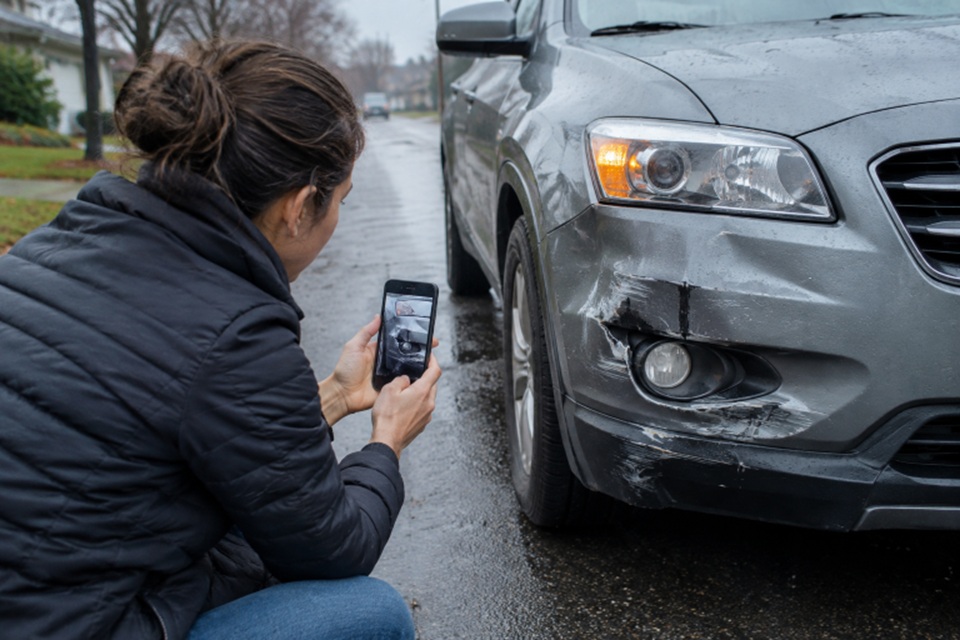
Use a phone to record the scene while details are fresh. Take wide photos showing vehicle positions, lane markings, signs, weather, and the surrounding area. Then take close photos of every dent, scrape, crack, paint transfer mark, broken lamp, or loose trim piece.
Exchange names, contact details, insurance information, vehicle descriptions, and license plate numbers with the other involved parties. Note the time, location, road conditions, and a simple account of what occurred. Clear records can be useful if damage becomes easier to see later or an estimate changes after a more complete inspection.
For damage that requires professional assessment, the term collision repair can encompass much more than replacing a scratched exterior panel. It may involve inspecting mounts, panels, lighting, wheels, safety systems, paint protection, and the vehicle’s overall fit after an impact.
Look For Signs Of Hidden Damage
Modern vehicles often place cameras, parking sensors, brackets, wiring, and energy-absorbing components behind exterior panels. A bumper cover can look only lightly marked while parts behind it have shifted, cracked, or become loose. Driver-assistance features rely on cameras and sensors for functions such as backup views, rear cross-traffic warnings, and automatic braking, as explained in federal information about driver-assistance technologies.
Before driving normally again, look for these warning signs:
- Uneven gaps around the hood, trunk, doors, or bumper.
- A door, hood, or trunk that no longer latches or closes smoothly.
- Cracked lamps, loose trim, exposed wiring, or sharp edges.
- Fluid beneath the vehicle, smoke, or a burning smell.
- New dashboard warning lights or disabled camera and sensor functions.
- Pulling, vibration, steering changes, or a damaged wheel or tire.
When Not To Drive
Arrange a tow rather than driving if the vehicle leaks fluid, has deployed airbags, cannot steer or brake normally, has a damaged wheel, has unsecured body parts, or shows signs of electrical or structural damage. Starting the engine does not establish that a vehicle is safe to operate.
How To Read A Repair Estimate
A written estimate should break the work into understandable categories. Parts may be original equipment, aftermarket, recycled, or reconditioned, depending on the repair plan and applicable policy. Labor can include disassembly, body repair, panel replacement, paint preparation, refinishing, and reassembly.
Also look for materials such as primer, paint, clear coat, clips, fasteners, and corrosion protection. A vehicle may need diagnostic scanning or calibration work when a repaired area is connected to cameras or sensors. Additional damage may only be discovered after panels or trim are removed, which may require a supplemental estimate. Different estimates are not automatically wrong, but each should explain what work is included and why.
Insurance Questions To Ask
- What coverage applies, and what deductible is owed?
- Who approves additional damage found after teardown?
- Does the policy address the types of replacement parts that may be used?
- Is rental transportation included while the vehicle is being repaired?
- How will changes to the approved repair amount be communicated?
Insurance terms vary by policy and circumstance. Keep copies of estimates, photos, claim communications, and repair authorizations. Asking for important answers in writing can prevent confusion later.
Choosing A Repair Facility
Cost matters, but the lowest initial figure does not necessarily show the full repair plan. Compare written estimates and ask whether the facility can explain the proposed parts, repair steps, paint process, corrosion protection, scanning, and final checks. Ask how progress updates will be handled and whether a written warranty applies.
It is also reasonable to ask about experience with the vehicle’s make and its safety equipment. Recent customer reviews can be useful when read for recurring patterns, rather than relying on a single positive or negative comment.
Paint, Dent, & Cosmetic Repairs
Small paint chips and shallow scratches may need touch-up or refinishing. Some dents can be addressed with paintless dent repair when the finish and metal condition allow it. Deeper creases, torn metal, cracked plastic, or weakened panels may require conventional body work or replacement. Any cosmetic repair should also address exposed metal, loose parts, and damage behind the visible surface.
What Happens During Repair & Final Inspection
The typical process includes an initial inspection, estimate, authorization, parts ordering, disassembly, repair or replacement, paint work, reassembly, and quality checks. Timing can change due to parts availability, newly discovered damage, insurer approvals, paint curing, and workload.
At pickup, inspect the vehicle in good light. Check paint color and texture, panel alignment, trim, repaired doors or lids, lights, cameras, parking sensors, and dashboard warnings. Look underneath for leaks or hanging components, compare the final invoice with approved work, and ask what to do if an issue appears afterward.
Conclusion
A fender bender in Westerville does not need to lead to rushed decisions. Focus on safety, document the scene, watch for hidden damage, review repair details carefully, and inspect the completed work before putting the incident behind you.