Key Takeaways:
- Regular tree maintenance enhances tree health and longevity.
- Proper care reduces the safety hazards posed by overgrown or weakened branches.
- Healthy trees contribute to improved air quality and environmental stability.
- Well-maintained trees can increase property value and curb appeal.
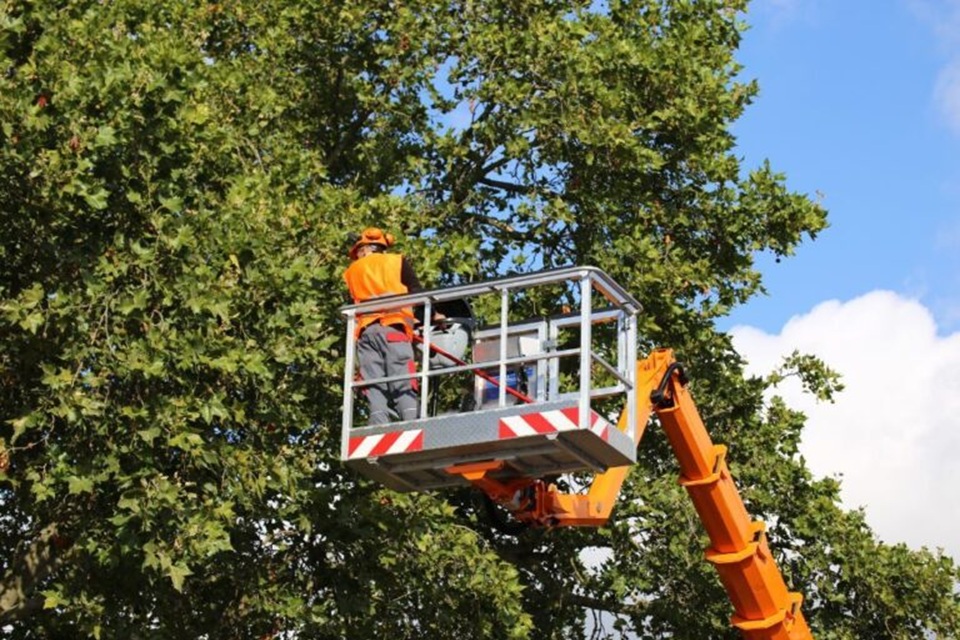
Maintaining healthy trees goes far beyond achieving a tidy appearance in your yard. The practice of routine tree care involves consistent observation, strategic pruning, and timely intervention, all of which protect your landscape and support the ecosystem. Homeowners and property managers in Sun City and the surrounding areas can reap meaningful rewards by prioritizing ongoing tree health. For those seeking comprehensive guidance or immediate service, a professional tree service in Sun City SC can make the difference between flourishing trees and preventable issues that might affect property safety or curb appeal.
Investing in healthy tree maintenance leads to a safer, greener, and more valuable property. Healthy trees benefit your local environment, reduce wildfire risks, and can save on costly repairs or removals in the future. These advantages put healthy tree management at the top of the list for wise property investments.
Well-groomed trees do more than add visual appeal to a property. When trees are regularly cared for, they are better equipped to resist pests, diseases, and the unpredictable climate changes so common in the Southeast. Strong trees mean fewer emergencies and less risk of expensive storm damage. Understanding the lifelong benefits of timely, consistent maintenance supports a more sustainable environment and a better quality of life for the community.
Enlisting experts in quality tree care ensures that every aspect of your landscape receives attention from seasoned professionals familiar with local conditions and species requirements. This investment can lead to more resilient landscapes and stronger property values over the long term.
Enhancing Tree Health
Preventive maintenance is critical to healthy tree growth. Regular pruning removes dead or diseased wood, halting the spread of infections or insect infestations. By removing unnecessary branches, the tree reallocates its nutrients to healthy limbs, increasing vitality and resistance to stress factors. Proper spacing of branches also improves air movement and sun exposure across the canopy, which are essential in minimizing the risk of fungal diseases and optimizing photosynthesis. According to the Arbor Day Foundation, these strategic interventions help trees withstand harsh conditions and extend their lifespan.
Ensuring Safety
Safety should be a primary concern for any property owner with mature trees. Storms, high winds, or dense foliage can turn weakened branches into falling hazards, especially if they overhang roofs, driveways, or walkways. Routine examinations and prompt removal of hazardous limbs minimize the risk of injury or property damage. Proactive care also helps identify underlying issues such as root instability or pest infestations, which could otherwise go unnoticed until a sudden failure occurs.
Environmental Benefits
The ecological impact of healthy trees is profound. Vibrant trees absorb carbon dioxide and pollutants, improving air quality while concurrently producing oxygen. Urban areas with mature tree coverage can experience lower ambient temperatures due to increased shade and reduced heat reflection from hard surfaces. This natural cooling effect is valuable during summer heat waves, reducing dependence on artificial cooling and lowering overall energy consumption. Additionally, robust root systems help stabilize soil, prevent erosion, and mitigate runoff after heavy rainfall.
Boosting Property Value
Curb appeal is a known contributor to higher property values. Properties with mature, well-maintained trees are typically more attractive to potential buyers and can stand out in a competitive real estate market. Paired with a healthy, green landscape, mature trees act as focal points, creating a sense of established beauty and care. In many cases, investments in tree care can be recouped through increased appraisal values and faster sales. According to Kiplinger, a well-placed, mature, and healthy tree can increase your home’s value by 10% to 15%.
Best Practices For Tree Maintenance
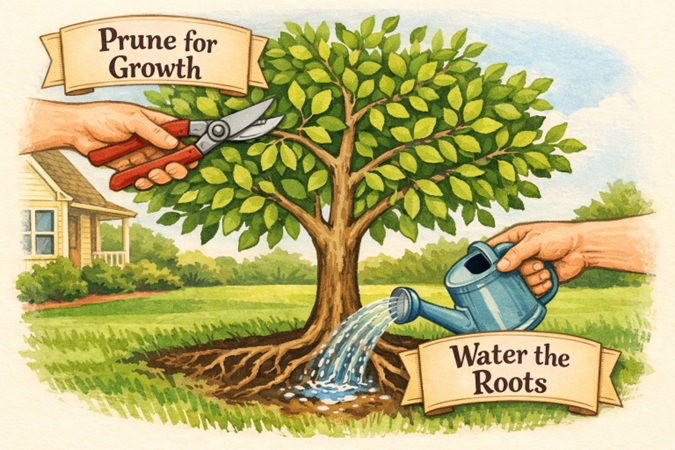
Keeping trees healthy requires homeowners’ dedication and strategic action. Key practices include regular pruning to remove dead or weak limbs, deep watering during dry spells to support young trees, and applying mulch around the root zone to maintain moisture and temperature. Additionally, homeowners should consult certified arborists for customized maintenance strategies based on local flora. By following these guidelines, homeowners can enhance their landscape’s aesthetic appeal, promote air quality, ensure safety, and maintain property value, ultimately benefiting the local environment for future generations.
Conclusion
Healthy trees are a cornerstone of a safe, sustainable, and visually appealing property. Through regular maintenance, such as pruning, deep watering, and mulching, homeowners can enhance tree vitality, prevent hazards, and support the broader environment. Beyond their ecological benefits, well-maintained trees contribute to energy savings, soil stability, and increased property value, making them a valuable long-term investment. By committing to proactive care and seeking expert guidance from certified arborists when needed, homeowners ensure their trees remain vibrant, safe, and beneficial to people and the surrounding ecosystem for years to come.