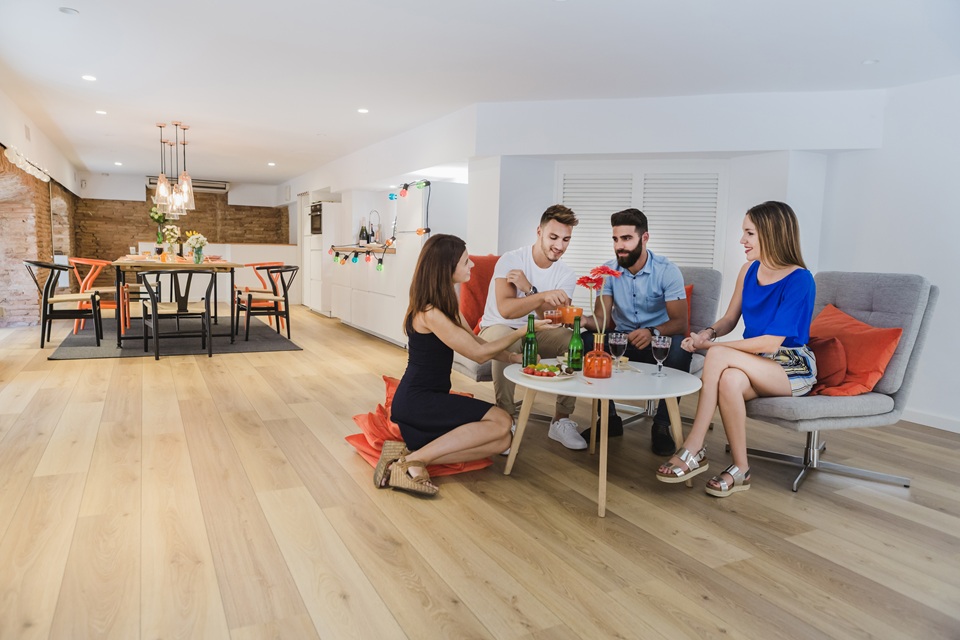
- Flooring choices impact both style and functionality: the right flooring sets the tone for each room while influencing comfort, durability, maintenance, and long-term home value.
- Your lifestyle should guide your decision: factors such as foot traffic, pets, children, and moisture exposure are critical when selecting materials that can handle daily use.
- Each flooring type offers distinct advantages and limitations: hardwood, laminate, vinyl, tile, and carpet differ in durability, maintenance requirements, cost, and ideal applications.
- Maintenance and longevity matter as much as appearance: choosing flooring that aligns with your maintenance habits helps protect your investment and avoid future frustration.
- Budgeting goes beyond material costs: installation, subfloor preparation, and long-term care should all be considered when planning your flooring investment.
- Professional guidance reduces risk: Experienced flooring specialists can recommend materials suited to your home’s structure, climate, and design goals—especially in regions with unique environmental factors.
- Staying aware of trends enhances design cohesion: mixing flooring types can add character, but limiting finishes helps maintain a balanced, unified look.
- Testing samples builds confidence in your choice: viewing flooring options in your own space and lighting conditions helps prevent costly mistakes and ensure lasting satisfaction.
When embarking on home renovations, selecting the right flooring is a pivotal decision that shapes the aesthetics and functionality of your living space. The floors you choose set the tone for every room, impacting how it feels, how easy it is to maintain, and the overall value of your property. With a myriad of options available today, each with its own benefits and drawbacks, understanding the nuances of each flooring material can help you make an informed choice that’s truly tailored to your unique lifestyle, family needs, and design preferences. For residents in Colorado or anyone seeking expert guidance on engineered hardwood, partnering with trusted professionals is especially crucial. Soen Hardwood, for example, brings over 23 years of industry experience, providing residents with premium products and comprehensive services, including custom stair solutions and refinishing, ensuring a seamless process from selection to installation.
Assess Your Lifestyle & Needs
Before you even start browsing samples, it’s essential to honestly evaluate the daily life and routines within your home. High-traffic areas like kitchens, hallways, and living rooms demand extremely durable flooring materials that can withstand constant footfall, occasional spills, and moving furniture. Meanwhile, bedrooms, home offices, or other quieter spaces may benefit from softer, more comfortable flooring underfoot, promoting warmth and relaxation. Consider whether you have young children who might be prone to spills or accidents or pets that could scratch or stain certain surfaces. Additionally, consider how much moisture the area receives, as bathrooms, laundry rooms, and basements often require water-resistant flooring. Taking these factors into account early on will significantly narrow your options and ensure your selected flooring meets the everyday demands of your household.
Explore Popular Flooring Options
- Hardwood Flooring: Offers timeless beauty and can increase property value. Hardwood is available in numerous species, finishes, and plank sizes, lending warmth and sophistication to any room. However, it may be susceptible to scratches from pets or furniture, and excessive moisture can cause warping or staining, making it less ideal in kitchens or basements without proper sealing and care.
- Laminate Flooring: Mimics the appearance of natural wood or stone at a much more affordable price point. Modern laminate has improved dramatically in appearance and durability—it’s resistant to scratches, fading, and general wear. However, traditional laminate can still be prone to moisture damage; if water seeps into the seams, it may cause swelling or separation.
- Vinyl Flooring: Highly durable and exceptionally water-resistant, making it an excellent choice for kitchens, bathrooms, mudrooms, and even commercial spaces. Today’s luxury vinyl planks (LVP) and luxury vinyl tile (LVT) can convincingly replicate wood, tile, or stone in a wide range of styles and colors, while offering a slightly softer feel underfoot than ceramic tile.
- Tile Flooring: Both ceramic and porcelain tiles are well-suited to moisture-prone areas, such as bathrooms and entryways. Tile comes in endless designs, colors, and sizes, allowing homeowners to create custom looks. While highly durable and stain-resistant, tiles can feel cold or hard underfoot and may benefit from radiant heating where extra warmth is desired. Grout lines also require periodic cleaning or sealing.
- Carpet: Provides warmth, cushioning, and comfort, especially desirable in bedrooms and family rooms. Carpet is available in various fibers, piles, and patterns. It does require regular vacuuming and deeper cleanings to remove dust, allergens, and potential stains, and it may not be the best option for allergy sufferers or moist environments.
Consider Maintenance & Longevity
Each flooring type has its own set of maintenance requirements and expected lifespan. Hardwood floors may need periodic refinishing to restore their original luster if they become scratched or dulled over time. Laminate, on the other hand, is easy to clean and resists wear but cannot be refinished if it’s deeply scratched or damaged—it will need to be replaced. Carpets must be vacuumed regularly and professionally cleaned occasionally to keep them fresh and free of allergens. Tile floors are generally low-maintenance, but keeping grout lines clean and resealing them every few years is crucial. With vinyl, simply sweeping and occasional mopping is generally enough to keep it looking its best. Assess your willingness and ability to perform regular maintenance or schedule professional care, and weigh this against the long-term costs and effort involved. Choosing flooring with a care routine that fits your lifestyle will prevent frustration and maximize your investment over the years.
Budget Wisely
Flooring costs can vary significantly, not only in the price per square foot for materials but also in installation, removal of old floors, underlayment, and future care. Hardwood and natural stone are often more expensive upfront but they can add considerable value and appeal to your home. Laminate and vinyl, by contrast, are budget-friendly, easy to install, and available in a variety of stylish designs that mimic more expensive options. For households on a budget, these alternatives offer an excellent compromise between appearance and price. Tile pricing falls between these ranges, but it is very long-lasting and highly resistant to wear. Remember to factor in any unique installation needs—such as subfloor preparation or transitions between flooring types in open-plan homes. Setting a clear budget early in your project helps you balance financial constraints with your desire for quality, comfort, and longevity in your new floors.
Seek Professional Guidance
While online research and showroom visits can be insightful, consulting directly with flooring experts is often the fastest way to narrow your choices and find solutions tailored to your needs. Experienced professionals can evaluate your home’s subfloor, identify potential challenges, and recommend materials that suit your lifestyle and the local climate. In Colorado, for instance, expansion and contraction due to dry air and seasonal humidity are real concerns. Soen Hardwood specializes in engineered hardwood and understands these unique challenges, offering tailored advice and installation methods to prevent problems over time. They also handle custom staircases and refinishing, ensuring that every aspect of your flooring project is handled with care and expertise. Partnering with a reputable company also means you’ll benefit from warranties and ongoing support should you ever need repairs or additional maintenance in the future.
Stay Informed About Trends
Flooring trends continually evolve, influenced by new materials, design innovations, and changing homeowner preferences. Recently, designers and homeowners have embraced the idea of mixing and matching flooring types throughout the home—combining materials like wood and tile for individualized style and practicality. As highlighted in a recent article on KSL.com, this approach can add unique character to your space, but it’s wise to follow the “rule of three.” Using a maximum of three different flooring finishes throughout your home helps prevent visual clutter and ensures a harmonious, cohesive look. Keeping up with trends also means learning about technological advances, such as waterproof hardwood or eco-friendly finishes, which can expand your options and enhance the functionality of your floors.
Test Samples In Your Space
Seeing is believing—never underestimate the importance of taking samples of your favorite flooring options and placing them in your home before making a final decision. Natural light, wall color, and existing furnishings can dramatically change how a floor looks and feels. Observe how each sample appears throughout the day, in both natural and artificial light, to ensure the color, texture, and overall vibe match your vision for your home. This extra step prevents buyer’s remorse, saving you time and money by ensuring your final choice is one you’ll enjoy for years to come.
Conclusion
Choosing the right flooring involves a blend of practicality, aesthetics, and personal preference, along with an honest assessment of your home’s unique needs. By thoroughly evaluating your lifestyle, exploring the features and drawbacks of each flooring option, and consulting with skilled professionals, you can confidently select a solution that will enhance your home’s beauty and comfort for years. With the right approach, you’ll enjoy a space that not only meets your daily needs but also reflects your personal style and enhances your property’s overall value.