
Introduction
In our interconnected world, moving people and goods efficiently and reliably is more important than ever. Beyond basic transport, Professional Transportation is about delivering a superior, consistent, and secure experience. It is the silent force that keeps industries running, ensures timely deliveries, and makes personal journeys smooth.
We understand that dependability and precision are not just conveniences; they are necessities. From intricate logistics networks supporting major industries to ensuring every passenger arrives safely and on time, professional transportation elevates expectations. It transforms simple travel into a seamless, stress-free part of life or business.
This extensive guide will explore the many facets of professional transportation. We will define its core principles and highlight the advanced technologies that drive its success. We will also uncover the rigorous standards for safety, maintenance, and driver training, and examine the diverse range of services offered. Join us as we delve into how these services meet complex demands and deliver unparalleled performance.
Defining Professional Transportation & Its Core Impact
Professional transportation encompasses a wide array of specialized services designed to meet specific logistical needs with the highest standards of safety, reliability, and efficiency. It distinguishes itself from general transport by its commitment to precision, advanced operational protocols, and specialized training. At its heart, professional transportation is about delivering peace of mind, knowing that critical movements are handled by experts.
One of the most prominent examples of a leader in this field is Professional Transportation, Inc. (PTI). Founded in 1980, PTI has grown to become a cornerstone of specialized transportation, particularly within the railroad industry. Headquartered in Evansville, Indiana, PTI’s journey began with a clear vision: to provide dependable and safe crew transportation. Over the decades, it has expanded its footprint significantly, now operating in 36 states across the nation. This extensive reach is supported by a substantial workforce, with over 6,100 associates nationwide, and a growing team of employees, demonstrating consistent growth year after year.

PTI primarily serves major railroad companies, offering crucial over-the-road and dedicated yard van services. This specialized focus means ensuring that railroad crews are transported safely and punctually to their next assignments, often operating 24 hours a day, 365 days a year. The demands of the railroad industry—where delays can have cascading economic impacts—underscore the critical role of professional transportation providers like PTI. Their clients include some of the biggest names in the industry, such as CSXT, Kansas City Southern, Norfolk Southern, Union Pacific, Amtrak, BNSF Railway, Canadian Pacific Railroad, Utah Railway, and Portland and Western Railroad.
The impact of professional transportation extends beyond large-scale industrial operations. Consider, for instance, the intricate logistics involved in managing specialized transfers in diverse and often challenging environments. Whether it’s ensuring timely connections for passengers arriving at major international hubs or facilitating critical movements in remote regions, the principles of professional transportation remain paramount. For those seeking reliable and expert transport solutions in specific geographical contexts, exploring options like Professional JRO Arusha transfers highlights the global need for such specialized services.
The commitment to excellence in this sector is often reinforced through continuous learning and certification. Professionals in transportation continually seek to enhance their skills and knowledge, a dedication that benefits the entire industry. To truly understand the commitment to expertise that underpins this field, one might wish to Explore the benefits of professional certification, which showcases the rigorous standards and ongoing development required to excel.
Advanced Technology In Professional Transportation
The backbone of modern professional transportation lies in its sophisticated technological infrastructure. Companies like PTI leverage cutting-edge systems to ensure seamless operations, enhance safety, and maintain unparalleled efficiency. Two prime examples of such innovation are PTI’s proprietary CREW and CrewNav systems.
These integrated technology platforms provide end-to-end solutions for managing complex transportation logistics. The CREW system, along with CrewNav, allows for real-time monitoring and comprehensive trip management. This means that every vehicle, every driver, and every passenger or cargo movement can be tracked and coordinated with precision. Dispatch operations, which run 24/7, are integrated with these systems, enabling real-time communication, immediate problem-solving, and dynamic adjustments to schedules. This level of technological integration is crucial for maintaining on-time performance, especially in industries where punctuality is non-negotiable.
The ability to monitor, track, and coordinate in real-time ensures that if unforeseen circumstances arise—such as traffic congestion, vehicle issues, or route changes—dispatchers can swiftly reroute drivers, communicate updates, and minimize disruptions. This proactive approach, driven by advanced technology, significantly contributes to the reliability and safety of professional transportation services.
Furthermore, the commitment to professional development in this sector extends to how professionals manage and track their ongoing education and qualifications. Just as transport systems track movements, individuals can track their growth. A valuable resource for professionals looking to maintain their credentials and demonstrate their expertise is the Professional Development Record Keeping system. Such tools underscore the industry’s dedication to continuous improvement, both in its operational technology and its human capital.
The Pillars Of Reliability: Safety, Maintenance, & Training
The bedrock of any truly professional transportation service is an unwavering commitment to safety, meticulous vehicle maintenance, and comprehensive driver training. These three pillars work in concert to ensure reliability and on-time performance, which are non-negotiable in this demanding industry.
Consider the sheer scale of operations for a company like PTI. In 2017 alone, their fleet traversed approximately 115.7 million miles across its 36 states of operation. Covering such vast distances day in and day out, 24/7, necessitates an exceptional focus on safety. PTI, for example, boasts an internal safety department that is unlike any other in the industry. This department is dedicated to constant evaluation and training for its thousands of associates. Drivers undergo rigorous testing and continuous training in various safety areas, ensuring they are always prepared for diverse road conditions and potential hazards.
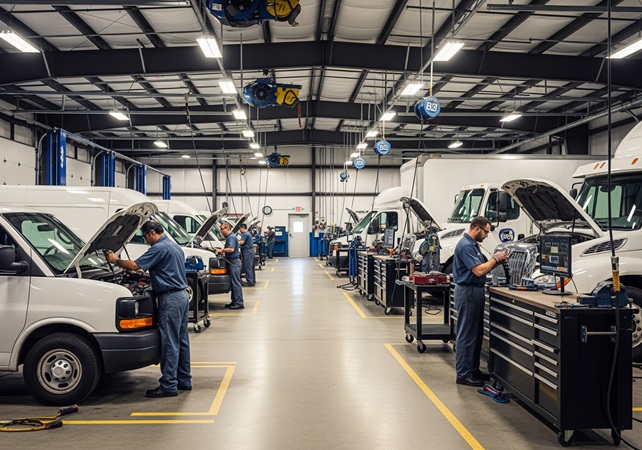
Beyond driver training, the reliability of the fleet is paramount. Professional transportation companies understand that their vehicles are their primary tools, and their condition directly impacts safety and performance. This is why fleets undergo regularly scheduled maintenance using the latest diagnostic technology. Continual inspection and proactive maintenance prevent breakdowns, extend vehicle life, and, most importantly, ensure that every vehicle on the road is safe and dependable. This commitment to maintaining a high-quality fleet is a hallmark of Signature Professional Transportation and other leading providers who prioritize operational excellence.
Driver training extends beyond just safety protocols; it also includes customer service, route optimization, and the effective use of in-vehicle technology. The goal is to cultivate a cadre of highly qualified drivers who are not only skilled behind the wheel but also embody the company’s commitment to professionalism.
Professional transportation providers also extend significant benefits to their drivers, recognizing their integral role in the success of the operation. These benefits often include:
- Flexible Schedules: Many roles offer 24-hour flexibility, accommodating both full-time and part-time commitments.
- Comprehensive Benefits: Access to health insurance, 401(k) retirement plans, and paid vacation.
- Independence: Drivers often appreciate the autonomy of being on the road.
- Ongoing Training: Regular safety and skills development training.
- Provided Resources: Companies typically supply vehicles, fuel, maintenance, and safety equipment, reducing the burden on drivers.
This holistic approach—combining rigorous safety standards, proactive vehicle maintenance, and comprehensive driver support and training—is what allows professional transportation services to consistently deliver on their promise of reliability and on-time performance.
Diverse Applications Of Professional Transportation Services
While the railroad industry represents a significant segment, professional transportation services extend far beyond crew transport, catering to a multitude of specialized needs across various sectors. The versatility and adaptability of these services are key to their definition, ensuring that critical personnel, sensitive materials, and valuable goods reach their destinations securely and efficiently.
Here are some of the diverse applications where professional transportation plays a crucial role:
- Crew Transport: As seen with railroad operations, this involves moving teams of workers, often on strict schedules and to remote locations, ensuring they are rested and ready for their shifts. This can include airline crews, construction teams, or emergency responders.
- Mining & Utility Transport: Operating in challenging terrains and often isolated areas, these services transport personnel, equipment, and supplies to mines, power plants, and other utility infrastructure. Safety and specialized vehicle capabilities are paramount.
- Pharmaceutical Transportation Service: This highly regulated sector demands precise temperature control, secure handling, and strict adherence to delivery timelines for medicines, vaccines, and other sensitive medical products.
- Medical Courier Service: Essential for healthcare, these services transport critical items like lab samples, organs for transplant, medical records, and equipment between hospitals, clinics, and laboratories, often requiring urgent, time-sensitive delivery.
- Auto Ramp Services: Facilitating the movement of vehicles, often new or leased, from one location to another, ensuring they arrive in pristine condition. This can involve single-car transport or managing entire fleets.
- Local Delivery Service: While seemingly straightforward, professional local delivery involves optimized routing, efficient handling, and reliable scheduling for businesses that require consistent, timely distribution within a defined geographical area.
- Corporate Transportation Services: Providing executive and employee transport, often with a focus on comfort, discretion, and punctuality for meetings, events, or daily commutes.
- Service Transport: A broad category that includes moving specialized equipment or personnel for field service operations, such as technicians for repairs or maintenance.
- Car Transport Service: Moving personal or commercial vehicles over long distances, often requiring specialized trailers and careful handling.
- Employee Transport Service: Similar to corporate transportation but often on a larger scale, providing shuttle services for employees to and from workplaces, particularly in industrial parks or areas with limited public transit.
These varied applications highlight the bespoke nature of professional transportation. Each service type demands specific protocols, equipment, and driver expertise, demonstrating the industry’s capacity to adapt and innovate to meet complex logistical challenges.
Service Type Primary Focus Key Characteristics Crew Transport Moving personnel for industrial/operational shifts Punctuality, 24/7 availability, safety in diverse environments Mining & Utility Transport Personnel/equipment to remote, rugged sites Specialized vehicles, off-road capability, safety protocols Pharmaceutical Transport Sensitive medical products Temperature control, security, regulatory compliance Medical Courier Urgent biological samples, records, organs Speed, sterile handling, chain of custody Auto Ramp Services Vehicle relocation (new, leased, personal) Damage prevention, secure loading/unloading, specialized trailers Local Delivery Timely distribution within a specific area Route optimization, efficiency, consistent scheduling Corporate Transport Executive/employee travel Comfort, discretion, punctuality, professional drivers Strategic Advantages of Industry Leaders
In the competitive landscape of transportation, certain providers rise to the top by offering distinct strategic advantages that set them apart. These advantages are built upon a foundation of operational excellence, technological prowess, and an unwavering commitment to their workforce and clients.
A key differentiator for leading professional transportation companies is their sophisticated dispatch operations. These centers function 24/7, 365 days a year, acting as the nerve center for all movements. Equipped with advanced communication systems and real-time tracking, dispatchers continuously monitor routes, coordinate with drivers, and respond to dynamic changes, ensuring maximum efficiency and on-time performance. This round-the-clock vigilance is critical for industries that operate continuously, like railroads or emergency services.
Another significant advantage lies in their approach to vehicle maintenance. Rather than reactive repairs, industry leaders implement proactive, regularly scheduled maintenance programs. Utilizing the latest diagnostic technology, they ensure that every vehicle in their fleet is in optimal condition, minimizing downtime and enhancing safety. This commitment to a well-maintained fleet directly translates into reliability for clients.
Driver training and certification are also paramount. Top-tier professional transportation providers invest heavily in their drivers, considering them the frontline representatives of their service. This includes not only initial comprehensive training but also ongoing education in safe driving practices, customer service, and the use of new technologies. Many companies pride themselves on the quality of their drivers, asserting that their teams meet the highest classification of training and are among the best in the industry. This focus on human capital is a core reason why clients choose these providers over competitors.
Beyond operational specifics, a commitment to equal opportunity employment is a strategic advantage, fostering a diverse and inclusive workforce. Companies that take affirmative action to recruit underrepresented minorities and females not only build stronger teams but also reflect a broader commitment to ethical business practices.
The combination of advanced technology, rigorous maintenance, superior driver training, and a dedication to operational excellence positions leading companies as America’s Top Professional Transportation Network. Their ability to provide nationwide scale with local offices in each state ensures that clients receive consistent, high-quality service regardless of location.
Choosing A Professional Transportation Provider
When selecting a professional transportation provider, businesses and individuals should look for specific qualities that guarantee reliability, safety, and efficiency. The decision can significantly impact logistical outcomes, operational costs, and overall peace of mind.
Firstly, regulatory compliance and a demonstrable dedication to safety are non-negotiable. A reputable provider will have a robust internal safety department, comprehensive driver testing and training programs, and a pristine record of fleet inspections. They should be transparent about their safety protocols and able to articulate how they minimize risks across millions of miles of travel.
Secondly, the quality of the workforce, particularly the drivers, is crucial. Look for providers who emphasize extensive driver training, not just in driving skills but also in customer service, attention to detail, and professional conduct. Drivers should be highly qualified, reliable, and dedicated to on-time performance. A company that treats its drivers well, offering competitive benefits and flexible schedules, often cultivates a more motivated and professional team.
Thirdly, assess the provider’s technological capabilities. Modern professional transportation relies heavily on advanced systems for dispatch, tracking, and communication. Integrated solutions that offer real-time monitoring and dynamic adjustments are indicative of a provider committed to efficiency and responsiveness.
Finally, consider the breadth and depth of their service offerings. Whether your needs are for specialized crew transport, pharmaceutical logistics, or general freight, ensure the provider has proven expertise in that specific domain. A comprehensive logistics partner can offer tailored solutions, such as those highlighted by Professional Transportation Logistics Home, ensuring that all your transport requirements are met with precision and care.
By prioritizing these factors, clients can make informed decisions that lead to successful, stress-free transportation experiences.
Frequently Asked Questions About Professional Transportation
Navigating professional transportation can bring up several common questions. Here, we address some of the most frequently asked queries to provide clarity and insight into this vital industry.
What industries rely most on professional crew transport?
Professional crew transport is essential for industries that operate on strict schedules, often in remote or specialized environments, and require the reliable movement of personnel. The railroad industry is a prime example, where crews must be transported punctually to their next assignments to keep freight and passenger lines moving efficiently 24/7. Beyond railroads, the mining and utility sectors heavily depend on professional transport to move workers to and from often isolated sites, ensuring operational continuity. Corporate sectors also utilize professional crew transport for executive travel, employee shuttles, and event logistics, where punctuality, comfort, and discretion are paramount.
How do providers ensure safety across millions of miles?
Ensuring safety across millions of miles is a multi-faceted endeavor that forms the core of professional transportation. Leading providers implement several critical measures:
- Internal Safety Departments: Dedicated teams continuously evaluate safety protocols, conduct risk assessments, and ensure compliance with all regulations.
- Constant Evaluation and Training: Drivers undergo rigorous initial training and ongoing education in defensive driving, hazard recognition, and emergency procedures. This includes regular testing to maintain high standards.
- Fleet Inspections and Maintenance: Vehicles are subjected to stringent, regularly scheduled maintenance checks using advanced diagnostic technology. This proactive approach identifies and addresses potential mechanical issues before they become safety hazards.
- Real-time Monitoring: Advanced GPS and telematics systems allow dispatchers to monitor vehicle performance, driver behavior, and road conditions in real-time, enabling immediate intervention if needed.
These integrated efforts create a robust safety culture that protects drivers, passengers, and cargo.
What are the primary benefits for professional drivers?
Professional transportation companies often offer attractive benefits to recruit and retain high-quality drivers, recognizing their critical role. Key benefits typically include:
- Flexible Schedules: Many positions offer 24-hour flexibility, allowing drivers to choose shifts that fit their lifestyle, whether they seek full-time employment or a part-time supplement.
- Independence: Drivers often value the autonomy and freedom of being on the road.
- Comprehensive Benefits Packages: This can include health insurance, 401(k) retirement plans, and paid vacation, providing financial security and work-life balance.
- Ongoing Training and Professional Development: Access to continuous safety training, skill enhancement, and opportunities for career advancement.
- Provided Resources: Companies typically supply and maintain the vehicles, cover fuel costs, and provide necessary safety equipment, reducing personal expenses and responsibilities for drivers.
These benefits aim to create a supportive work environment that values the dedication and professionalism of its driving team.
Conclusion
Professional transportation is far more than just moving from point A to point B; it is a complex, highly specialized industry that underpins the efficiency and safety of countless other sectors. From the meticulous coordination of railroad crews to the urgent delivery of medical supplies, the commitment to reliability, safety, and on-time performance defines its essence.
We have explored how industry leaders leverage advanced technology, rigorous maintenance schedules, and comprehensive driver training to meet the diverse and demanding needs of their clients. The strategic advantages offered by these providers, including their 24/7 dispatch operations, commitment to equal opportunity, and nationwide reach, ensure that businesses and individuals can depend on seamless, secure, and efficient transport solutions.
As our world continues to evolve, the demand for sophisticated logistical solutions will only grow. Professional transportation stands ready to meet these challenges, continually elevating industry standards and ensuring that people and goods arrive exactly where they need to be, precisely when they need to be there. It’s an industry built on trust, precision, and an unwavering dedication to service excellence, shaping the future of logistics and travel for everyone.