
Key Takeaways:
- Choosing the right business structure will deeply impact your liability, personal asset protection, taxes, and long-term business flexibility.
- Protecting intellectual property secures your brand identity, prevents unauthorized use, and preserves your competitive edge.
- Comprehensive contracts reduce the potential for disputes, ensure all parties understand expectations, clarify obligations and deliverables, and ensure all parties understand expectations.
- Compliance with employment laws is non-negotiable to avoid severe financial penalties or lawsuits and to maintain a positive workplace reputation.
- Keeping up with ever-changing local and state regulations is crucial for ensuring uninterrupted business operations and ongoing compliance.
Successfully running a business means more than just providing great products or services—it requires navigating an increasingly complex legal terrain that can have a profound impact on your success and longevity. Each business decision you make, whether it’s about hiring an employee, signing a contract, or designing your brand, is interwoven with legal requirements. Overlooking these details can have costly implications, ranging from financial loss to regulatory issues that could threaten your company’s future. Consulting professionals, such as CC Law Group,APC, can provide vital insights and assist in making informed legal choices, while helping you protect your enterprise from various risks and uncertainties. These experts not only offer strategies about staying compliant but also facilitate proactive legal planning, which is critical for sustainable growth.
Being proactive about legal matters doesn’t just minimize risks—it enables business owners to operate with confidence and peace of mind. Understanding these core legal considerations thoroughly now can prevent costly disputes, regulatory penalties, unexpected challenges, and missed business opportunities down the road. An informed approach to legal matters provides a clear framework for decision-making and reduces the stress that comes with uncertainty. By addressing legal issues head-on, businesses can foster resilience and adaptability, essential traits in today’s competitive landscape.
Choosing The Right Business Structure
The legal structure of your business is more than just a bureaucratic formality—it serves as the foundation for how your company operates, how exposed you are to liability, and what your tax obligations look like. For example, sole proprietorships offer simplicity and are easy to set up. Still, they leave owners personally liable for all the business’s debts and obligations, which can put your personal assets at risk. Partnerships, while allowing for the pooling of resources and shared responsibilities, also involve shared risks and the potential for disagreements that may require robust partnership agreements. Limited Liability Companies (LLCs) and corporations are more complex to establish, but they create a vital legal separation between owners and the business itself. This separation typically shields personal assets from business debts and legal claims.
Additionally, corporations can provide easier access to outside investment and may offer more flexible tax options, but they come with stricter reporting and recordkeeping requirements. Each legal structure has significant implications for how your business is taxed, who is accountable for debts, and how decisions are made. Therefore, it’s essential to have a clear vision for your business’s future and to discuss your plans with both a legal advisor and a financial professional.
Protecting Intellectual Property
Intellectual property (IP) is often a company’s most valuable asset, encompassing original creations and ideas that set your business apart from competitors. This includes trademarks, which protect your brand name, logos, and slogans; copyrights, which shield creative works such as marketing materials, content, or software; and patents, which secure inventions and processes from unauthorized replication. The legal process for obtaining these rights can be complex and takes time, but failing to register them can leave your business vulnerable to infringement and theft. Registering your IP with the U.S. Patent and Trademark Office enhances your ability to stave off imitators, enforce your rights in court, and even monetize your assets through licensing. A proactive IP protection strategy doesn’t stop at registration—it also involves regularly monitoring for potential infringements, renewing filings where necessary, and ensuring that you have clear licensing agreements in place if you let others use your IP. Developing and maintaining robust IP protections can dramatically increase your business’s valuation and guard your hard-earned reputation and innovations from copycats.
Drafting Comprehensive Contracts
Contracts form the backbone of every important business relationship, ranging from customer engagements to supplier agreements and collaborative ventures. Poorly drafted or vague contracts can lead to misunderstandings, costly legal battles, and even the dissolution of key business partnerships. A strong contract does more than outline deliverables and payment terms; it also defines responsibilities, establishes clear timelines, addresses contingencies, and includes specific mechanisms for resolving disputes, such as mediation clauses or forum-selection clauses. Customization is essential—generic templates often overlook business-specific needs or regulatory nuances, which can make them unenforceable or expose your business to unforeseen liabilities. Having every contract reviewed by legal counsel ensures that all provisions are fair, complete, and legally valid. Investing in high-quality contract drafting creates a solid foundation for trust with customers and partners while protecting your interests in the event of disagreements.
Understanding Employment Laws
Employees are central to your business’s long-term success, but hiring and managing staff involves navigating a maze of employment regulations at the federal, state, and local levels. These laws govern crucial areas such as employee classification (including rules for overtime eligibility and exempt status), wage and hour standards, anti-discrimination protections, workplace safety, family and medical leave, and more. For instance, misclassifying an employee as an independent contractor can lead to penalties, back pay, and liability for benefits. Non-compliance with anti-discrimination or harassment laws may also result in costly lawsuits, damage to your reputation, and a demoralized workforce. Keeping up with changes—such as new minimum wage ordinances, health insurance requirements, or expanded family leave—is essential to avoid fines and litigation. An up-to-date employee handbook, regular policy reviews, and training sessions for staff and managers help ensure compliance. The U.S. Department of Labor offers comprehensive resources and regular updates on employment law developments that business owners must know.
Staying Compliant With Local & State Regulations
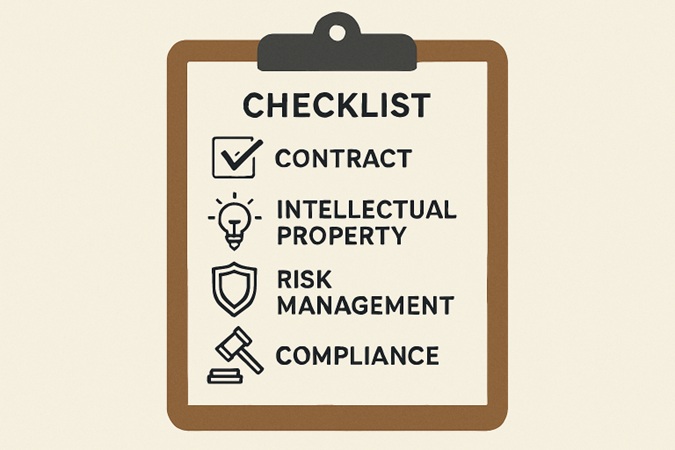
No matter what sector you operate in, local and state regulations profoundly influence your day-to-day business activities. These can include licensing and permitting, zoning requirements, health and safety codes, building regulations, and various local tax obligations, all of which often differ dramatically between cities or states. For example, some states mandate sick pay or specific workplace posting requirements that neighboring states might not. Even the products and services you offer could be subject to unique local standards or bans. Overlooking these requirements can result in delays, closure orders, or costly fines, hindering your business plans and damaging your reputation. Scheduling regular reviews with legal or compliance experts—especially when expanding into new jurisdictions or introducing new products—will help you identify and address potential roadblocks before they become problems.
Implementing Risk Management Strategies
Every business, regardless of size or industry, faces risks that can disrupt operations. These risks range from physical threats such as natural disasters, fire, or theft to legal risks such as consumer lawsuits, data breaches, and changing regulations. Businesses should implement tailored risk management plans that address their unique exposures. Such plans typically include periodic risk assessments, employee training programs, up-to-date emergency and data protection protocols, and the purchase of adequate insurance coverage. Common business insurance types include general liability, which covers property damage or injury claims; professional liability, which protects against claims of negligence or error; and workers’ compensation, which covers employees injured on the job. Reviewing and updating your risk management strategies annually ensures your business remains protected as circumstances evolve and new threats emerge. By preparing for the unexpected, you build resilience that can make the difference between recovery and failure after a crisis.
Seeking Legal Counsel
Establishing an ongoing relationship with a qualified attorney is an invaluable asset for any business owner. Legal professionals provide crucial guidance tailored to your specific industry and goals, helping you anticipate and manage legal needs before they escalate into crises. From drafting watertight contracts to handling regulatory filings, responding to disputes, or negotiating complex deals, an experienced attorney offers invaluable peace of mind. Having a trusted legal advisor ensures you stay ahead of compliance issues, reduces the risk of costly legal mistakes, and allows you to devote more energy to growing your enterprise. Building this relationship early also means your attorney will be more familiar with your business, enabling faster and more effective responses to urgent issues or opportunities.
Conclusion
Legal considerations are fundamental to your business’s health, success, and long-term viability. Proactively investing time and resources in legal compliance, contract development, employment policies, and IP protections doesn’t just defend your business—it actively supports growth and paves the way for innovation. The business landscape is constantly evolving, and staying informed and prepared is vital for any entrepreneur intent on building a thriving company. Business owners who keep legal affairs in order can focus more on clients, products, and expansion, trusting that their legal foundation is reliable. For further guidance and timely updates, exploring reliable sources such as The New York Times – Small Business section can offer valuable insights into best legal practices and emerging challenge