
Key Takeaways:
- Consistent oral hygiene routines keep your smile healthy and bright.
- Smart dietary decisions play a large role in maintaining strong teeth and gums.
- Professional dental care and regular check-ups catch issues early and support lasting oral health.
Your smile is one of the first things people notice about you. Beyond aesthetics, maintaining a bright, healthy smile can boost your confidence and signal strong overall health. Committing to daily routines and healthy choices not only preserves your smile’s appeal but also supports your body’s well-being. Whether it’s improving your at-home care or exploring more comprehensive solutions like full mouth restoration, a proactive approach goes a long way toward long-lasting oral health.
Simple habits like effective brushing and the foods you eat can influence the brightness and health of your smile. Each choice you make, from what is in your lunchbox to the way you care for your teeth before bedtime, either supports or detracts from your oral health. With a few mindful habits, anyone can work toward whiter teeth, healthier gums, and a smile they are proud to show the world. Achieving this starts with understanding the essentials of oral hygiene and the lifestyle factors that matter most.
Brush & Floss Regularly
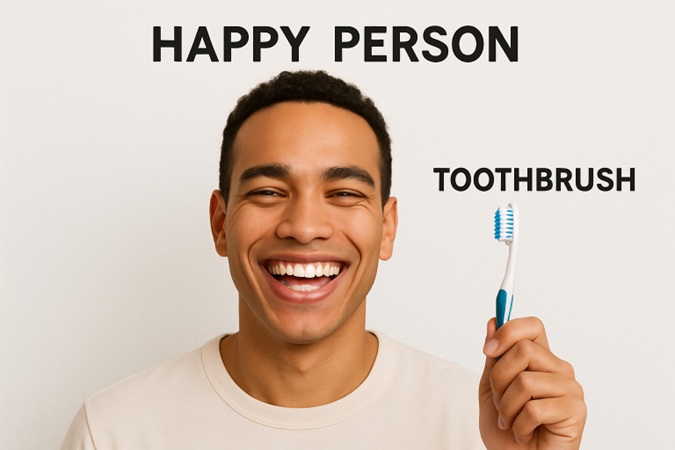
Foundations matter. Brushing your teeth twice daily with fluoride toothpaste is essential for removing plaque, which, if left unchecked, can lead to discoloration and decay. Flossing once a day helps clear debris and plaque from the spaces between your teeth that toothbrushes can’t reach. For optimal results, many dental professionals recommend electric toothbrushes, which often outperform manual ones in plaque removal. This simple daily effort is one of the most impactful steps you can take to ensure your teeth look and feel their best.
Choose The Right Toothbrush
Using a soft-bristled toothbrush is critical to protect your gums and enamel. Hard bristles and aggressive brushing can contribute to gum recession and tooth sensitivity. Today’s electric toothbrushes come with advanced features such as pressure sensors and built-in timers, making it easier to clean thoroughly without overdoing it. Replacing your toothbrush, or the head if you use an electric version, every three to four months also helps prevent bacteria buildup and maximizes the effectiveness of your oral care routine.
Limit Sugary & Acidic Foods
Foods and drinks high in sugar or acid, such as soda, candy, citrus fruits, and sports drinks, can damage your teeth by eroding enamel and fueling harmful bacteria. While these treats can be enjoyed on occasion, moderation makes a difference. After consuming them, rinsing your mouth with water can help neutralize acids, protecting your teeth from deterioration and decreasing the likelihood of cavities. Research shows that dietary choices are just as important as brushing and flossing for keeping your smile healthy.
Stay Hydrated
Water plays a critical role in oral health. Sipping water throughout the day not only keeps you hydrated but also helps wash away food debris and bacteria. It encourages the production of saliva, which is nature’s defense against harmful acids and decay. Saliva contains minerals that help repair weakened enamel and enzymes that aid in digestion. Staying hydrated is particularly important for people with dry mouth, as it can increase the risk of cavities and gum disease.
Avoid Tobacco Products
Smoking or using chewing tobacco dramatically increases your risk for many oral health issues, including yellow or brown stains, gum disease, bad breath, and even oral cancers. Quitting tobacco use can significantly improve the appearance of your teeth and gums, as well as your long-term health. The harmful effects of tobacco extend far beyond your smile, impacting both your cardiovascular and respiratory systems.
Visit Your Dentist Regularly
Routine dental check-ups provide a crucial line of defense against oral health problems that you might not notice yourself. Professional cleanings remove stubborn plaque and tartar that can cause decay and gum disease, even with diligent home care. Your dentist checks for signs of cavities, oral cancers, and other conditions, ensuring issues are caught early for easier, less invasive treatment. Most adults benefit from dental visits at least twice a year, but your provider may recommend a different schedule based on your individual needs.
Consider Professional Whitening
If you are looking for a dramatic change in your smile’s brightness, professional whitening treatments offer faster and safer results than most over-the-counter products. Dentists use safe concentrations of bleaching agents, custom-fit trays, or advanced laser technology to help you achieve the look you want, often in just one or two visits. Consulting your dentist is the best way to determine whether professional whitening or another cosmetic procedure is right for your specific situation and dental history.
Maintain A Balanced Diet
A healthy diet is just as important for your teeth as it is for the rest of your body. Focus on fruits and vegetables that require chewing, like apples and carrots, which naturally help scrub teeth and stimulate saliva production. Dairy products, leafy greens, nuts, and lean proteins provide calcium, phosphorus, and vitamins that keep enamel strong and gums resilient. Limiting starchy and processed foods can further reduce your risk of cavities and other dental problems.
Final Thoughts
Committing to these habits can transform your smile and your health. From your daily brushing to your routine dental visits, every effort matters. Healthy oral hygiene, informed dietary choices, and regular professional care are the keys to unlocking a brighter, more confident smile.