
Key Takeaways:
- Fault determination is based on police reports, eyewitness statements, photographs, and adherence to traffic laws.
- Insurance companies play a central role in determining fault, especially in states that use comparative negligence.
- State regulations, such as no-fault or tort law, dictate how and when fault is assigned, as well as the procedures for claims.
Understanding how fault is determined in an accident case is crucial if you have found yourself involved in a collision or are worried about what you would do if one occurs. Assigning fault directly impacts how insurance companies process claims and who is financially responsible for damages and injuries. If you have experienced a recent accident, consulting a skilled Memphis, TN personal injury lawyer can help clarify your options and ensure your interests are protected from the start. Knowing how the process works is essential for peace of mind and effective action in the aftermath of a crash.
Determining who is at fault in a car or truck accident usually involves reviewing evidence from the scene, interpreting state-specific legal rules, and understanding how insurance companies decide liability. This careful process is the backbone of fair compensation and helps prevent further disputes from escalating after an incident.
Evaluating Evidence At The Scene
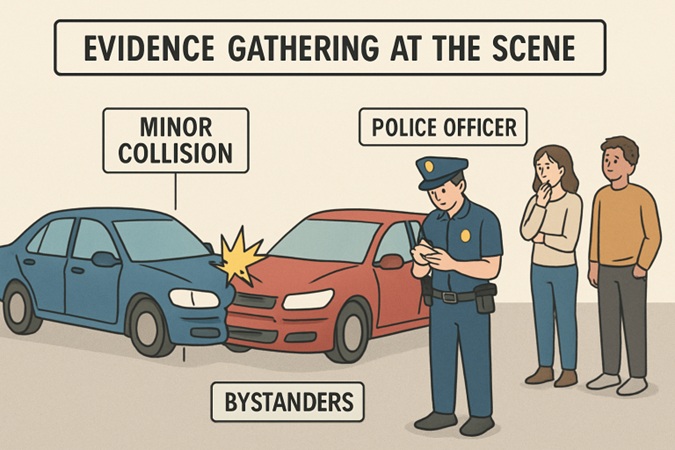
Promptly collecting and preserving evidence following a car accident is fundamental to ensuring an objective evaluation of fault. The main types of evidence include:
- Police Reports: Police officers respond to accident scenes, document their observations, interview involved parties, and note relevant environmental or traffic conditions. These reports provide a neutral assessment that is widely used in both insurance and legal determinations.
- Eyewitness Testimonies: Neutral third parties offer valuable, unbiased insight into the sequence of events and who may be responsible. Their statements often help fill in gaps and clarify discrepancies.
- Photographic Evidence: Photos of vehicle positions, new damage, skid marks, road signs, and visibility conditions provide indisputable visual records of the incident.
Additional evidence may come from security cameras, dash cams, or other digital sources, which could support or dispute claims made at the scene. Experts encourage the comprehensive collection of all available documentation, from accident diagrams to witness contact details, to ensure clarity and minimize future disputes.
Role Of Insurance Companies
Once evidence is assembled, the process of assigning fault typically shifts to insurance adjusters. In states like New Jersey, insurance providers use rules such as comparative negligence to determine financial liability. Agents assess all available information and determine the extent to which each driver contributed to the accident. For instance, if one driver is found to be 70 percent at fault, their insurer pays that proportion of any damages, while the other insurer is responsible for the remaining 30 percent. This nuanced approach means responsibility can be shared, which can affect claim payouts and who may seek additional compensation in court.
State-Specific Regulations
Each state establishes its own framework for handling accident claims, so where the accident happens plays a determining role:
- No-Fault States: Drivers file claims with their own insurance providers, no matter who is at fault. This system is designed to speed up compensation and ease court burdens, but it also means fault may still be determined for serious cases where lawsuits are permitted.
- Tort States: In other states, the party deemed at fault (and their insurance) must pay for all damages. Here, a careful assignment of blame is vital for both immediate payouts and any subsequent legal action.
Comparative Negligence
Many U.S. states permit a proportional, or “shared fault,” approach known as comparative negligence. Under this framework, each party is assigned a percentage of blame. A driver found to be 60 percent responsible would be entitled to recover only 40 percent of their losses from the other party. This rule encourages thorough investigation and honest reporting, as all involved may share some liability. Some states use a threshold (for example, 50 percent) above which a driver cannot recover damages.
Legal Implications
Establishing fault has effects far beyond who pays a car repair bill. Being found at fault may expose you to lawsuits from injured parties, raise your insurance rates, and, in some severe incidents, lead to criminal prosecution. Understanding the determination process allows drivers to act appropriately and seek professional help when facing complex or disputed claims.
Steps To Take After An Accident
- Document the Scene: Photograph everything, note details such as the weather and street names, and gather information from everyone involved.
- Get a Police Report: Cooperate with officers and ensure you receive a copy for your records.
- Contact Your Insurer: Notify your insurance company promptly and share all evidence collected at the scene.
- Seek Legal Advice: Especially if the case is complicated or an injury is involved, speaking with a personal injury attorney can clarify your rights and responsibilities.
Conclusion
The process of determining fault in an accident is rooted in the careful review of evidence, insurance company procedures, and state laws. Acting quickly and knowledgeably in gathering evidence and understanding your local laws, such as those enforced in Tennessee or surrounding states, can ensure the financial and legal outcomes are handled fairly. In all cases, arming yourself with knowledge and reliable professional guidance protects your interests throughout the claims process.