Key Takeaways:
- Early dental check-ups and screenings catch small problems before they become serious.
- Oral hygiene has far-reaching effects on total body health.
- Preventive care helps avoid costly treatments and dental emergencies.
Maintaining good oral health should be seen as an essential component of your overall well-being, not just a pathway to a brighter smile. Routine preventive dental care is fundamental in keeping teeth and gums strong, warding off potential diseases, and supporting your holistic health. Establishing a habit of visiting your dentist for proactive check-ups and procedures is a straightforward—yet often overlooked—approach to maintaining wellness. For those seeking dedicated dental care and guidance, South Rock Dental offers personalized preventive services to help protect your oral—and overall—health.
Preventive dentistry isn’t just about avoiding cavities; it’s about investing in a healthier, more confident future. When your oral health is prioritized, you’re less likely to face extensive treatments and complications. It can also mean a reduced risk of certain systemic diseases, as oral infections may impact other parts of the body. Knowing how to maintain your daily oral hygiene, with professional support, can make all the difference for your well-being.
Early Detection Of Dental Issues
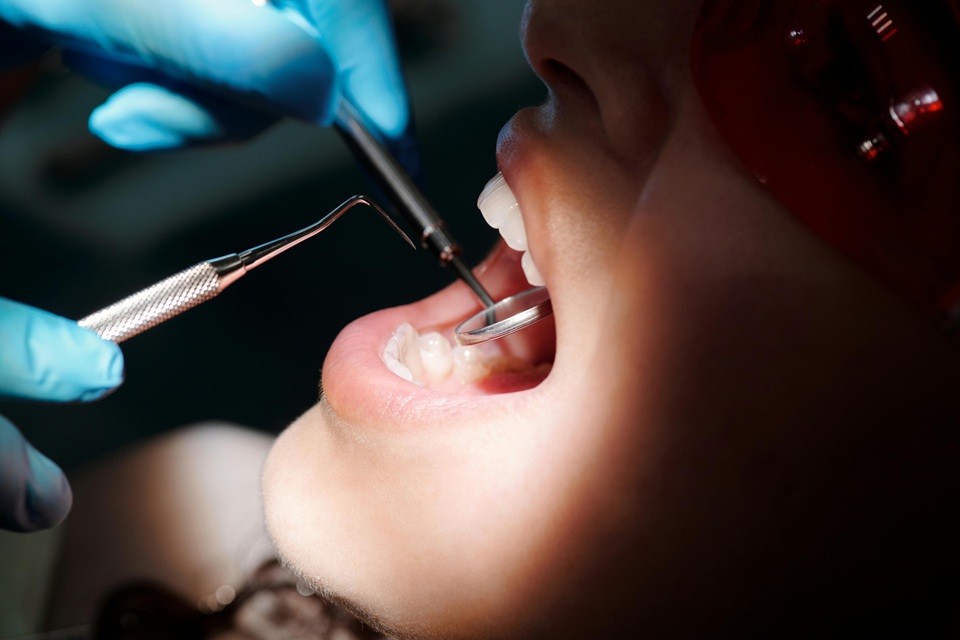
Consistently scheduling dental check-ups is essential for the early identification of problems such as cavities, enamel erosion, and gum disease. Early detection means any developing issues can be treated promptly, often through less invasive methods. For example, a small cavity can often be addressed by a simple filling, while undetected dental decay may require root canal treatments or extractions down the line. Having a dental health professional monitor your oral health helps you maintain your natural teeth longer, minimizing discomfort and inconvenience.
Connection Between Oral Health & Overall Health
There’s a well-documented link between oral health and overall health. Bacteria from untreated gum disease can enter your bloodstream, contributing to heart conditions, respiratory illnesses, and even complications of diabetes. The American Heart Association highlights that chronic gum inflammation can be connected to some chronic diseases, including heart diseases like coronary artery disease. Practicing preventive dentistry is a proactive step toward lowering your risk of serious health concerns by controlling oral infections and maintaining a healthy mouth.
Cost Savings Through Preventive Care
Investing your time and resources in preventive dental care is one of the most effective ways to avoid hefty treatment bills in the future. Regular cleanings, fluoride treatments, and early interventions help you sidestep more dramatic (and more expensive) procedures such as crowns, root canals, or tooth replacements. According to the Centers for Disease Control and Prevention (CDC), preventive dental care could save individuals and health systems millions of dollars annually by reducing the need for emergency and restorative dental care.
Importance Of Regular Dental Visits
Most dental professionals recommend visiting the dentist at least twice a year, though some individuals may need a personalized schedule based on their oral health needs. During these visits, patients benefit from professional cleanings that effectively remove plaque and tartar buildup, services that are hard to replicate at home. Dentists can also assess your risk factors for future problems and closely track your oral development to address concerns before they escalate. For practical guidance on how often to schedule checkups, WebMD provides a helpful overview of dental visit frequency. Additionally, the American Dental Association offers up-to-date, evidence-based recommendations to help you maintain optimal oral health.
Role Of Dental Insurance In Preventive Care
Access to dental insurance is often a significant driver in the uptake of preventive dental care. Coverage for routine exams and cleanings removes financial barriers to care, making it easier for individuals and families to stick to a preventive plan. Studies show that those with dental insurance are much more likely to schedule regular dental appointments and seek early intervention for minor issues, which results in better oral health outcomes and fewer emergency procedures over time.
Simple Habits For Better Dental Health
Daily rituals, when done consistently, can dramatically improve your oral hygiene. Brushing at least twice daily with a soft-bristle toothbrush and fluoride toothpaste removes food particles and bacteria before they cause harm. Flossing once a day helps clean areas your toothbrush can’t reach—particularly between your teeth. Reducing intake of sugary and acidic foods lowers your risk of enamel erosion, while using an alcohol-free mouthwash can help reduce the presence of harmful bacteria. These habits, in combination with professional care, create a strong foundation for lifelong oral health.
Impact Of Oral Health On Mental Well-being
Beyond physical health, a healthy mouth plays a deep role in boosting psychological well-being. Having a confident, pain-free smile enhances self-esteem and enables more positive social interactions. On the other hand, chronic dental issues or visible oral concerns can lead to embarrassment, social withdrawal, or even anxiety and depression. By investing in preventive care, you support both your physical and mental health, ensuring you feel your best inside and out.
Conclusion
Prioritizing preventive dental care isn’t just about keeping your teeth clean—it’s a proven way to preserve your long-term health and overall quality of life. Through regular professional check-ups, healthy daily habits, and access to supportive dental insurance, you can avoid major dental issues, save on future costs, and enjoy a more confident, healthier existence. Actively protecting your oral health with preventive strategies is a vital step towards a brighter, more comfortable future.