
In today’s rapidly evolving marketplace, delivering an exceptional customer experience is no longer optional. Companies striving to stand out are turning to proactive customer experience (CX) strategies, anticipating customer needs and resolving potential issues long before they become problems. By prioritizing proactive measures, businesses not only delight their customers but also forge stronger loyalty and achieve sustainable growth. For organizations seeking expert guidance on their approach, https://www.materialplus.io/services/customer-experience-consulting offers professional consulting services tailored to modern CX expectations. Unlike reactive customer service models that wait to address concerns until after they happen, proactive CX empowers businesses to provide seamless journeys from the start. This approach involves carefully studying customer behaviors, using real-time data, and implementing smart technologies to stay ahead of customer demands. Successfully anticipating and meeting customer expectations builds trust and positions companies as leaders in their industries. The value of proactive strategies is evident across multiple sectors.
Proactive CX not only prevents possible dissatisfaction but also adds measurable value to brand reputation and future growth opportunities. From personalized communication to predictive support, organizations can substantially improve their offerings and minimize the risk of negative customer experiences. Businesses investing in these forward-thinking initiatives also gain a competitive edge. Customers are more likely to stay loyal and recommend brands that show foresight and a genuine commitment to satisfaction. As digital transformation reshapes customer expectations, adopting proactive tactics is crucial for maintaining relevance and achieving long-term success.
Understanding Proactive Customer Experience
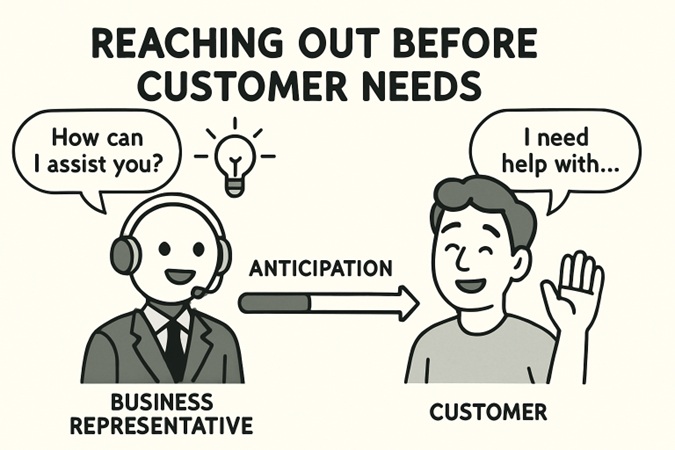
Proactive customer experience focuses on anticipating the wants and needs of customers even before issues arise. Rather than simply reacting to complaints or queries, companies implementing this strategy invest in understanding the full customer journey. By utilizing predictive models and behavioral data, forward-thinking organizations identify triggers for dissatisfaction, address concerns at early stages, and offer real-time assistance or relevant information.
Benefits Of Proactive CX Strategies
There are substantial benefits to adopting proactive CX strategies:
- Increased Customer Satisfaction: By resolving concerns before they develop into problems, businesses provide seamless experiences that customers appreciate.
- Enhanced Customer Loyalty: Customers feel valued when brands anticipate their needs, encouraging repeat business and loyalty over time.
- Business Growth: Satisfied and loyal customers contribute to positive word-of-mouth and foster strong brand advocacy, fueling growth.
According to Harvard Business Review, companies that prioritize customer experiences outperform their competitors significantly in both sales and margin growth.
Implementing Proactive CX Strategies
Successful implementation of proactive CX depends on several actionable steps:
- Collect and Analyze Customer Data: Use feedback forms, customer surveys, and analytics to understand behaviors and preferences, allowing identification of recurring pain points.
- Train Staff: Ensure your employees are equipped to recognize early warning signs and empowered to resolve issues proactively, building confidence and consistency across teams.
- Develop Personalized Communication: Tailor your messaging based on customer segments and histories, delivering timely offers and solutions relevant to each individual’s journey.
Leveraging Technology For Proactive Engagement
Technology plays a pivotal role in advancing proactive customer experiences:
- AI and Automation: Artificial intelligence tools can predict customer behavior and automate engagement, such as sending reminders, personalized offers, or targeted alerts before issues occur.
- Customer Relationship Management (CRM) Systems: Robust CRM solutions organize historical data and track interactions, helping companies prioritize proactive outreach based on real-time insights.
Leading organizations also adopt chatbots and self-service portals to efficiently guide customers, reducing friction while scaling proactive support. More IT and business leaders are exploring advanced solutions to ensure customers feel valued at every stage of their journey, as discussed by Forbes.
Real-World Examples Of Proactive CX
Many companies have seen measurable improvements after implementing proactive CX initiatives. For instance, organizations using these practices have noticed an average 12.4 percent rise in customer satisfaction, nearly 10 percent higher retention rates, and significant reductions in complaints. A telecom company, for example, adopted AI-driven alerts to notify customers about potential service disruptions before they noticed any issues, which resulted in a visible decline in inbound support calls and higher satisfaction ratings. These results demonstrate how taking initiative pays off in customer perception and operational efficiency.
Measuring The Impact Of Proactive CX
Assessing the success of proactive strategies involves quantitative and qualitative approaches:
- Monitor Key Performance Indicators (KPIs): Track satisfaction scores, Net Promoter Scores (NPS), and retention rates regularly.
- Gather Customer Feedback: Collect open-ended feedback directly after proactive interventions to assess the perceived value.
- Analyze Business Outcomes: Measure correlations between proactive touchpoints and improvements in revenue, churn reduction, and referral rates.
Challenges & Considerations
While the benefits are compelling, businesses can face obstacles when adopting proactive CX strategies:
- Data Privacy Concerns: Companies must navigate regulations and ensure transparent, ethical management of customer information.
- Resource Allocation: Balancing investments in tools and talent needed for proactive efforts with other operational priorities can be challenging.
- Technology Integration: Incorporating new platforms may require changes to legacy systems and careful change management.
Overcoming these challenges requires both a strategic vision and buy-in across all levels of the organization. Leadership support and cross-departmental collaboration help to create the foundation for a customer-centric culture.
Conclusion
Proactive customer experience strategies are integral for any organization determined to excel in a customer-first world. By harnessing technology, empowering staff, and prioritizing the anticipation of needs, proactive approaches transform the way brands engage, satisfy, and retain customers. As businesses continue to adapt to rising expectations, those investing in proactive CX will be best positioned for sustainable success and enduring customer loyalty.